Recovery after a spinal fracture operation depends on the injury, the procedure, neurological function and the restrictions your surgical team gives you. Use the timeline, daily-care instructions, rehabilitation steps and warning signs below to judge whether your recovery plan is specific enough and whether a specialist is suitable for your case.
Key takeaways
- Follow restrictions on lifting, bending and twisting after discharge.
- Take prescribed medicines on schedule and attend physiotherapy reviews.
- Expect gradual soreness, but seek urgent help for new weakness or bladder changes.
- Choose a specialist who reviews imaging, nerve function and your recovery plan.
What recovery looks like after each type of spine fracture treatment
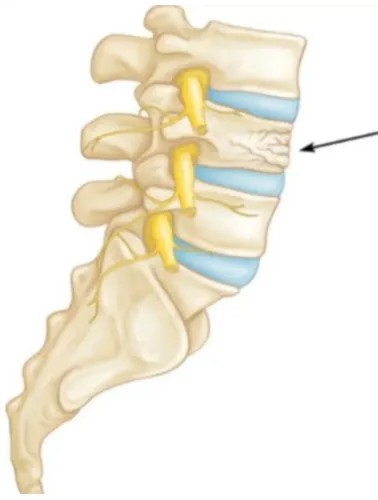
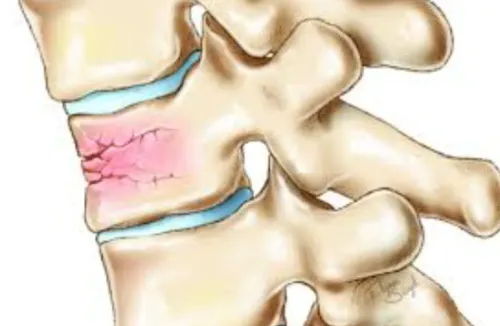
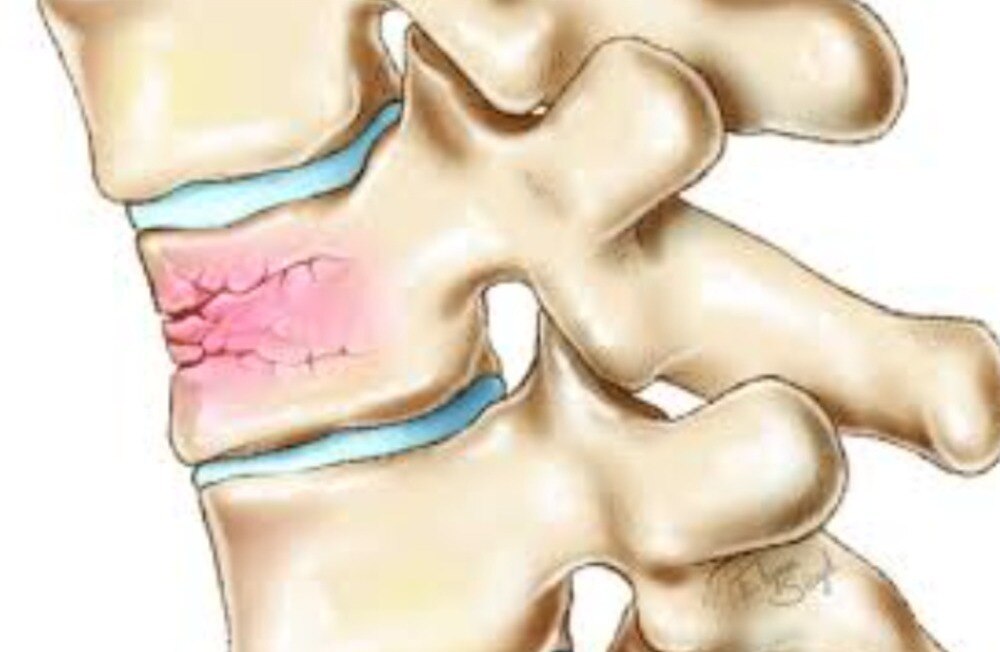
Fracture correction recovery follows the injury, treatment and neurological findings—not pain alone. A stable fracture without spinal-cord or nerve-root damage often progresses faster than one causing weakness, numbness or bladder and bowel problems.
Spine surgery aftercare still requires review of wound healing, limb strength and sensation, walking, daily tasks, alignment and hardware position when imaging is ordered.
| Treatment | Early recovery | Later focus |
|---|---|---|
| Spinal fixation | Protects an unstable fracture; walking depends on strength and restrictions | Alignment, hardware and bone healing |
| Decompression | Relieves pressure on the cord or nerve roots | Recovery of strength, sensation and bladder or bowel function |
| Fusion | Joins vertebrae and requires bone healing | Gradual strengthening; imaging may check fusion |
| Vertebroplasty or kyphoplasty | Often reduces pain from a compressed vertebra | Walking and osteoporosis management |
| Nonoperative treatment | Brace, activity limits and monitoring protect a stable fracture | Repeat assessment confirms healing and alignment |
1. From discharge through two weeks, prioritise wound care, prescribed walking and safe bathing, dressing, transfers and stairs. During weeks three to six, clinicians assess walking distance, strength, sensation and daily activities such as dressing and sitting. Later rehabilitation may add balance, flexibility, gait and trunk strengthening.
2. A brace is not automatic. Fracture stability, fixation, bone quality and the surgeon’s protocol determine its use; do not stop, extend or buy one independently.
3. Follow-up imaging answers a specific question: radiographs assess alignment, CT can assess bone or hardware, and MRI evaluates cord, nerves or residual compression. Do not obtain repeated scans without clinical review.
How to protect your spine at home after discharge
Keep the incision clean and dry, change dressings exactly as instructed, and do not soak in a bath or pool until the surgical team clears it. Shower only when permitted; avoid scrubbing the wound, and report drainage, spreading redness or wound separation.
Sleep in the position your discharge team recommends. To rise, bend your knees, log-roll onto your side, lower your legs, and push up with your arms while keeping your trunk aligned. Use a stable chair with armrests. Take short, frequent walks instead of staying in bed, and use the handrail on stairs.
Follow written limits for sitting, lifting, bending and twisting.
| Procedure | Main home precaution |
|---|---|
| Cervical | Limit neck movement as instructed; report new arm pain, numbness or weakness. |
| Thoracic | Avoid unapproved trunk rotation; stop if movement worsens breathing discomfort. |
| Lumbar | Protect against bending, lifting and prolonged sitting. |
No universal lifting weight or driving date is safe: the operation, neurological status, medicines and surgeon’s restrictions determine both. Do not drive while taking opioid pain medicine, while movement is restricted, or until you can turn, check traffic and brake hard without pain or weakness.
- Avoid smoking, vaping and nicotine products; nicotine can delay bone healing and raise failed-fusion risk. Ask about approved cessation support.
- Before travel, work or household tasks, ask: How far may I walk? What weight and trunk movements are allowed? When may I shower, climb stairs, sit, drive and return to work? Who answers urgent questions after hours?
How medicines and physiotherapy support safe progress
Take pain medicine exactly as prescribed, including dose, timing and maximum daily amount. Opioids can impair breathing, balance, judgment and driving, so do not combine them with alcohol, sleeping tablets or other unapproved sedatives. Plan for constipation with fluids, short walks, fibre-rich foods and a prescribed laxative when appropriate.
Muscle spasms can occur during fracture correction recovery, but progressively worsening pain during or after exercise is a reason to stop and contact the surgical team, not push through it.
After fusion or fracture surgery, ask before taking ibuprofen, naproxen, diclofenac or any supplement; bone-healing, kidney, stomach and bleeding risks depend on the drug, dose, duration and procedure.
Physiotherapy in spine surgery aftercare progresses in stages:
- Learn log-rolling, bed mobility and transfers within the surgeon’s restrictions. Add breathing exercises when advised, ankle pumps and short supervised walks.
- Practise posture and gait, increasing walking distance and frequency rather than speed. Longer bed rest increases deconditioning, constipation, pressure-injury and clot risks.
- Add balance work, limb and trunk strengthening, and flexibility when healing and neurological status allow.
- Use occupational therapy for dressing, bathing, work tasks or home adaptations when daily activities remain difficult.
The therapist must account for osteoporosis, weakness or numbness, pain, and the operation’s bending, lifting and twisting limits. Stop and report pain that steadily escalates, rather than settles, after therapy.
Which symptoms are expected and which need urgent action
Expected soreness, stiffness, bruising around the incision, incision tenderness and mild numbness can occur during spine surgery aftercare. These symptoms should gradually improve; numbness that spreads, new weakness or worsening pain is not routine fracture correction recovery.
| Category | What you may notice | What to do |
|---|---|---|
| Expected | Soreness, stiffness, bruising, incision tenderness or temporary numbness that is stable or improving | Follow the discharge plan and monitor the trend |
| Contact the surgical team the same day | Pain that increases instead of improving; new or spreading numbness; changed walking; vomiting that prevents medicines; fever; increasing wound redness, warmth or swelling; drainage; wound separation; or a brace causing skin injury or breathing difficulty | Do not wait for a routine appointment. These signs can indicate infection, nerve compression, hardware trouble or recurrent fracture displacement |
| Emergency action | New or worsening limb weakness; loss of bladder or bowel control; saddle-area numbness; sudden severe back pain after a fall; chest pain; severe breathlessness; fainting; or coughing blood | Call emergency services immediately |
One-sided calf swelling or pain needs urgent assessment for deep-vein thrombosis, especially with breathlessness or chest pain. Severe headache needs prompt medical advice after a spinal procedure, particularly with clear, fluid-like wound drainage. Do not wait for scheduled review when neurological function or breathing changes.
How to choose a spine trauma specialist for recovery after surgery
The best spine trauma and fracture correction specialist for recovery after surgery is the one whose training, hospital support and follow-up plan match your injury—not the doctor with the strongest ranking claim.
For a spine trauma specialist in Pimpri Chinchwad, verify current medical registration and neurosurgical or orthopaedic spine training, then ask about direct experience with traumatic spinal fractures.
| Doctor or hospital check | What to verify | Why it matters |
|---|---|---|
| Training | Neurosurgical or orthopaedic spine qualification | Fractures can involve bone, spinal cord and nerve roots |
| Trauma experience | Recent treatment of injuries like yours | Stable fractures and unstable fractures require different decisions |
| Hospital capability | Emergency imaging, anaesthesia, intensive care, operating facilities and postoperative physiotherapy | A complication may need immediate treatment, not a delayed referral |
Ask who reviews new weakness, numbness or walking changes after discharge and whether a 24-hour urgent contact exists. Request written limits for lifting, bending, twisting, driving and brace use, plus the follow-up date and imaging plan.
Radiographs, CT or MRI may assess alignment, fusion, hardware or residual compression; do not order repeated scans without a clinical question.
Also ask how osteoporosis, smoking or nicotine, anticoagulants, diabetes and associated injuries could alter healing. Dr Dilip Kiyawat can help discuss these factors, operative choices, discharge instructions and rehabilitation when complex spine, trauma or neurological assessment is needed. Hospital access and a precise aftercare plan matter more than a promise of identical recovery.
Frequently asked questions
What does recovery look like after spine fracture treatment?
Recovery depends on fracture stability, the treatment used and neurological findings. Non-operative care, vertebral augmentation, decompression and fixation each require different activity limits and follow-up plans.
How can I protect my spine at home after discharge?
Use the walking and lifting limits in your discharge instructions, avoid bending and twisting, keep the wound clean and arrange help with bathing, stairs and heavy household tasks.
How do medicines and physiotherapy support spine surgery recovery?
Take prescribed pain relief and other medicines exactly as directed, report troublesome side effects and progress through physiotherapy exercises without forcing painful movements.
Which symptoms need urgent action after spine fracture surgery?
Contact your surgical team urgently for new or worsening leg weakness, spreading numbness, loss of bladder or bowel control, fever with wound redness or drainage, severe wound swelling or rapidly increasing pain.