
Spine surgery is not justified by an MRI report alone: the diagnosis, symptoms, examination findings, and effect on daily function must point to the same problem. By the end, you will know which warning signs need urgent assessment, when non-surgical treatment has genuinely failed, and what to ask before agreeing to an operation.
Key takeaways
- Seek emergency care for bladder loss, saddle numbness, or rapidly worsening weakness.
- Compare your symptoms, neurological examination, and MRI before choosing surgery.
- Try medicines, physiotherapy, or injections when symptoms improve without progressive nerve damage.
- Confirm the diagnosis, procedure, risks, recovery, and alternatives before elective surgery.
When spine symptoms need emergency, urgent, or planned surgery
New urinary retention, loss of bladder or bowel control, numbness around the saddle area, rapidly worsening leg or arm weakness, or inability to walk requires immediate hospital assessment. These signs suggest cauda equina or spinal cord compression; do not wait for a routine appointment. You need urgent MRI and specialist surgical assessment.
| Timing | Symptoms or findings | What to do |
|---|---|---|
| Emergency | New bladder or bowel dysfunction, saddle numbness, rapidly progressing weakness, inability to walk, or signs of spinal cord compression such as worsening hand clumsiness and balance loss | Go to hospital immediately for examination, MRI, and surgical review |
| Urgent | New or worsening weakness, severe loss of sensation, suspected fracture after injury, or back pain with fever, cancer history, or unexplained weight loss | Arrange same-day or rapid specialist assessment |
| Planned | Persistent sciatica, arm pain, walking-limited spinal stenosis, or mechanical instability without rapid neurological decline | Book a detailed consultation after appropriate non-surgical treatment |
The timing depends on examination findings, not pain intensity alone. When spine surgery is needed, the MRI must show a problem that matches your symptoms and neurological deficits; a disc bulge or narrowed canal by itself is not enough.
Bring the actual MRI or CT images, not only the report, because surgery becomes a planned decision when symptoms remain limiting despite suitable treatment and no emergency deficit is present.
When surgery helps more than treatment without an operation
Surgery offers a clearer benefit when a defined spinal problem compresses a nerve or spinal cord, causes instability, or threatens structural damage—and the symptoms match the examination and imaging. An MRI finding alone is not enough: disc bulges, stenosis, and degeneration are common in people without pain.
Progressive weakness or loss of hand dexterity matters more than pain intensity.
| Condition | Why surgery can help | Result to expect |
|---|---|---|
| Lumbar disc herniation with sciatica | Removes pressure from the affected nerve | Leg pain often improves more reliably than isolated low-back pain; numbness or weakness may take longer |
| Cervical disc disease with cord compression | Decompresses the spinal cord before damage progresses | Better hand function, balance, or limb symptoms; the main goal can be preventing further decline |
| Lumbar spinal stenosis | Creates space for compressed nerves | Longer walking distance and less leg pain; longstanding nerve damage may not fully reverse |
| Fracture, tumour, or spinal instability | Stabilises the spine and protects nerves or the cord | Improved safety and mechanical stability, with symptom relief depending on the underlying disease |
| Low-back pain without compression or instability | Provides no clear surgical target | Exercise-based rehabilitation and other non-operative care usually offer the better first choice |
Expect surgery to treat the specific mechanism, not every symptom. Persistent back pain after successful nerve decompression is possible, and weakness present for a long time may remain. The recommendation should rest on a matching diagnosis, diagnosis-specific evidence, and a comparison with continued non-surgical care.
How long to try medicines, physiotherapy, and injections first
For uncomplicated sciatica without worsening weakness, a reasonable trial of non-surgical treatment often lasts 6 to 12 weeks. The clock is not the test; failed treatment means persistent leg pain or functional limitation despite following an appropriate plan, not simply having pain on a particular day.
1. Start with prescribed medicines, activity modification, and physiotherapy focused on movement, strength, and function. Record whether you can walk, sleep, work, and perform daily tasks; these changes matter more than a pain score alone.
2. Consider an injection when the diagnosis supports it and pain prevents rehabilitation. Relief that lasts only briefly is not automatically failure, while no meaningful relief after an appropriate injection provides useful information for the next decision.
3. Reassess the diagnosis, examination, and imaging together. A disc bulge, spinal stenosis, or degeneration on MRI does not prove that finding causes your symptoms; many people have these changes without pain.
4. Discuss surgery when substantial symptoms remain after a reasonable trial, the scan matches the affected nerve, and examination supports compression. For a lumbar disc herniation, decompression usually improves leg pain more reliably than isolated low-back pain.
Pain intensity alone does not establish a need for surgery. Nonspecific low-back pain without nerve compression, fracture, infection, deformity, or instability usually has no clear surgical target, so fusion is not a routine first treatment.
Do not wait through a medicine trial for rapidly worsening weakness, loss of hand dexterity, gait deterioration, or spinal-cord symptoms; seek expedited specialist assessment.
How an experienced surgeon matches your symptoms to MRI findings
An operation is justified when your symptoms, neurological examination, and scan identify the same surgically treatable problem. An MRI finding alone is not enough: disc bulges, narrowed joints, and age-related degeneration also appear in people without pain.
A thorough consultation should proceed in this order:
1. Map the symptoms. Record whether pain travels into an arm or leg, which fingers or toes are affected, whether walking causes heaviness relieved by sitting, and whether weakness, numbness, or balance problems are progressing. Decompression helps leg symptoms from stenosis more reliably than isolated low-back pain.
2. Test nerve function. Check muscle power, reflexes, sensation, gait, coordination, and signs of spinal-cord compression. A clear deficit can change observation into a time-sensitive operation.
3. Review the actual images. An experienced spine neurosurgeon compares your symptoms and examination with the MRI or CT images, not just the radiologist’s report. Standing X-rays, flexion-extension views, CT, or contrast MRI can reveal instability, fracture, tumour, infection, or postoperative scar.
4. Match the procedure to the problem. Discectomy removes a compressing disc fragment; decompression creates space for a nerve or cord; fusion stabilises painful instability. If the findings do not match, continued observation or another diagnosis is safer.
For a spine surgery assessment in Pimpri-Chinchwad, Dr Dilip Kiyawat can use this same clinical reasoning. The search phrase “neurosurgeon above 40 years experience when spine surgery for helps” points to experience, but experience never replaces evidence.
Related products
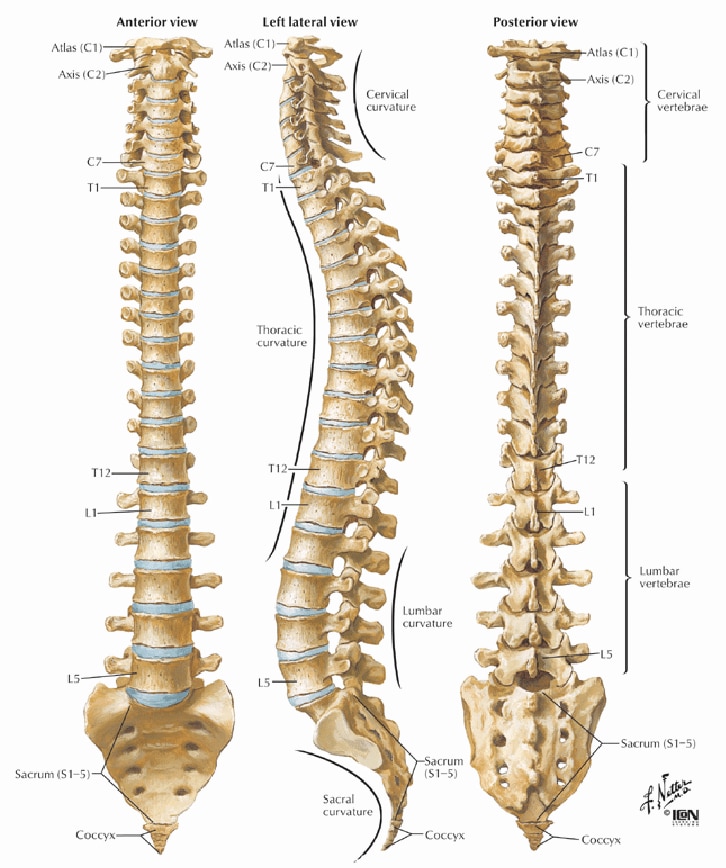 | Spine Surgery Spine Surgeon in Pune Dr. Dilip S. Kiyawat works as Neurosurgeon at Jehangir Hospital, Pune, Maharashtra, India. He completed his M.Ch.(Neuro). View product → |
Brain Surgeon Here are numerous types of brain surgery. The type used is based on the area of the brain and the condition being treated. View product → |
What to confirm before agreeing to elective spine surgery
Before scheduling elective spine surgery, confirm the diagnosis, the specific benefit, the reasonable alternatives, and the recovery demands. An MRI disc bulge, stenosis, or degeneration alone is not a reason to operate; symptoms, examination findings, and imaging must point to the same problem.
| Option | Likely benefit | Main question to settle |
|---|---|---|
| Surgery | Faster relief of pressure-related leg or arm pain, or prevention of worsening neurological loss | What improvement is realistic, and which symptoms may remain? |
| Non-surgical care | Time for symptoms to settle through medicines, physiotherapy, activity changes, or selected injections | What is the safe duration of observation, and what finding would change the plan? |
| Second opinion | Independent review of the diagnosis and proposed procedure | Is it worthwhile because the operation is extensive, the diagnosis is uncertain, or the scan does not match symptoms? |
Ask which operation is proposed and why decompression, discectomy, fusion, or another technique fits your case. Discuss infection, blood clots, nerve injury, dural tear or cerebrospinal-fluid leak, persistent symptoms, recurrent disc herniation, adjacent-level disease, and the possibility of further surgery.
Before consenting, ask:
- How much pain, weakness, walking difficulty, or hand dysfunction should improve?
- How long will hospitalisation, restricted lifting, driving, work absence, and physiotherapy last?
- What warning signs require urgent review after discharge?
- What happens if you choose no surgery now?
A long surgical career can help identify unusual presentations and select among options, but experience alone does not prove that surgery is necessary or that one technique is superior.
Frequently asked questions
When is spine surgery needed urgently?
New urinary retention, loss of bladder or bowel control, saddle-area numbness, rapidly worsening limb weakness, or inability to walk requires immediate hospital assessment, urgent MRI, and specialist surgical review.
When does spine surgery help more than non-surgical treatment?
Surgery is more likely to help when MRI findings match your symptoms and examination, nerve compression causes progressive weakness, or appropriate non-surgical treatment has not relieved disabling pain.
How long should you try medicines, physiotherapy, or injections before surgery?
The timeframe depends on the diagnosis, neurological findings, pain severity, and response to treatment. Progressive weakness or emergency symptoms require earlier surgical assessment rather than waiting.
How does an experienced spine neurosurgeon assess MRI findings?
The surgeon compares the MRI level and type of compression with your pain pattern, numbness, weakness, reflexes, walking ability, and examination. An abnormal MRI alone does not prove that surgery will help.
What should you confirm before elective spine surgery?
Confirm the diagnosis, exact procedure, expected benefit, alternatives, risks, recovery time, rehabilitation plan, warning signs, and what happens if surgery does not relieve symptoms.
Related service
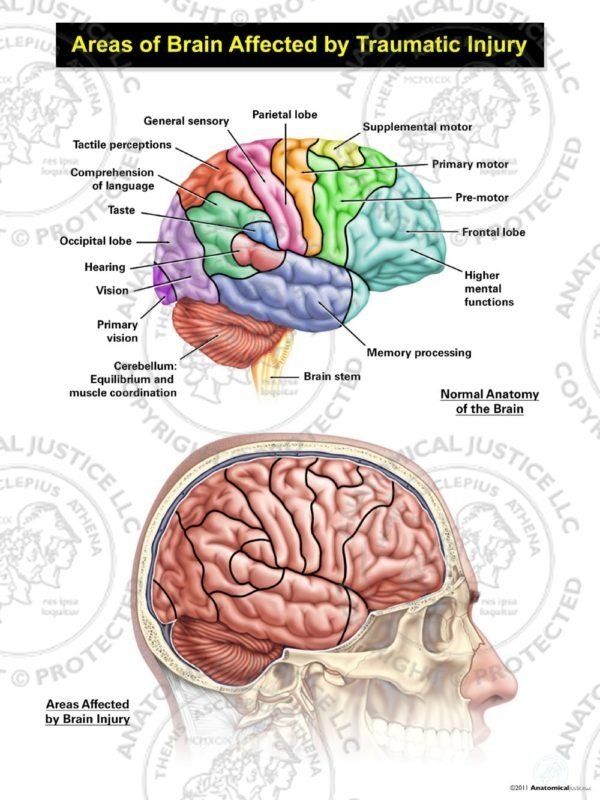 | Treatment of Head injury ₹1200 Management of head injuries 1. Extensive scalp laceration- . The bleeding is controlled by suturing the scalp. . View service → |