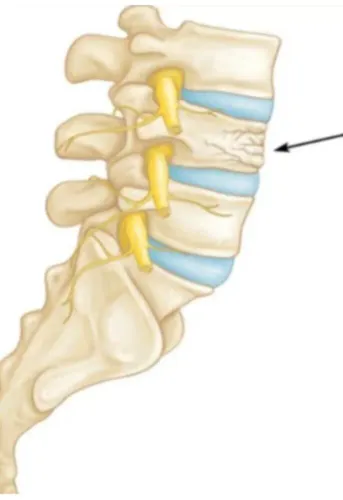
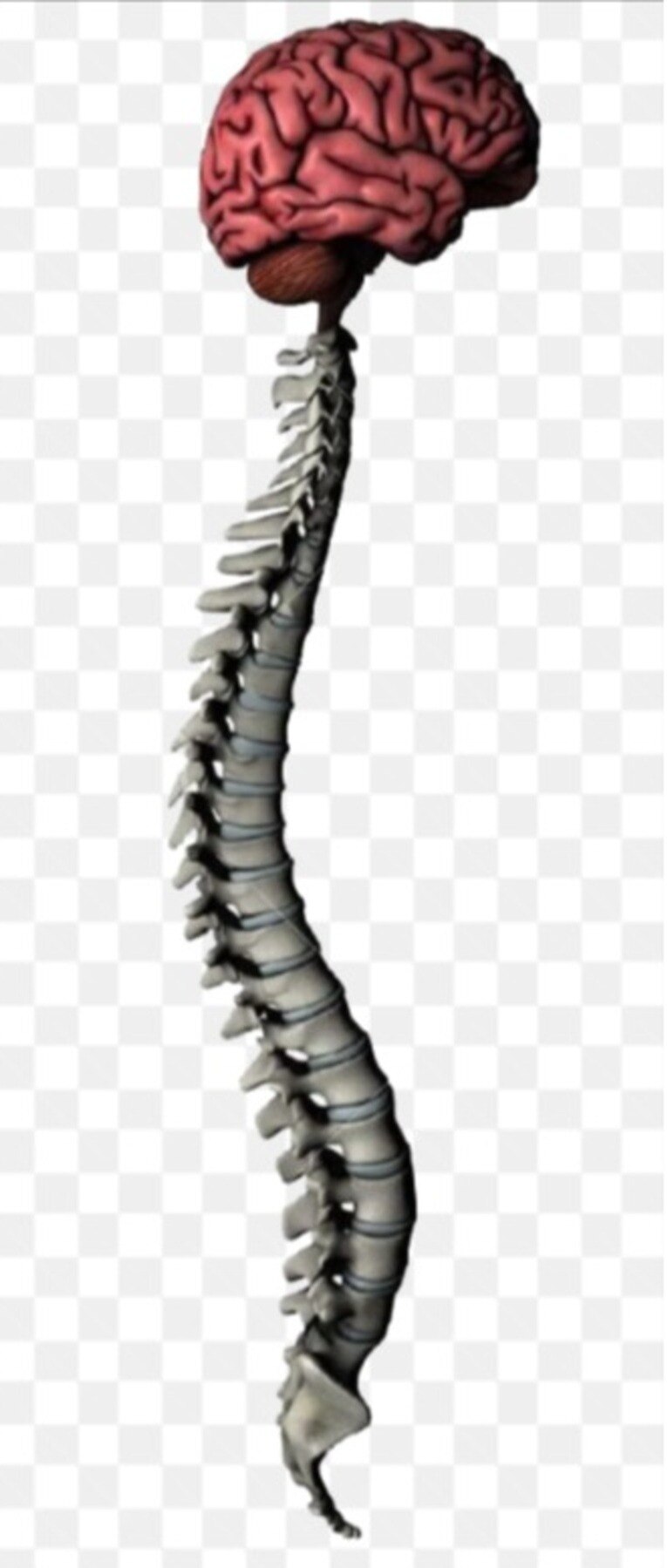
A request for spine surgery should usually begin with a clinical assessment, not an operation date. You will learn how to identify emergencies, choose the right clinician, prepare imaging and medical records, and confirm the hospital pathway before agreeing to surgery.
Key takeaways
- Call emergency services for new paralysis, loss of bladder control, or saddle numbness.
- Choose a spinal neurosurgeon or spine surgeon based on your diagnosed condition.
- Bring MRI or CT images, reports, medicines, and a dated symptom history.
- Confirm the hospital, admission process, costs, and preoperative tests before booking surgery.
Start with the right appointment—and recognise when it is an emergency
A routine spine surgery booking in Pimpri-Chinchwad normally starts with an evaluation appointment, not an operation date. Request a spinal neurosurgeon or orthopaedic spine surgeon when a structural spine problem could require surgery; contact a neurologist when the symptom source is uncertain, or a physiotherapist after emergency signs and surgical indications have been excluded.
When contacting the clinic, provide:
- Your full name, age, and phone number
- Main symptoms and the affected body area, such as the lower back, neck, arm, or leg
- How long the symptoms have lasted
- Any change in walking, balance, hand use, or strength
- Previous treatment, including medicines, injections, and physiotherapy
- Whether MRI, CT, or other imaging is available
Do not wait for a routine appointment if you develop new urinary retention or incontinence, loss of bowel control, numbness in the saddle area, rapidly worsening arm or leg weakness, or inability to walk. Seek immediate emergency assessment. Fever with severe back pain or a spinal injury after major trauma also requires emergency care.
Progressive hand clumsiness, gait imbalance, or suspected spinal-cord compression needs prompt escalation rather than a routine booking. These signs can occur with cervical myelopathy, where delay can allow neurological function to worsen.
Choose the clinician by the problem, not by the nearest listing
Book a spinal neurosurgeon or orthopaedic spine surgeon when symptoms suggest a structural problem and surgery is a possible treatment. Choose based on the clinical question, not simply on a spine surgeon near me search result.
| Option | What this clinician does | When to choose |
|---|---|---|
| Spinal neurosurgeon | Evaluates structural disorders involving the spine, nerves, or spinal cord | Surgery may be appropriate |
| Orthopaedic spine surgeon | Evaluates structural bone, disc, alignment, and spinal conditions | Surgery may be appropriate |
| Neurologist | Assesses neurological disease and symptoms with an uncertain source | Weakness, numbness, tremor, or altered sensation needs diagnosis |
| Physiotherapist | Provides rehabilitation and movement treatment | Emergency signs and surgical indications have been excluded |
| Emergency service | Provides immediate assessment and imaging | New bladder or bowel loss, saddle numbness, rapidly worsening weakness, inability to walk, fever with severe back pain, or major trauma |
Proximity makes a spine surgeon near me convenient, but it does not establish expertise. Check the doctor’s registration and listed postgraduate qualification in the National Medical Commission’s Indian Medical Register. Spine operation specialist is not a sufficiently specific credential.
Compare the proposed operation, hospital access, after-hours emergency cover, and experience with your particular spinal problem. Ask whether the recommendation is decompression, discectomy, fusion, deformity correction, or another procedure. Minimally invasive describes an approach, not proof that surgery is necessary or risk-free.
A neurologist or physiotherapist may be the better first appointment when the diagnosis or treatment pathway remains uncertain.
Prepare for the consultation with images, records, and a clear symptom history
Bring a clear symptom history and every relevant record to your spinal surgery consultation. The clinician will ask when symptoms began, where they spread, and whether you have back or neck pain, radiating pain, weakness, numbness, altered sensation, walking difficulty, reduced hand function, or bladder and bowel changes.
They will also review previous treatment, medicines, and your medical history, then assess strength, sensation, reflexes, walking, and hand movements.
Bring these records:
- MRI or CT images in DICOM format on the original disc, a USB drive, or through portal access
- The radiology report
- Prescriptions and physiotherapy records
- Discharge summaries and blood-test results
- A current medicine list, including anticoagulants and antiplatelet drugs
The report alone is insufficient. The clinician must compare the actual images with your neurological examination and symptoms; an abnormal scan can be unrelated to your pain.
| Test | What it shows | When it applies |
|---|---|---|
| MRI | Discs, nerves, and spinal cord | When soft-tissue or nerve compression needs assessment |
| X-rays | Alignment and movement | When position or instability needs checking |
| CT | Bone detail | When fractures or bony narrowing need clearer views |
| CT myelography | Nerves outlined with contrast | When MRI is unsuitable |
| Electromyography and nerve-conduction testing | Nerve function | When the source of weakness, numbness, or pain needs clarification |
Before an MRI, disclose implants, pacemakers, kidney disease, pregnancy, and claustrophobia. These details affect scan safety, contrast decisions, or how the test is performed.
Understand what must happen before an operation date is offered
An operation date comes only after a surgeon confirms that your symptoms arise from the spine, non-operative treatment has been tried, and the MRI or CT finding matches the examination. For sciatica, decompression is considered when treatment has not improved pain or function and the scan shows corresponding nerve-root compression.
An unrelated MRI abnormality is not a reason to operate. Spinal fusion is not routine treatment for ordinary low-back pain.
Ask which level is responsible, whether the proposal is decompression, discectomy, fusion, deformity correction, or another procedure, which alternatives remain, and what happens if surgery is deferred. The label spine operation specialist does not answer those questions.
| Procedure | Main purpose | Key question |
|---|---|---|
| Decompression | Relieve pressure on a nerve or spinal cord | Which structure is being released? |
| Discectomy | Remove disc material compressing a nerve | Is the disc causing my symptoms? |
| Fusion | Stabilise selected spinal segments | Why is stabilisation necessary? |
| Deformity correction | Correct significant alignment problems | What deformity requires correction? |
| Other operation | Address a different structural problem | What is the specific goal? |
Before consent and scheduling, complete:
- Anaesthesia review and required blood tests.
- Assessment of diabetes, heart or lung disease, allergies, and previous spine operations.
- A smoking discussion; nicotine impairs bone healing, so fusion requires a specific cessation plan.
- Review of anticoagulant and antiplatelet medicines. Do not stop blood thinners yourself; the operating and prescribing clinicians must coordinate that decision.
Confirm the local hospital pathway before booking spine surgery
Confirm these details before paying a surgical deposit or treating a clinic visit as an admission. Spine surgery booking in Pimpri Chinchwad involves a consultation first; the operation date comes only after consent, pre-operative clearance, and hospital availability.
| Clinic appointment | Assessment, examination, imaging review, and discussion of alternatives | Before consent and scheduling |
|---|---|---|
| Equipped hospital admission | Anaesthesia, operation, monitoring, and inpatient recovery | On the confirmed admission date |
Ask the clinic or hospital to record:
- Exact hospital name, full location, and operating surgeon
- Proposed procedure, responsible spinal level, and admission date
- Anaesthesia arrangements, including the anaesthesia review
- Expected inpatient process: admission time, operation, monitoring, mobilisation, discharge criteria, and likely stay
- The clinician providing after-hours care
- The number to call for new weakness, fever, wound drainage, or uncontrolled pain
- Whether surgeon review, wound review, and follow-up appointments are included
A consultation with Dr Dilip Kiyawat is one local route for neurosurgical assessment in Pimpri-Chinchwad. Keep the decision anchored to the examination, actual MRI or CT images, symptom correlation, alternatives, and a workable hospital plan—not a directory label or “minimally invasive” claim.
Before leaving, write down:
- What is the diagnosis?
- What is the goal of surgery?
- What are the material risks?
- What recovery restrictions apply?
- What is the plan if symptoms worsen before surgery?
Related services
 | Spine Surgery Dr. Dilip S. Kiyawat has wide experience in treating spinal disorders. View service → |
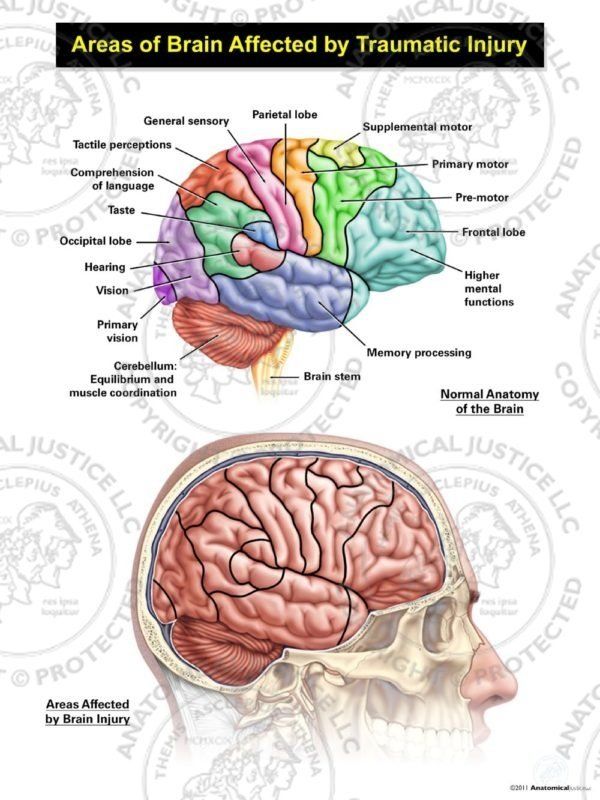 | Treatment of Head injury ₹1200 Management of head injuries 1. Extensive scalp laceration- . The bleeding is controlled by suturing the scalp. . View service → |
Frequently asked questions
When should I seek emergency care instead of booking a spine consultation?
Seek urgent medical care for new paralysis, rapidly worsening weakness, loss of bladder or bowel control, saddle numbness, or severe symptoms after major trauma.
Should I see a spinal neurosurgeon or another clinician?
Request a spinal neurosurgeon or orthopaedic spine surgeon when a structural spine problem could require surgery. Choose a neurologist when the symptom source is uncertain, or a physiotherapist after emergency signs and surgical indications have been excluded.
What should I bring to a spinal surgery consultation?
Bring MRI or CT images and reports, previous treatment records, a current medicine list, relevant medical history, and a dated account of your symptoms.
What happens before a spine operation date is offered?
The clinician reviews your symptoms and imaging, confirms the diagnosis, discusses non-surgical and surgical options, assesses risks, and orders required preoperative tests before recommending an operation.
What should I confirm with the hospital before booking spine surgery?
Confirm the hospital where surgery will occur, surgeon and anaesthesia arrangements, admission timing, required tests, expected stay, follow-up plan, and a written estimate of costs.