
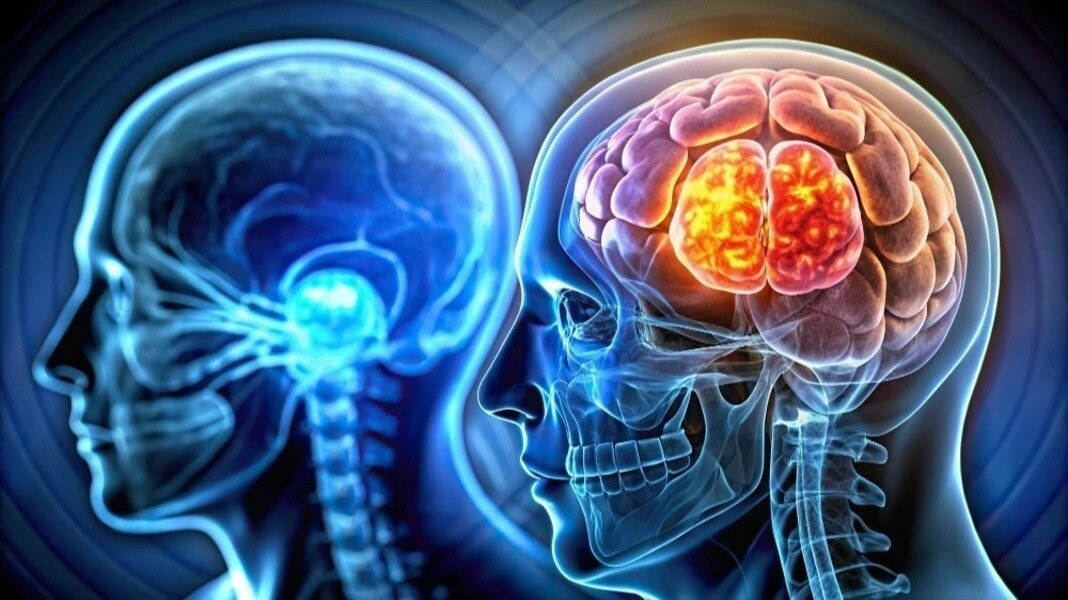
New weakness, confusion, repeated vomiting, a seizure, severe headache, fever, or fluid from the wound can signal a medical emergency after brain-tumour surgery. You will learn how to judge urgency, separate expected recovery from deterioration, prepare for a specialist review, and choose the right level of care in Pune.
Key takeaways
- Seek emergency care for seizures, unconsciousness, or any new neurological deficit.
- Keep discharge papers, scan images, reports, medicines, and operative notes together.
- Compare new symptoms with scan findings, treatment history, and the expected recovery timeline.
- Choose a specialist experienced in revision surgery and complex postoperative brain-tumour care.
Which symptoms after brain-tumour surgery require emergency care?
A seizure, loss of consciousness, or any new neurological deficit after brain-tumour surgery needs emergency care, not a routine appointment. For brain tumor surgeon follow up problems, use the nearest hospital that can assess deterioration immediately; do not wait to reach a preferred consultant.
| Level | Warning signs | Action |
|---|---|---|
| Emergency now | Seizure; loss of consciousness; new weakness or numbness; facial drooping; loss of speech or vision; confusion; increasing drowsiness; repeated vomiting; severe or rapidly worsening headache; fever with neck stiffness; blood or clear fluid from the wound | Call emergency services or go to the nearest suitably equipped hospital |
| Contact the operating hospital today | Milder but worsening headache, vomiting, fever, wound redness, increasing swelling, new imbalance, or symptoms that return after initial improvement | Speak to the surgical team the same day; escalate to emergency care if any emergency sign appears |
| Routine review | Stable fatigue, mild headache, or persistent scalp numbness without deterioration | Raise it at the planned follow-up appointment |
Emergency assessment should not wait for a brain-tumour surgeon because bleeding, brain swelling, hydrocephalus, infection, or seizure-related injury can worsen quickly. The hospital needs urgent CT or MRI, neurosurgical cover, intensive care, and treatment for seizures, bleeding, hydrocephalus, or infection. These are the capabilities needed for brain tumor surgery complications in Pune or anywhere else.
A worsening symptom does not prove tumour recurrence, but it does require the right level of assessment.
How soon can postoperative problems appear, and what is normal recovery?
Problems can appear in the first 24 hours, during the first week, or months later. Fatigue, a mild headache, scalp numbness, and limited swelling can occur during recovery, but worsening is not automatically normal.
1. In the first 24 hours, monitoring focuses on bleeding or haematoma, brain swelling, seizure, stroke, hydrocephalus, medication effects, and new neurological deficits. Increasing headache, vomiting, confusion, weakness, or unusual sleepiness needs immediate assessment.
2. During the first week, infection, cerebrospinal-fluid leak, venous blood clot, seizure, and delayed swelling can emerge. Fever, wound redness, clear drainage, or a symptom that intensifies or returns after initial improvement requires urgent contact with the operating hospital.
3. At later follow-up, residual tumour, recurrence, treatment effects, or a venous clot can explain deterioration. A brain-tumour surgeon follow-up for problems should use examination and appropriate imaging rather than assume either recovery or tumour progression. Suspected brain-tumour surgery complications in Pune require the same urgency as complications elsewhere.
Do not change dexamethasone or antiseizure medicine without medical direction. Abruptly stopping a prolonged dexamethasone course can be unsafe.
Before calling, record:
- The exact onset and progression of each symptom
- Your temperature
- Missed, stopped, or changed medicines
- The duration of any seizure
That information helps the treating team decide whether you need emergency imaging, same-day review, or planned follow-up.
How can a specialist tell a complication from tumour progression?
Worsening symptoms do not prove that a tumour has returned. A specialist combines neurological examination with CT or MRI to identify swelling, bleeding, infection, seizure-related injury, hydrocephalus, medication effects, venous thrombosis, stroke, or cerebrospinal-fluid leakage before considering residual tumour, recurrence, or progression.
The assessment usually checks:
- Whether weakness, speech change, headache, drowsiness, fever, wound changes, or seizures match a treatable postoperative complication.
- Whether urgent CT shows bleeding, hydrocephalus, stroke, or swelling, and whether MRI shows residual enhancing tumour or another injury.
- Whether an early postoperative MRI, commonly obtained within 24–48 hours when clinically feasible, provides a baseline for later comparison.
- Whether new enhancement follows surgery, radiation, medication, or pseudoprogression rather than active tumour.
A single later scan cannot always settle the question. In high-grade glioma, the specialist may compare serial MRI scans with symptom changes, steroid requirements, treatment timing, and the patient’s response over time. Integrated pathology and molecular results also matter, including IDH, 1p/19q, ATRX, TP53, and CDKN2A/B, because they affect tumour classification and treatment decisions.
A second pathology review belongs in the discussion when the clinical course or proposed treatment is unexpected. During a brain tumor surgeon follow up for problems, ask which objective finding supports each diagnosis and what test will distinguish them.
Someone searching for the best brain tumor surgeon for postoperative problems in Pune should seek this structured review rather than assume every new symptom represents recurrence.
What should you take to a second-opinion or revision consultation?
For a planned review, carry the complete record rather than only the latest report. If you are looking for the best brain tumor surgeon for postoperative problems in Pune, bring:
- Operation note and discharge summary
- Preoperative and postoperative MRI or CT images in DICOM format, on a disc or through the hospital imaging portal
- Radiology reports, final histopathology report, and molecular report
- Current medication list, including dexamethasone or another steroid dose and taper, plus antiseizure medicine and dose
- Seizure history, including dates, duration, awareness, and recovery
- A dated symptom timeline showing what changed, when it changed, and whether it is worsening
Radiology reports describe the images but cannot replace them. The consultant needs to compare the actual scans over time, assess residual disease, and distinguish postoperative change from bleeding, swelling, treatment effect, or progression.
| Record | Why it matters | What the consultant can compare |
|---|---|---|
| Preoperative scan | Shows the original lesion | Location, size, and surgical target |
| Early postoperative scan | Establishes the surgical baseline | Residual tumour or early complication |
| Later scans | Shows change over time | Treatment effect, recurrence, or progression |
Ask these questions:
- Is this an emergency?
- What diagnosis is being considered?
- Which scan or test will distinguish the possibilities?
- Has the original pathology been reviewed?
- Is the steroid dose or taper safe?
- What MRI schedule fits this tumour’s type, grade, residual disease, molecular findings, and treatment?
At a brain tumor surgeon follow-up for problems, worsening weakness, confusion, seizures, or repeated vomiting requires emergency contact rather than waiting for the appointment.
How do you choose the right brain-tumour surgeon in Pune for worsening problems?
Choose immediate hospital capability for acute deterioration, and choose a specialist’s method and team for a planned review. Do not delay emergency treatment while searching for the “best brain tumor surgeon for worsening problems after surgery in Pune.”
| Situation | What to choose | Why |
|---|---|---|
| Acute neurological deterioration | Nearest hospital with urgent CT or MRI, neurosurgery, intensive care, seizure treatment, and management of bleeding, hydrocephalus, or infection | A preferred consultant cannot safely replace time-critical care |
| Planned review | Neurosurgeon who examines you, reviews actual scans and pathology, and explains the likely causes | Worsening symptoms do not prove tumour recurrence or surgical failure |
Go to emergency care for a seizure, loss of consciousness, new weakness, confusion, unusual drowsiness, repeated vomiting, severe headache, fever with neck stiffness, or sudden speech or vision loss. These symptoms need assessment now, not a routine appointment with the best brain tumor surgeon postoperative problems in Pune.
For elective assessment of brain tumor surgery complications in Pune, ask whether the surgeon can coordinate neuro-oncology, neuroradiology, neuropathology, radiation oncology, intensive care, rehabilitation, and seizure counselling when needed. Persistent disability may require physiotherapy, occupational therapy, speech and language therapy, neuropsychology, or swallowing assessment alongside surgical follow-up.
Dr Dilip Kiyawat is a Pune and Pimpri-Chinchwad neurosurgical consultation option for assessing worsening postoperative brain or neurological problems. For a planned consultation, take the actual MRI or CT images, pathology reports, medication list, and symptom timeline. If imaging and symptoms disagree, multidisciplinary review matters more than a title or online ranking.
Related items
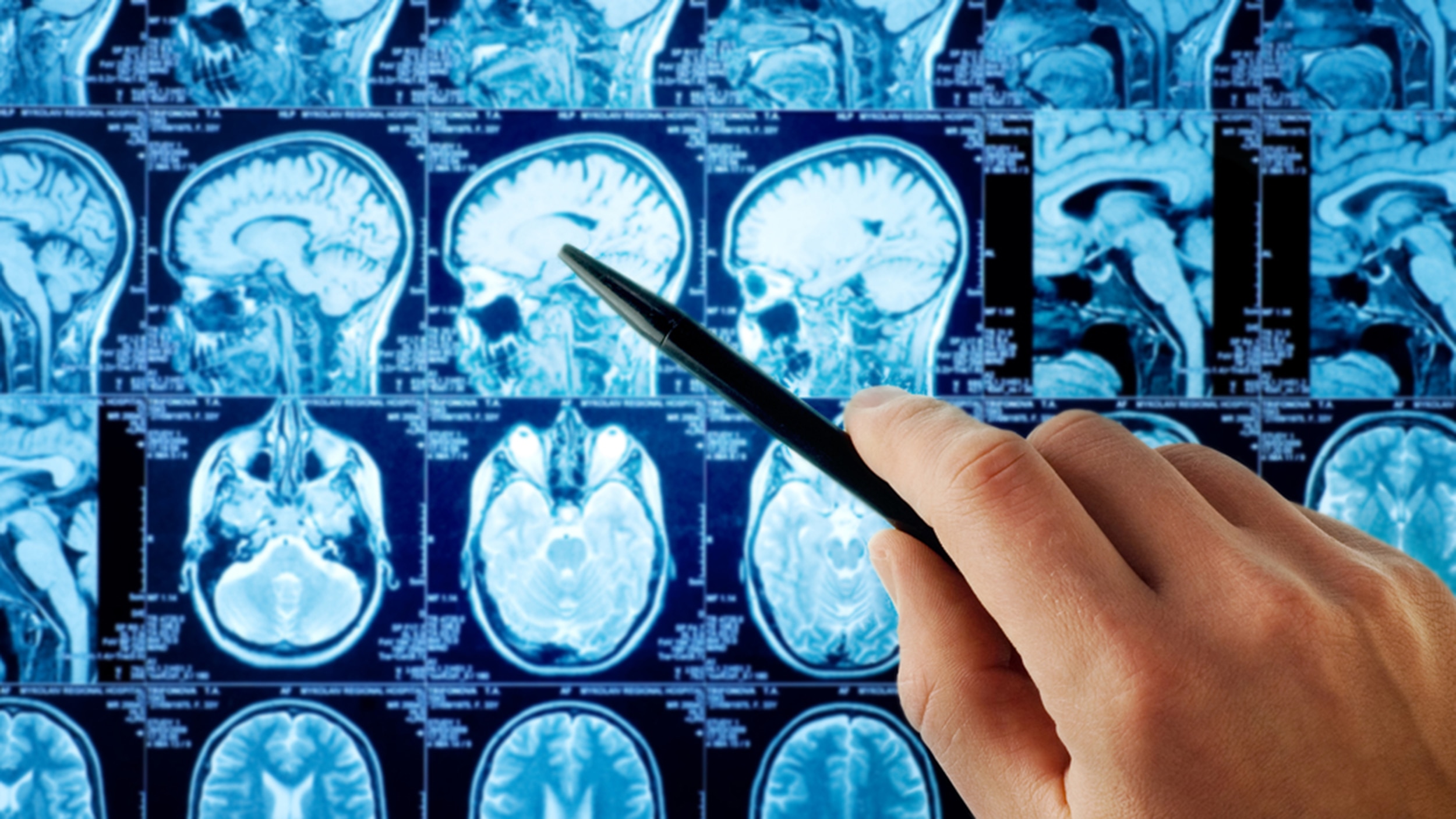 | Brain Surgery ₹1200 Brain tumours are abnormal growths of cells within the brain or the surrounding structures. View service → |
| TUMOR & CANCERS Brain Tumor & Cancer An Cerebral aneurysm or intracranial aneurysm is when the internal walls of the artery through which the blood flows in the brain becomes thin and... |
Frequently asked questions
Which symptoms after brain-tumour surgery require emergency care?
Go to the nearest hospital immediately for a seizure, loss of consciousness, new weakness, facial drooping, speech or vision changes, severe worsening headache, repeated vomiting, confusion, or difficulty waking.
How soon can postoperative problems appear, and what is normal recovery?
Problems can begin during the hospital stay or days and weeks after discharge. Fatigue, incision discomfort, mild headache, and temporary concentration changes can occur during recovery, but worsening symptoms, fever, wound drainage, repeated vomiting, or a new neurological deficit need prompt medical assessment.
How can a specialist tell a complication from tumour progression?
The specialist compares your symptoms and examination with the operation details, earlier scans, new MRI or CT images, medication history, and the timing of change. Swelling, bleeding, infection, seizures, hydrocephalus, treatment effects, and tumour progression require different findings and treatments.
What should you take to a second-opinion or revision consultation?
Take the operation note, discharge summary, pathology report, MRI or CT images in DICOM format, radiology reports, medication list, seizure record, wound photographs, and a dated symptom timeline.
How do you choose the right brain-tumour surgeon in Pune for worsening problems?
Ask about experience with your tumour type, revision surgery, postoperative complications, multidisciplinary review, intensive-care access, and the hospital’s emergency imaging and neurocritical-care facilities. Confirm who will assess you if symptoms worsen after the consultation.
Related service
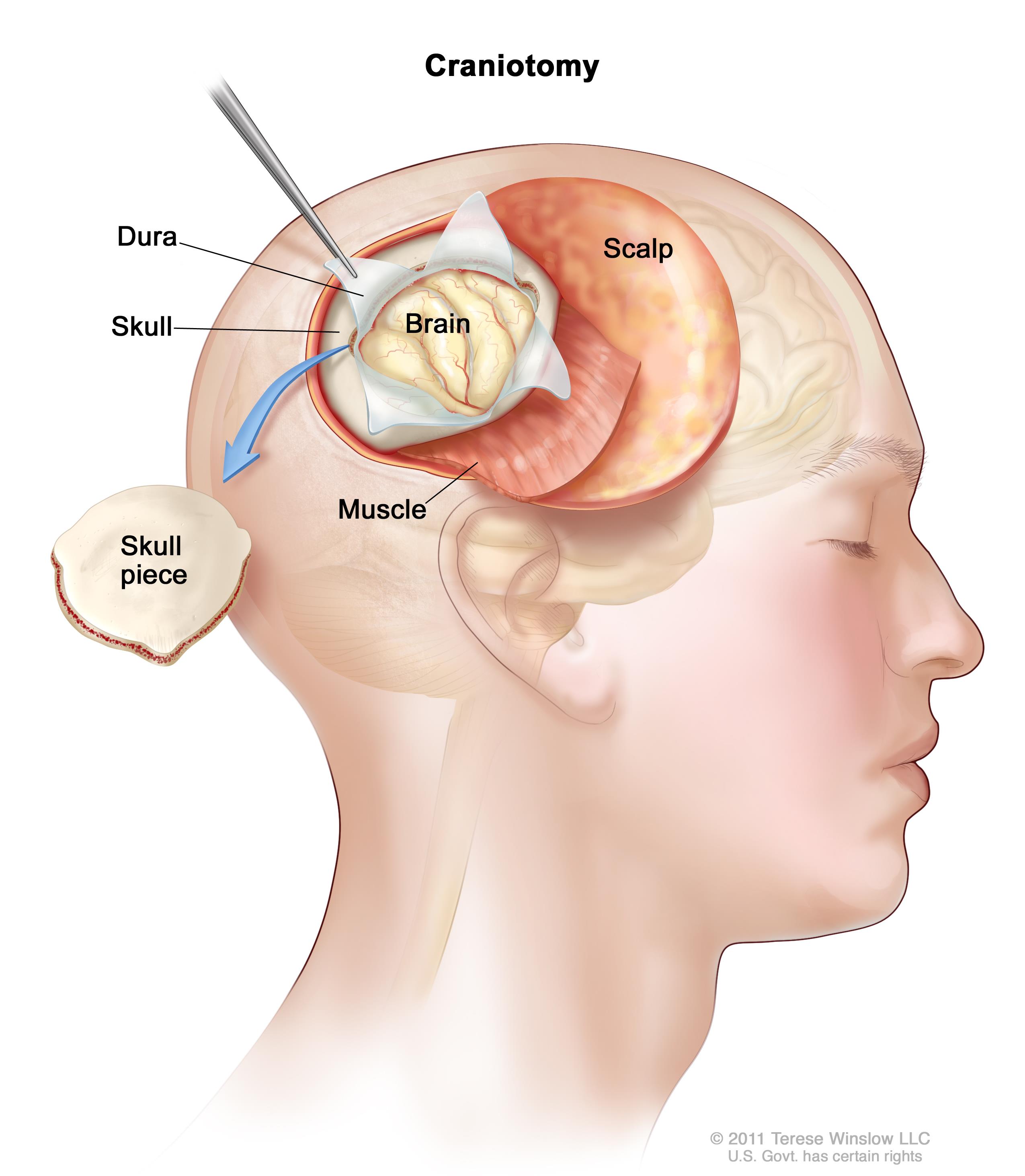 | Types of brain tumours- Primary brain tumors are tumors that originate in the brain itself, as opposed to secondary tumors that spread to the brain... View service → |