

Years in neurosurgery do not, by themselves, show whether a surgeon is the right choice for your proposed spine operation. By the end, you will know how to assess relevant experience, recognise when surgery is appropriate or urgent, prepare for consultation, and compare the risks, alternatives, and follow-up before deciding.
Key takeaways
- Ask about recent experience with your exact operation, spinal level, and surgical approach.
- Bring MRI or CT scans, reports, medication details, and a symptom timeline.
- Ask what the operation treats, what happens without it, and how recovery is planned.
- Seek a second opinion when the recommendation, risks, or follow-up plan remains unclear.
What Does Spine Surgery Experience Actually Mean?
Years in neurosurgery do not prove relevant spine-surgery experience. A well experienced neurosurgeon for spine surgery should have regular, recent experience with the operation being proposed, the affected spinal level, the surgical approach, and patients with your specific condition. Discectomy, decompression, fusion, fracture stabilisation, tumour surgery, and deformity correction involve different risks and recovery demands.
Ask directly about:
- The surgeon’s training, registration, and focus in spinal surgery
- How often they perform the proposed operation
- Their experience with your age group, diagnosis, and spinal level
- The important complications they manage and the follow-up available after discharge
There is no universal case-count number that defines an experienced spine surgeon. A surgeon’s title—whether neurosurgeon or orthopaedic spine surgeon—is not proof by itself; the quality of the explanation matters more.
Your consultation should identify the diagnosis, show how your symptoms match the examination and scans, and explain expected benefit, material risks, alternatives, recovery, and non-surgical options. For uncomplicated low-back pain, that discussion should include exercise-based treatment, physiotherapy, medication, activity changes, or other appropriate care before elective surgery.
Relevant experience also includes recognising emergencies. Tell the clinic immediately about rapidly worsening weakness, new bladder or bowel dysfunction, saddle numbness, or deteriorating walking, because these symptoms can require urgent assessment rather than a routine appointment.
When Does a Spine Problem Need a Surgical Opinion?
A spine problem needs urgent assessment when nerve function is deteriorating, not simply because an MRI shows a disc bulge. Do not wait for a routine appointment if you develop:
- New urinary retention, urine leakage, or loss of bowel control
- Numbness around the groin, buttocks, or inner thighs (saddle numbness)
- Severe or rapidly worsening weakness in an arm or leg
- Rapidly worsening walking difficulty, back pain with fever, or symptoms after significant spinal trauma
Tell the clinic about these symptoms when booking and follow its emergency instructions. New bladder, bowel, or saddle symptoms require emergency assessment for possible cauda equina compression.
A surgical opinion is reasonable when sciatica continues to restrict pain or function despite appropriate medication, activity modification, physiotherapy, or other non-surgical care, and examination and imaging point to the same compressed nerve. An experienced spine surgeon should explain which finding causes your symptoms; an MRI report alone does not establish that surgery will help.
For uncomplicated low-back pain without neurological loss, begin with exercise-based rehabilitation and other non-operative treatment. Manual therapy belongs within a programme that includes exercise, not as a standalone fix. Spinal fusion is not recommended for low-back pain alone outside research settings.
Seek an elective opinion if symptoms persist, weakness appears, or treatment fails, but ask for the examination findings, alternatives, and consequences of waiting.
How Should You Prepare for a Spine Surgery Consultation?
New urinary retention or incontinence, loss of bowel control, numbness around the saddle area, or severe and worsening leg weakness requires emergency assessment. Do not wait for a routine spine surgery consultation in Pune, particularly when these symptoms occur with back pain or sciatica.
For a planned appointment, bring:
- MRI or CT images on the original disc, USB drive, or online viewer, not only the radiology report.
- A written medication list with names, doses, allergies, and blood-thinning medicines.
- Previous consultation notes, physiotherapy records, injection details, blood-test results, and operation reports.
- A dated symptom timeline covering pain, numbness, weakness, balance, walking distance, falls, and changes in bladder or bowel function.
- A short record of treatments tried, including medicines, exercises, rest, injections, and the benefit or side effects from each.
During the consultation, the surgeon should take your history, perform a neurological examination, and match the examination and symptoms to the actual images. Ask which finding is causing your problem, whether non-surgical care remains appropriate, what surgery would change, and what could happen if you defer it.
The discussion should also cover procedure-specific risks such as infection, bleeding, nerve injury, dural tear or cerebrospinal-fluid leak, persistent symptoms, further surgery, recovery, follow-up, and emergency contact arrangements.
Which Operation Is Being Recommended, and Why?
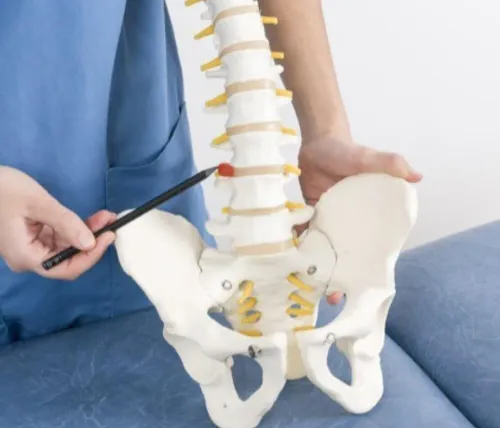
Check the proposed operation against your examination, symptoms, and the actual MRI or CT images—not the radiology report alone. Ask the surgeon to name the affected level, the structure being compressed or damaged, and how that finding explains your pain, weakness, numbness, or loss of function.
| Operation | What it does | Why it may be proposed |
|---|---|---|
| Decompression | Removes bone or ligament pressing on a nerve or spinal cord | Leg or arm weakness, numbness, or walking difficulty from compression |
| Discectomy | Removes the part of a prolapsed disc irritating a nerve | Persistent nerve pain or neurological deficit linked to one disc |
| Fusion | Joins vertebrae with implants to limit movement | Instability, deformity, or selected recurrent compression |
| Stabilisation | Uses screws, rods, or other fixation to support the spine | Fracture, tumour-related weakness, or unstable vertebrae |
Before agreeing, ask for answers you can repeat in your own words:
- What improvement is the operation intended to achieve, and how likely is that improvement?
- What happens if I choose physiotherapy, medication, injection, activity modification, or observation instead?
- Which complications matter for this operation, including nerve injury, infection, blood clots, persistent symptoms, and further surgery?
- How long will I stay in hospital, when can I walk, work, drive, and lift, and what rehabilitation is planned?
- Who provides urgent postoperative review?
A well experienced neurosurgeon in Pune should explain why this specific procedure fits your pathology, not rely on a generic claim of experience. Dr Dilip Kiyawat can be assessed by asking how often he performs the proposed operation for your condition and what follow-up arrangements apply.
When Should You Seek a Second Opinion or Ask About Follow-Up?
A second opinion is sensible before elective surgery, especially for spinal fusion, multilevel procedures, or a recommendation that differs sharply from earlier advice. It is also worthwhile when your symptoms do not clearly match the scan.
Ask the second surgeon to review the actual MRI or CT images and examine you, not simply repeat the radiology report.
| Situation | Why a second opinion helps | What to compare |
|---|---|---|
| Elective decompression or discectomy | Confirms that compression matches your symptoms | Non-surgical options, expected benefit, and recovery |
| Fusion or multilevel surgery | Tests whether the extent of surgery is justified | Stability, levels treated, adjacent-level risk, and alternatives |
| Unclear diagnosis or conflicting advice | Identifies gaps between examination and imaging | Diagnosis, urgency, and the reason for choosing surgery |
Ask these questions before deciding:
- Does the hospital have a qualified anaesthesia team, intensive-care support, blood-management facilities, and emergency imaging?
- Who will review you urgently if weakness, severe pain, fever, wound leakage, or new bladder or bowel symptoms develop after discharge?
- How are infection, blood clots, nerve injury, spinal-fluid leakage, hardware failure, or incomplete decompression managed?
- When are the first wound check, neurological review, and imaging appointments?
- Who coordinates physiotherapy, walking restrictions, lifting limits, return to work, and driving?
- If symptoms persist or the operation fails, who assesses you and when would revision surgery be considered?
Clear answers reveal more than a large case count. You should receive written instructions and a named contact for postoperative concerns.
Frequently asked questions
What does spine surgery experience actually mean?
Relevant experience means regular, recent work with the proposed operation, affected spinal level, surgical approach, and your specific condition. Discectomy, decompression, fusion, fracture stabilisation, tumour surgery, and deformity correction require different skills.
When does a spine problem need a surgical opinion?
Seek a surgical opinion when symptoms persist despite appropriate non-surgical treatment, imaging matches your symptoms, or you develop progressive weakness, walking difficulty, bowel or bladder changes, or severe nerve compression.
How should you prepare for a spine surgery consultation?
Bring your MRI or CT images and reports, previous treatment records, medication list, relevant medical history, and a timeline of pain, numbness, weakness, and functional limitations.
Which questions should you ask about the recommended operation?
Ask what the operation treats, why it is recommended now, which spinal level and approach are planned, the main risks, alternatives, expected recovery, and follow-up schedule.