

Choosing spine surgery for an older adult requires more than matching an MRI report with a famous name. You will be able to identify urgent symptoms, compare treatment options, assess a surgeon and hospital, and prepare focused questions for a safer decision in Pune.
Key takeaways
- Seek emergency assessment for bladder loss, groin numbness, worsening weakness, or inability to walk.
- Match MRI compression with the spinal level and symptoms before choosing treatment.
- Compare observation, injections, decompression, and fusion based on risks and goals.
- Ask about alternatives, recovery, complications, and hospital support before agreeing to surgery.
When an elderly spine problem needs urgent assessment
New loss of bladder or bowel control, numbness around the groin or inner thighs, rapidly worsening limb weakness, or inability to walk requires emergency assessment now. These symptoms can indicate cauda equina or spinal cord compression, where delaying treatment can cause permanent nerve damage.
| Symptom or finding | Possible concern | Action |
|---|---|---|
| New bladder or bowel loss, saddle numbness | Cauda equina compression | Go to an emergency department immediately |
| Rapid weakness, loss of hand function, inability to walk | Spinal cord or nerve compression | Seek emergency assessment today |
| Fever with severe spinal pain | Spinal infection | Obtain same-day urgent medical review |
| Severe night pain, unexplained weight loss, cancer history | Tumour or serious disease | Arrange urgent assessment, not a routine consultation |
| Pain after major trauma, especially with osteoporosis | Vertebral fracture or instability | Avoid unnecessary movement and seek emergency care |
Frailty should change the search from “Who is the most famous?” to “Who can assess this person safely?” Age alone does not decide suitability; cognition, walking ability, muscle loss, nutrition, diabetes, heart or kidney disease, osteoporosis, and blood-thinner use affect risk and recovery.
- Check specialty registration and postgraduate training.
- Choose experience that matches the problem: stenosis, myelopathy, fracture, tumour, infection, or deformity.
- Ask for a frailty assessment, medication review, anaesthesia plan, delirium prevention, intensive-care access, and rehabilitation arrangements.
- Ask how non-operative care, waiting, and surgery compare for this patient.
The best neurosurgeon for elderly spine surgery is the clinician who explains these trade-offs clearly and has hospital support suited to the patient’s risks.
Match the spinal level, MRI findings and symptoms
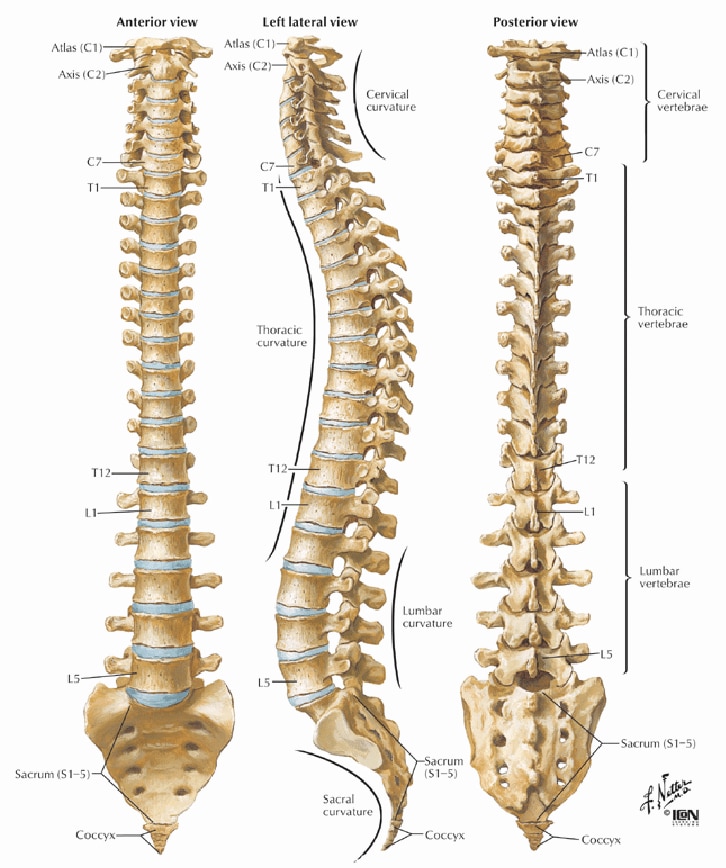
The spinal level must match both the symptoms and the neurological examination. An MRI abnormality alone does not prove that surgery is needed: age-related disc wear, narrowing and small bulges are common, including in people without pain.
| Spinal level | Typical symptom pattern | MRI finding that needs correlation |
|---|---|---|
| Cervical | Neck pain, hand numbness or weakness, clumsy fingers, balance trouble, or stiff, weak legs | Cord compression or narrowing that matches examination findings of myelopathy |
| Thoracic | Mid-back pain, a band-like sensation around the chest or abdomen, leg stiffness or weakness | Cord compression, fracture, infection or tumour at the symptomatic level |
| Lumbar | Low-back pain with buttock or leg pain, numbness, weakness, or walking limited by leg symptoms | Canal or foraminal narrowing matching the affected nerve and side |
Cervical disease can injure the spinal cord and affect all four limbs or walking; lumbar disease more often affects nerve roots in the legs. Thoracic disease is less common but can compress the cord and produce leg or trunk symptoms without obvious low-back pain.
The clinician should compare the actual MRI images with your pain distribution, strength, reflexes, sensation, walking pattern and symptom duration. A search for the best neurosurgeon spine consultation in Pune should therefore focus on this clinical match, not on the most dramatic scan wording.
If the proposed operation does not fit the symptoms, request a second opinion using the original images.
Choose between observation, injections and different operations
Age alone is not a reason to operate. Choose according to the diagnosis, matching MRI findings to symptoms, frailty, bone strength, cognition, mobility, heart and kidney disease, blood-thinner use, and the person’s goals.
Ask what happens if you wait, which non-operative treatments remain, and why the proposed operation offers more benefit than observation or decompression alone.
| Option | What it means | When it applies |
|---|---|---|
| Observation and rehabilitation | Medicines, activity changes, physiotherapy, walking aids and monitoring | Mild or stable symptoms without progressive weakness, cord compression or disabling pain |
| Injections | Targeted epidural or facet injections for temporary pain relief or diagnostic clarification | Persistent radicular or facet pain when surgery is not yet justified; relief is not a cure |
| Decompression | Removes bone or ligament pressing on a nerve or spinal cord | Disabling stenosis, claudication or myelopathy that matches imaging after appropriate conservative care |
| Discectomy | Removes a herniated disc fragment | Persistent nerve pain with a matching disc prolapse, or progressive weakness |
| Fusion | Joins vertebrae with screws, rods and bone graft | Instability, deformity or another specific indication; stenosis alone does not automatically require fusion |
| Vertebral augmentation | Cement strengthens a painful compressed vertebra | Selected painful osteoporotic fractures after careful assessment |
| Fracture stabilisation | Fixes an unstable fracture to protect the spine or nerves | Instability, deformity, neurological compromise or uncontrolled pain |
| Tumour surgery | Removes, biopsies or stabilises tumour-affected bone | Cord compression, instability, diagnostic uncertainty or pain requiring structural treatment |
Progressive weakness, spinal-cord compression, cauda equina symptoms or an unstable fracture demand prompt specialist assessment. For spine surgery choices in Pune, seek a second opinion before extensive fusion or tumour surgery and have the clinician review the actual MRI images.
How to compare neurosurgeons and hospitals in Pune
The best neurosurgeon for elderly spine surgery choices in Pune is not established by rankings or testimonials. Compare the doctor’s training and current practice with the diagnosis: lumbar stenosis, cervical myelopathy, fracture, tumour, infection or deformity.
Evidence to request includes:
| Evidence | What to verify | Why it matters |
|---|---|---|
| Specialty registration | Maharashtra Medical Council registration, recognised postgraduate specialty training and current hospital privileges | Confirms identity, qualification and authority to practise |
| Relevant experience | Recent cases involving patients of similar age, frailty, osteoporosis and the same spinal condition | A surgeon experienced in disc surgery may not suit a tumour or unstable fracture |
| Procedure volume | Number of the proposed operation performed each year, not total operations; ask about complications and reoperations | High volume of a different procedure proves little |
| Anaesthesia and intensive care | Geriatric-aware anaesthesia, medical co-management, 24-hour monitoring and ICU access | Heart disease, kidney disease, blood thinners and delirium can complicate recovery |
| Infection prevention | Antibiotic policy, operating-room protocols, implant handling and wound surveillance | Infection can require prolonged treatment or another operation |
| Rehabilitation | Physiotherapy, mobilisation planning, fall prevention and discharge support near Pune | Strength and independence often determine the real result |
Dr Dilip Kiyawat should be assessed by the same evidence: diagnosis-specific experience, transparent risk discussion and hospital support, rather than his title alone. The best neurosurgeon for elderly spine surgery is the clinician who explains non-operative care, expected benefit and failure risks in terms you can check.
Related items
 | Spine Surgery Spine Surgeon in Pune Dr. Dilip S. Kiyawat works as Neurosurgeon at Jehangir Hospital, Pune, Maharashtra, India. He completed his M.Ch.(Neuro). View product → |
 | Treatment of Head injury ₹1200 Management of head injuries 1. Extensive scalp laceration- . The bleeding is controlled by suturing the scalp. . View service → |
Questions to ask before agreeing to elderly spine surgery
A useful consultation should produce a clear decision, not simply a surgical date. Ask the clinician to explain the diagnosis, the expected improvement in walking, strength or pain, and what happens if you wait. Compare spine surgery choices in Pune using answers you can understand and verify.
- Why this operation rather than observation, injections, decompression alone or no surgery? What benefit is realistic, and by when?
- How many spinal levels require treatment? Is fusion necessary, or would decompression suffice? Which screws, rods, cages or grafts are required, and what happens if fusion fails to unite?
- How do this patient’s frailty, osteoporosis, muscle loss, balance, memory, diabetes, kidney or heart disease, sleep apnoea and blood-thinner use alter the risks of infection, nerve injury, clots, anaesthesia, non-union, reoperation and death?
- Which medicines must change, who will coordinate that plan, and when will each restart? Never stop an anticoagulant or antiplatelet drug independently.
- How will you prevent and detect delirium? Ask about hydration, mobilisation, sensory aids, medication review, family involvement and overnight observation.
- How many nights in hospital are expected, including intensive-care monitoring? What rehabilitation, emergency follow-up and home support are available locally?
Ask whether deferring surgery for a defined period is safe. A second opinion is sensible for extensive fusion, unclear MRI-symptom matching, or a recommendation that changed from decompression to fusion; bring the actual MRI images and reports. A best neurosurgeon spine consultation in Pune should welcome that review.
Frequently asked questions
When does an elderly spine problem need urgent assessment?
Seek emergency assessment for new bladder or bowel control loss, numbness around the groin or inner thighs, rapidly worsening limb weakness, or inability to walk. These symptoms can signal cauda equina or spinal cord compression.
How should you match MRI findings with symptoms?
Confirm that the compressed nerve or spinal cord level on the MRI matches your pain, numbness, weakness, reflex changes, and walking problems. An MRI abnormality alone does not prove that surgery is needed.
What spine surgery choices are available in Pune?
Depending on the diagnosis, options include observation with monitoring, physiotherapy and medicines, injections, decompression surgery, and decompression combined with spinal fusion. The choice depends on symptoms, instability, bone quality, overall health, and treatment goals.
How can you compare neurosurgeons and hospitals in Pune?
Compare the surgeon’s experience with your specific diagnosis and age group, the explanation of alternatives, hospital intensive-care and rehabilitation support, anaesthesia assessment, and the plan for complications and follow-up.
What questions should you ask before elderly spine surgery?
Ask what is causing the symptoms, what happens without surgery, which operation is proposed and why, what alternatives exist, how medicines and medical conditions affect risk, expected recovery time, and who manages follow-up rehabilitation.
Related product
Brain Surgeon Here are numerous types of brain surgery. The type used is based on the area of the brain and the condition being treated. View product → |