
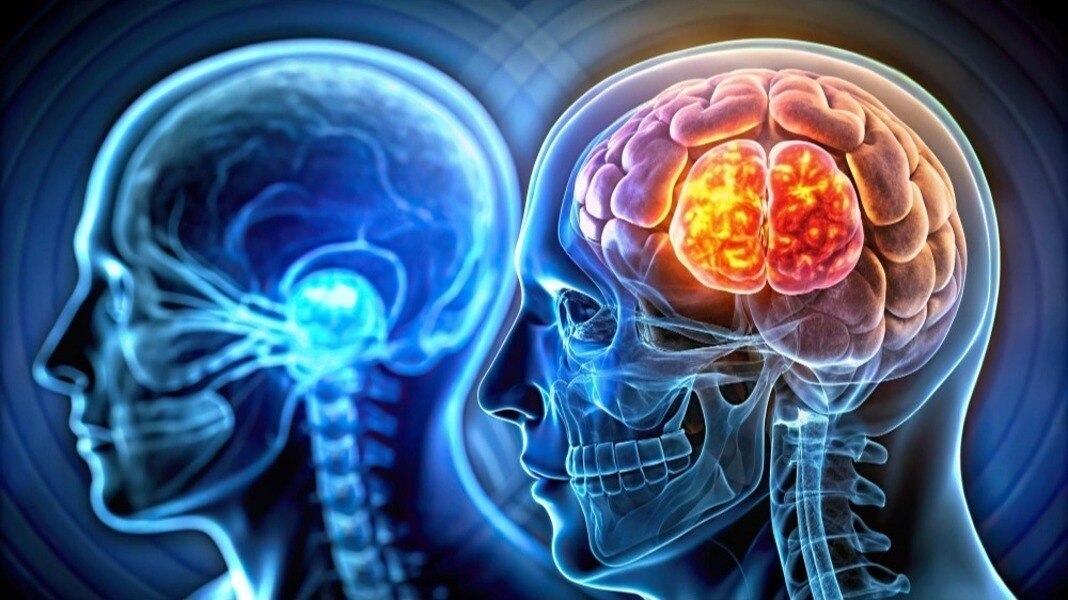
A sudden neurological change, serious head injury, or prolonged seizure needs emergency care before you spend time comparing private appointments. You will be able to recognise danger signs, contact the right hospital team, and prepare the information a neurosurgeon needs without delaying treatment.
Key takeaways
- Call 112 for sudden weakness, speech trouble, vision loss, or a severe headache.
- Go to the nearest emergency department instead of waiting for a clinic appointment.
- Share symptom onset time, medicines, scans, and medical history when calling.
- Compare neurosurgeon expertise, hospital facilities, and emergency access after stabilisation.
Is this a 112 emergency or a private consultation?
A sudden facial droop, arm or leg weakness, speech difficulty, loss of vision, severe imbalance, or sudden severe headache requires 112 or the nearest emergency department. Do not wait for a private consultation or a clinic slot.
A search for “brain for surgeon urgent treatment in pune” is the correct prompt for emergency routing, not a reason to delay it.
Record the exact time a suspected stroke patient was last known to be normal. Selected patients may qualify for intravenous thrombolysis within 4.5 hours, or mechanical thrombectomy within 6 hours and up to 24 hours under advanced-imaging criteria.
After a head injury, call 112 or go to emergency care for:
- Loss of consciousness, repeated vomiting, worsening headache, seizure, confusion, or increasing drowsiness
- Unequal pupils, slurred speech, new weakness, or severe imbalance
- Clear fluid or blood from the nose or ears
- Any sudden neurological change that is getting worse
A seizure lasting 5 minutes or longer, repeated seizures without recovery, a first seizure, breathing difficulty, injury during a seizure, or persistent confusion needs emergency assessment.
A private appointment fits a stable problem such as gradually worsening headaches or persistent neck pain only when no warning sign exists. Rapid decline, stroke symptoms, bleeding, or severe head injury belongs in hospital care.
How do you find immediate neurosurgical support in Pune?
1. Call 112 or go to the nearest suitable emergency department. Tell the dispatcher or triage nurse exactly what happened, when it happened, and whether the patient lost consciousness, vomited, seized, or became weaker or drowsier.
2. Ask the emergency department to arrange review by the on-call neurosurgeon. Confirm that it has 24-hour CT scanning, MRI access when clinically appropriate, an operating room, anaesthesia support, neuro-intensive-care beds, blood-bank access, trauma services, and ambulance transfer arrangements.
3. Do not wait for a named surgeon before head-injury imaging.
NICE recommends a CT head scan within 1 hour for an initial Glasgow Coma Scale score of 12 or less, a score below 15 two hours after injury, suspected open or depressed skull fracture, signs of basal skull fracture, a post-traumatic seizure, focal neurological deficit, or more than one vomiting episode.
The scan can reveal bleeding, swelling, or a fracture that requires immediate treatment.
4. Use an urgent neurosurgeon appointment in Pune only when the patient is stable enough for same-day assessment. A deteriorating patient needs hospital care, not a private appointment. Sudden neurological decline, suspected stroke, intracranial bleeding, severe head injury, prolonged seizure, or worsening consciousness requires emergency treatment.
A stable person with a persistent but unchanged symptom can attend a same-day service after confirming that the specialist can examine the patient and arrange admission if the assessment changes the urgency.
How can you search for a brain surgeon near me without losing time?
Search “brain surgeon near me” as a starting point, not a decision. Open the National Medical Commission’s Indian Medical Register and match the doctor’s name, registration number, and state registration details.
Then confirm a recognised neurosurgery qualification, such as MCh or DNB Neurosurgery, and call the hospital to verify that the doctor can admit and operate patients there.
A short journey is useless if the doctor works only from a clinic or the hospital cannot provide emergency admission. Treat incomplete directories, old listings, unverified profiles, and clinic-only practices as leads to check—not proof of current availability. Ask the hospital emergency desk whether an on-call specialist and surgical support are available.
Choose the service that matches the problem:
| Specialist | Best fit | Immediate action |
|---|---|---|
| Emergency physician or trauma centre | Stabilisation after collapse, seizure, or injury | Go to emergency care |
| Neurosurgeon | Brain, spinal cord, peripheral nerve, or surgical spine assessment | Request hospital or outpatient review |
| Neurologist | Many non-surgical brain and nerve disorders | Arrange medical assessment |
| Orthopaedic spine surgeon | Selected musculoskeletal spine problems | Book review when stable |
For spinal symptoms, seek prompt assessment for new bladder or bowel dysfunction, saddle numbness, rapidly worsening limb weakness, or loss of walking ability. Do not wait for a private slot; these signs can indicate severe nerve compression.
What information should you give when requesting an urgent appointment?
Give the hospital coordinator or neurosurgery team a precise clinical timeline and the records needed to act without delay.
1. State the main symptoms, the exact time they began, and the patient’s age. For suspected stroke, give the last-known-well time: when the person was last normal, even if symptoms were discovered later.
2. Describe any injury mechanism, such as a fall, road crash, blow to the head, or assault. Give the patient’s current location and a phone number for the person accompanying them.
3. List every medicine by name, dose, and last dose taken. Identify anticoagulants and antiplatelet drugs, such as warfarin, apixaban, rivaroxaban, aspirin, or clopidogrel, and state all drug allergies.
4. Report previous CT or MRI scans and recent discharge summaries. Bring the actual CT or MRI images in their original digital format, not only the written report; images can show details the report does not mention.
5. Do not stop anticoagulants or antiplatelet medicines independently. The correct action depends on whether the problem involves bleeding, clotting, trauma, or a planned procedure.
A brain surgery consultation in Pune does not automatically mean surgery. Assessment may result in observation, medication, rehabilitation, further testing, or an operation, based on the diagnosis, examination, imaging, symptoms, and risks.
How do you compare a neurosurgeon and hospital once the emergency is controlled?
For gradually worsening headaches, suspected hydrocephalus, persistent back or neck pain, or progressive limb weakness without emergency warning signs, choose by the diagnosis and care pathway—not by “best brain surgeon.” Confirm that new bladder or bowel dysfunction, saddle numbness, rapidly worsening weakness, or loss of walking ability is absent; these require urgent assessment.
| Choice point | What to confirm | Warning sign |
|---|---|---|
| Diagnosis | The working diagnosis and the examination or scan supporting it | A scan finding is treated as proof of surgery without explaining symptoms |
| Treatment | Why surgery is needed, what happens if treatment is delayed, and whether observation, medication, rehabilitation, or another non-operative option is reasonable | You are pushed to decide without alternatives |
| Operation | The proposed operation, its material risks, expected benefit, and likely recovery | The procedure is named without discussing complications |
| Hospital | Admission arrangements, operating-room and anaesthesia access, postoperative monitoring location, and emergency transfer plans | The practice cannot explain where deterioration will be managed |
| Follow-up | Who reviews you, when, and how you contact the team after discharge | No written follow-up or emergency pathway |
Ask these questions directly before elective brain or spine surgery. A second opinion can clarify an uncertain diagnosis or benefit, but it must not delay treatment for stroke, intracranial bleeding, severe head injury, prolonged seizure, or rapid neurological decline.
When assessing a specialist practice such as Dr Dilip Kiyawat, verify the relevant diagnosis, hospital access, emergency pathway, and follow-up plan. Those details matter more than a promotional label.
Related services
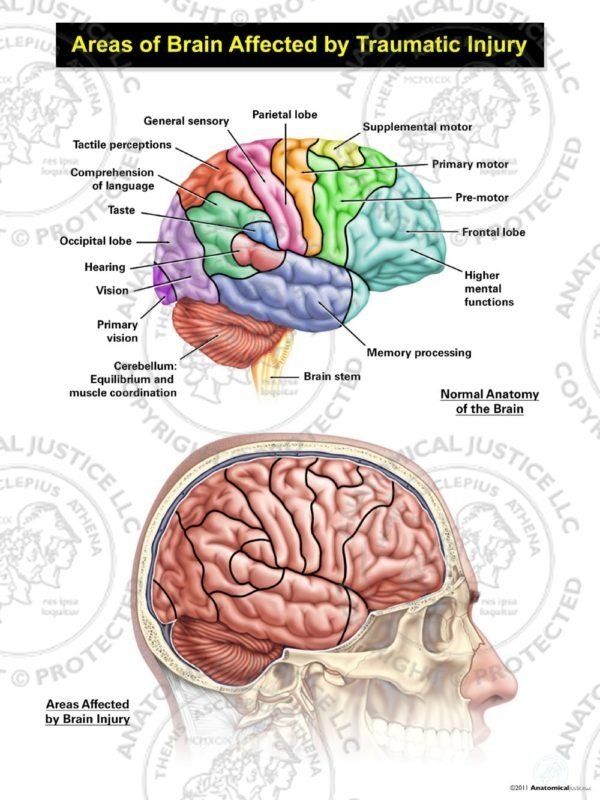 | Treatment of Head injury ₹1200 Management of head injuries 1. Extensive scalp laceration- . The bleeding is controlled by suturing the scalp. . View service → |
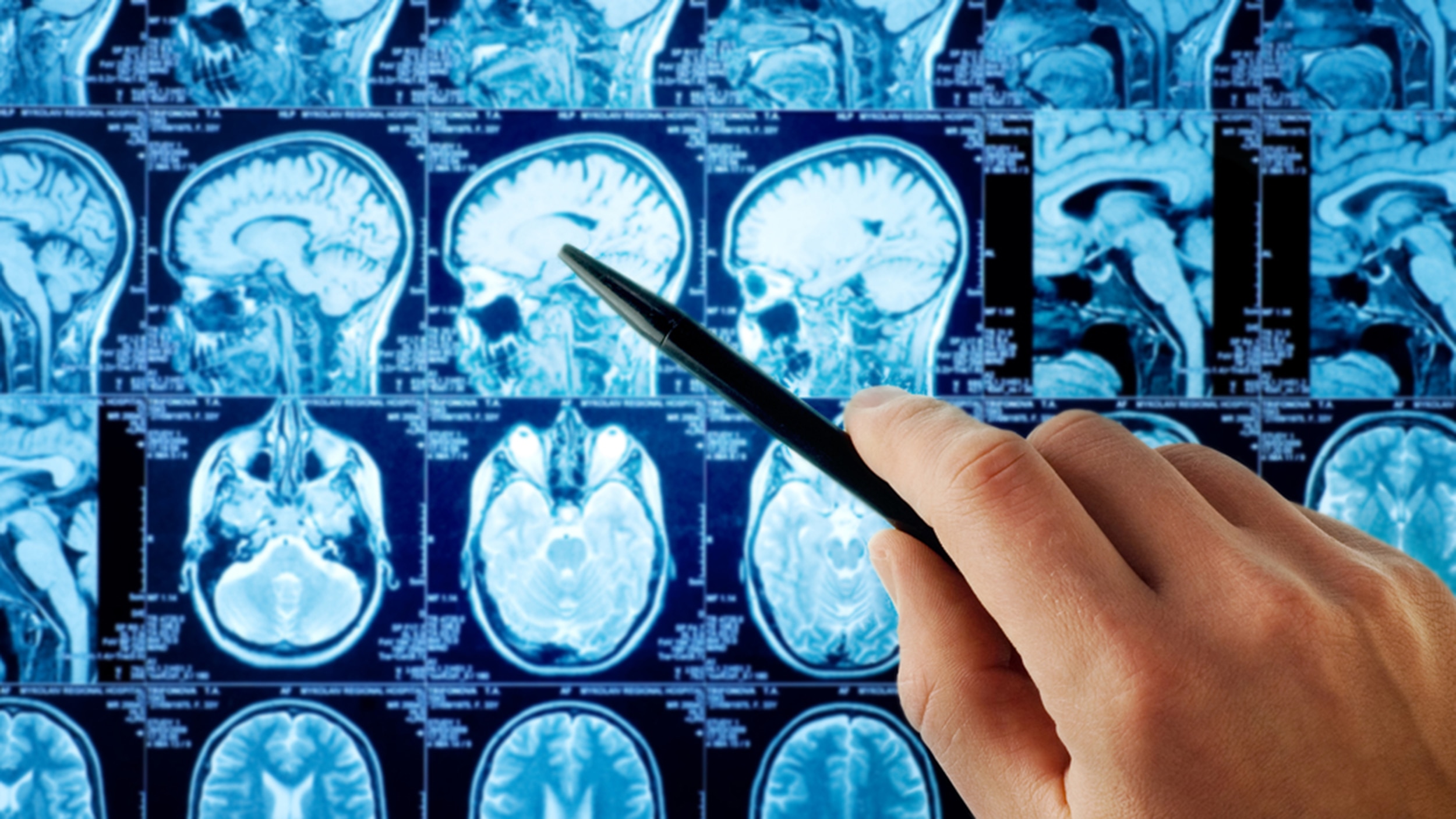 | Brain Surgery ₹1200 Brain tumours are abnormal growths of cells within the brain or the surrounding structures. View service → |
Frequently asked questions
When should you call 112 instead of seeking a private consultation?
Call 112 for sudden facial droop, arm or leg weakness, speech difficulty, loss of vision, severe imbalance, or a sudden severe headache. Go to the nearest emergency department and do not wait for a private appointment.
How can you find immediate neurosurgical support in Pune?
Ask the emergency department to arrange neurosurgical assessment, and contact hospitals with 24-hour emergency services and neurosurgical coverage. Take the patient to the nearest suitable emergency department when symptoms are severe.
How should you search for a brain surgeon near me during an urgent situation?
Search for a neurosurgeon attached to a hospital with emergency services, imaging, an operating theatre, and intensive care. Confirm the hospital location and travel there rather than waiting for multiple clinic calls.
What information should you provide when requesting an urgent neurosurgical appointment?
Give the exact symptom onset time, current symptoms, age, medical conditions, medicines, blood-thinner use, allergies, previous brain or spine procedures, and details of available scans or reports.
How should you compare a neurosurgeon and hospital after the emergency is controlled?
Compare the surgeon’s experience with the diagnosed condition, the hospital’s imaging and intensive-care facilities, access to surgery, follow-up arrangements, and the clarity of the proposed treatment plan.
Related items
Brain Surgeon Here are numerous types of brain surgery. The type used is based on the area of the brain and the condition being treated. View product → |
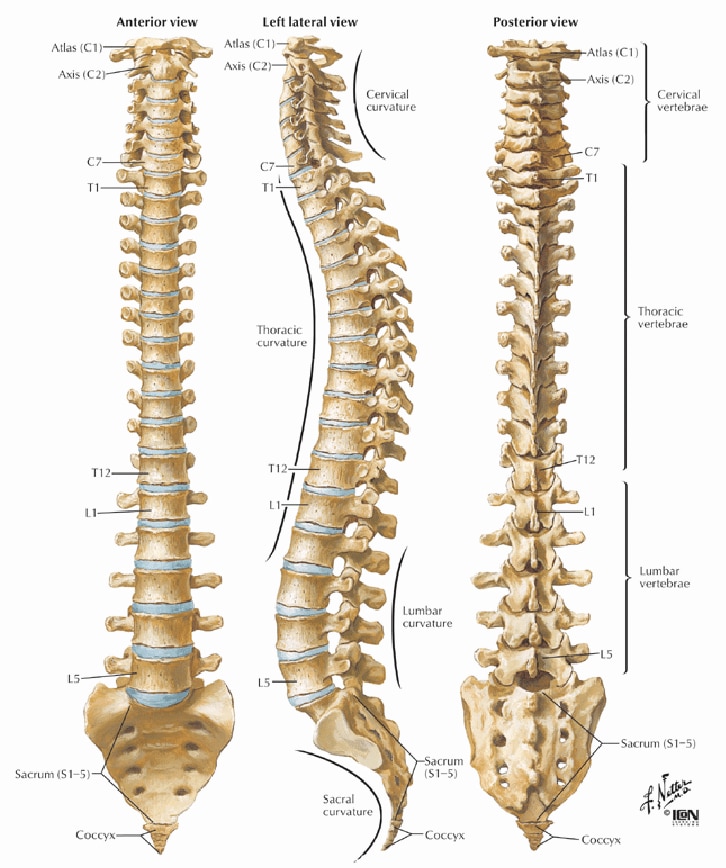 | Spine Surgery Spine Surgeon in Pune Dr. Dilip S. Kiyawat works as Neurosurgeon at Jehangir Hospital, Pune, Maharashtra, India. He completed his M.Ch.(Neuro). View product → |
| TUMOR & CANCERS Brain Tumor & Cancer An Cerebral aneurysm or intracranial aneurysm is when the internal walls of the artery through which the blood flows in the brain becomes thin and... |
 | Types of brain tumours- Primary brain tumors are tumors that originate in the brain itself, as opposed to secondary tumors that spread to the brain... View service → |