
A “best” label cannot tell you whether a surgeon’s plan fits the tumour’s location, biology, symptoms, or your health. Use the framework below to verify credentials, compare treatment pathways, and arrive at a consultation with the records and questions needed for a safer decision.
Key takeaways
- Compare surgeons using tumour location, imaging, symptoms, and suspected pathology.
- Ask whether observation, biopsy, resection, or non-surgical treatment fits your case.
- Request risks, expected outcomes, alternatives, and recovery details in writing.
- Compare pathology, rehabilitation, follow-up, and emergency support—not only the operation.
Replace the “best” label with a surgeon-comparison checklist
Compare surgeons against the same checklist, not against the word “best.” If you are searching for the best neurosurgeon to compare brain tumor surgery care options in pune, check whether the proposed plan fits the tumour’s location, size, imaging features, symptoms, age, and suspected pathology. No public ranking establishes one universally best surgeon.
Ask for evidence of:
- Current registration and an M.Ch. or equivalent neurosurgical qualification.
- Recent experience with tumours similar in location, type, and complexity.
- Hospital privileges and the surgeon’s personal role during the operation.
- Access to a multidisciplinary tumour board, neuropathology, neuro-anaesthesia, and neurocritical care.
- Neuronavigation, intraoperative neurophysiological monitoring, and advanced MRI when indicated.
- Written information about neurological complications, reoperation, rehabilitation, and follow-up MRI.
Compare each option across the same practical dimensions:
| Surgeon experience | Recent case experience with comparable brain tumours; willingness to discuss complications and outcomes | Prefer specific examples over “high success rate” |
|---|---|---|
| Hospital capability | Neuro-ICU, neuro-anaesthesia, navigation, monitoring, molecular pathology, and emergency access | Important when surgery risks speech, movement, vision, or consciousness |
| Continuity of care | Tumour-board review, oncology and radiation-oncology coordination, seizure management, rehabilitation, and arranged imaging | Reduces gaps after discharge |
Advanced equipment supports safer decisions but cannot guarantee complete removal or prevent complications. A nearby clinic helps with urgent wound checks, seizures, and rehabilitation; specialised tumour review and intensive care matter more when the case is complex.
Check how imaging and pathology change the treatment plan
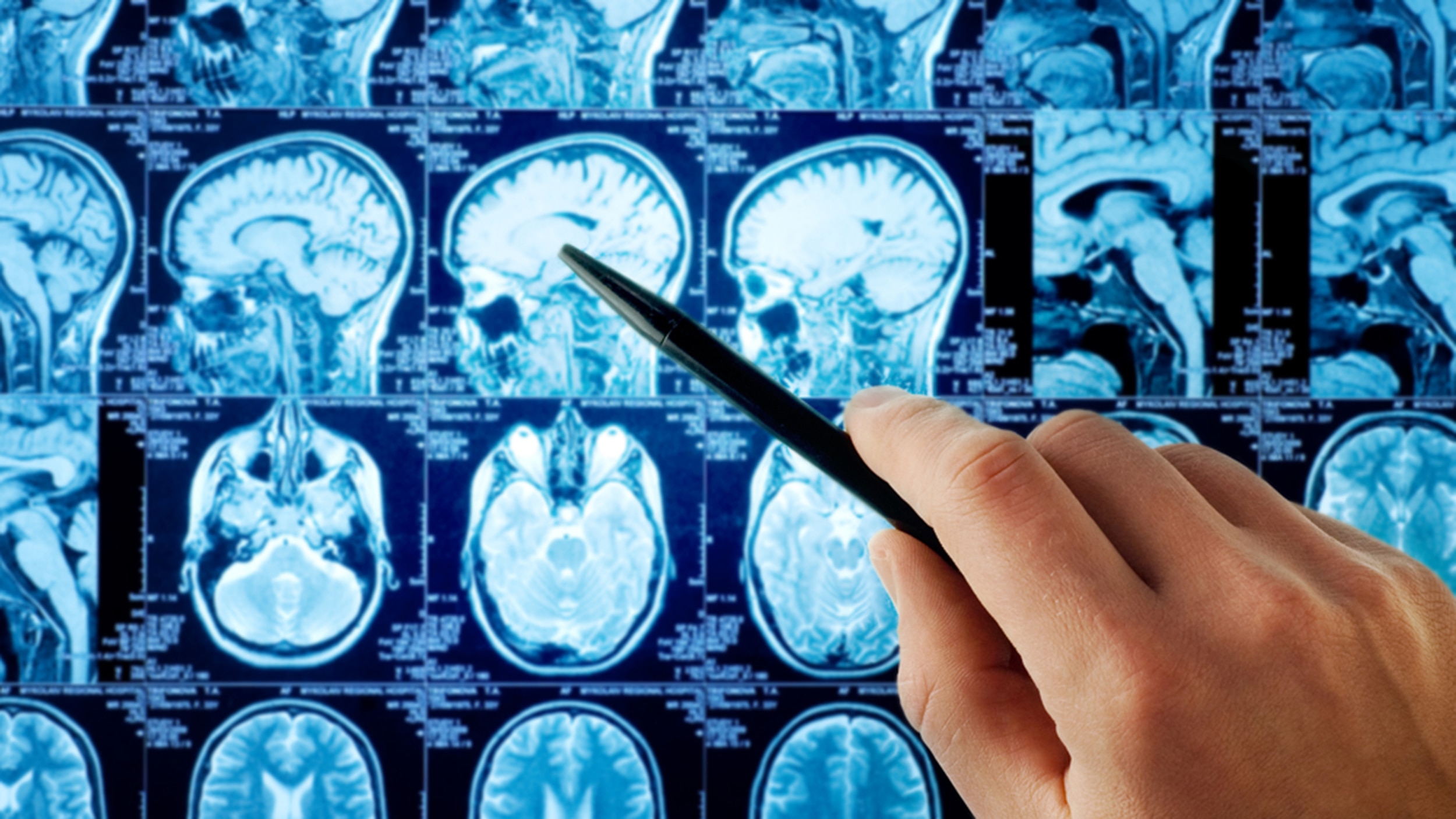
A contrast-enhanced MRI shows the tumour’s size, borders, swelling, cystic areas, and relationship to ventricles and major blood vessels. Diffusion imaging can add clues about tumour type or restricted movement, while perfusion imaging estimates blood flow. Functional MRI and tractography help map speech, movement, or vision pathways before an operation.
A neurosurgical treatment comparison in Pune should check whether the team uses these studies when indicated and explains their limits:
- A well-defined, accessible tumour may be suitable for maximal safe resection, aiming to remove visible disease without causing a new neurological deficit.
- A deep tumour or one touching speech, movement, vision, or memory pathways may require biopsy, partial removal, or an operation stopped at a safe boundary.
- A stereotactic biopsy may be safer than resection when imaging suggests lymphoma, a metastasis needing systemic treatment, or a lesion in a dangerous location.
- Neuronavigation and intraoperative neurophysiological monitoring support accuracy and safety; they do not guarantee complete removal.
The tissue diagnosis changes the next decision. Ask whether an expert neuropathologist will integrate microscope findings with molecular tests such as IDH mutation, 1p/19q codeletion, ATRX, and MGMT promoter methylation when relevant. These results can alter the need for radiation or chemotherapy and clarify whether another operation has value.
Confirm that the proposed extent of surgery matches the scan, symptoms, pathology, and your functional priorities—not simply the goal of removing “as much as possible.”
Compare observation, biopsy, resection, and non-surgical treatment
Observation is the right first step when a small, slow-growing lesion causes no symptoms and imaging supports monitoring; surgery is not automatically safer than surveillance.
| Option | What it means | When it applies |
|---|---|---|
| Observation | Scheduled MRI scans and neurological reviews without immediate intervention | A small, stable, low-risk lesion causes no significant symptoms |
| Biopsy | Removes a tissue sample for microscopic and molecular diagnosis | The tumour is deep, infiltrates critical tissue, or treatment depends on its exact type |
| Maximal safe resection | Removes as much tumour as possible without unacceptable neurological harm | The lesion is accessible and removal can reduce pressure, symptoms, or tumour burden |
| Non-surgical treatment | Uses radiation, chemotherapy, targeted treatment, or comfort-focused care | Surgery is unsafe, unnecessary, unlikely to help, or unsuitable for the person’s condition |
The main brain tumor surgery choices also include subtotal resection followed by radiation or systemic treatment, and repeat surgery for selected recurrences. “Maximal safe” does not mean removing every visible abnormality at any cost; damage to speech, movement, vision, memory, or swallowing can outweigh extra tumour removal.
A biopsy can be better than attempted full removal when tissue diagnosis will change treatment but the tumour lies beside vital functional areas. Conversely, an accessible lesion causing raised pressure, seizures, weakness, or hydrocephalus may need surgery for both diagnosis and relief.
Compare each recommendation against the tumour’s location, size, symptoms, imaging, suspected pathology, and your health. Ask what happens if you monitor, biopsy, operate, or start radiation or systemic treatment first.
Ask questions that expose the real risks and expected outcome
Ask, “What is the operation trying to achieve, and what happens if we do not operate?” The answer should connect the plan to the tumour’s location, size, symptoms, imaging, age, and suspected type—not to a generic promise of complete removal. Searching for the best neurosurgeon brain tumor surgery options in Pune requires this tumour-specific explanation.
Ask these questions during the consultation:
- What is the suspected tumour type and grade, and which scan findings support that view?
- Is the goal observation, biopsy, maximum safe resection, symptom relief, or tissue diagnosis?
- What alternatives exist, including radiotherapy, chemotherapy, monitoring, or a second opinion?
- Which parts of the operation will you personally perform? Who will assist, and who makes decisions if the tumour is difficult to separate from vital tissue?
- What are my risks of weakness, speech or vision problems, seizures, bleeding, infection, cerebrospinal-fluid leak, blood clots, or needing further treatment?
Compare answers in writing:
| Question | A useful answer includes | Warning sign |
|---|---|---|
| How will you measure success? | A defined goal, such as symptom control, diagnosis, or maximum safe removal | “100% removal” without limits |
| What results do you report? | Tumour type, case numbers, timeframe, and temporary versus permanent deficits | One unexplained success percentage |
| What happens afterward? | Intensive care, pathology, rehabilitation, seizure planning, and follow-up MRI | No named follow-up pathway |
Ask when the surgeon would stop rather than risk permanent damage. That answer reveals judgment more clearly than a title or marketing claim.
Compare the complete care pathway, not only the operation
A sound choice compares what happens before, during, and after surgery—not just the surgeon’s operating-room experience. For a neurosurgical treatment comparison in Pune, ask who reviews the scans, manages unexpected deterioration, interprets tissue, restores function, and arranges surveillance.
| Service | Evidence to request | Why it matters |
|---|---|---|
| Tumour board and pathology | Named neurosurgeon, neuroradiologist, neuropathologist, medical and radiation oncologists; access to molecular tests such as IDH, ATRX, 1p/19q, and MGMT when relevant | The diagnosis and treatment plan can change after expert tissue review |
| Operation, neuroanaesthesia, and intensive care | Neuronavigation, mapping or monitoring when indicated, neuroanaesthesia, 24-hour neurocritical care, and emergency access | A technically suitable operation still needs safe recovery and rapid treatment of complications |
| Rehabilitation and seizure care | Physiotherapy, occupational or speech therapy, neuropsychology, and a documented seizure-medication plan | Weakness, speech changes, cognition, and seizures can continue after discharge |
| Oncology and follow-up | Radiation and medical-oncology coordination, pathology turnaround, and a named plan for postoperative MRI | Delayed results or unclear imaging appointments can postpone the next treatment decision |
At consultation, compare the written plan for hospital stay, ICU need, warning signs, rehabilitation, seizure review, and MRI timing. Ask who answers urgent calls after discharge and where you should go if a wound problem, seizure, severe headache, or new weakness develops.
For someone searching “best neurosurgeon to compare brain tumor surgery care options in Pune,” a consultation with Dr Dilip Kiyawat is useful to compare only if it clarifies the tumour’s location, objective, alternatives, personal surgical role, and links to the hospital’s full pathway.
Travel convenience matters after discharge, but specialised support matters more during complex care.
Related items
 | Brain Surgery ₹1200 Brain tumours are abnormal growths of cells within the brain or the surrounding structures. View service → |
Brain Surgeon Here are numerous types of brain surgery. The type used is based on the area of the brain and the condition being treated. View product → |
Frequently asked questions
How should you compare neurosurgeons for brain tumor care in Pune?
Use the same checklist for each surgeon: tumour location, size, imaging features, symptoms, suspected pathology, proposed treatment, risks, expected outcome, and follow-up plan. Do not rely on the label “best” or on rankings alone.
How do imaging and pathology affect brain tumor treatment?
MRI findings show the tumour’s location, size, spread, and relationship to important brain structures. Tissue obtained through biopsy or resection can identify the tumour type and grade, which can change the need for surgery, radiotherapy, chemotherapy, or observation.
What brain tumor surgery choices should you compare?
Compare observation with scheduled imaging, stereotactic biopsy, partial or complete resection, and non-surgical treatment. The appropriate choice depends on the tumour’s features, symptoms, location, suspected pathology, and your overall health.
What questions reveal the real risks and expected outcome?
Ask what neurological functions are near the tumour, which complications are possible, how often the proposed approach requires further treatment, what recovery involves, and what outcome the surgeon expects for your specific scan and suspected pathology.
What should you compare beyond the brain tumor operation?
Compare the complete pathway: preoperative imaging and assessment, pathology review, anaesthesia and hospital care, rehabilitation, radiotherapy or oncology referrals, follow-up scans, medication management, and who to contact if symptoms worsen.
Related items
| TUMOR & CANCERS Brain Tumor & Cancer An Cerebral aneurysm or intracranial aneurysm is when the internal walls of the artery through which the blood flows in the brain becomes thin and... |
 | Treatment of Head injury ₹1200 Management of head injuries 1. Extensive scalp laceration- . The bleeding is controlled by suturing the scalp. . View service → |
 | Spine Surgery Dr. Dilip S. Kiyawat has wide experience in treating spinal disorders. View service → |
 | Types of brain tumours- Primary brain tumors are tumors that originate in the brain itself, as opposed to secondary tumors that spread to the brain... View service → |