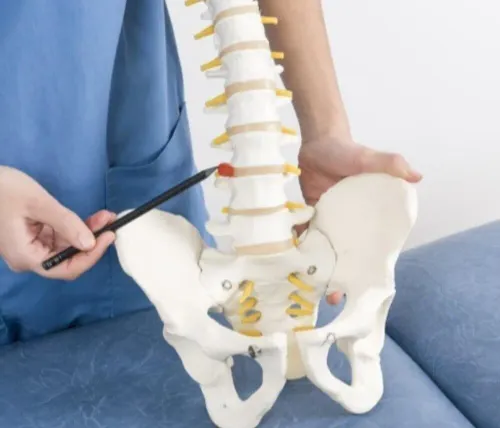

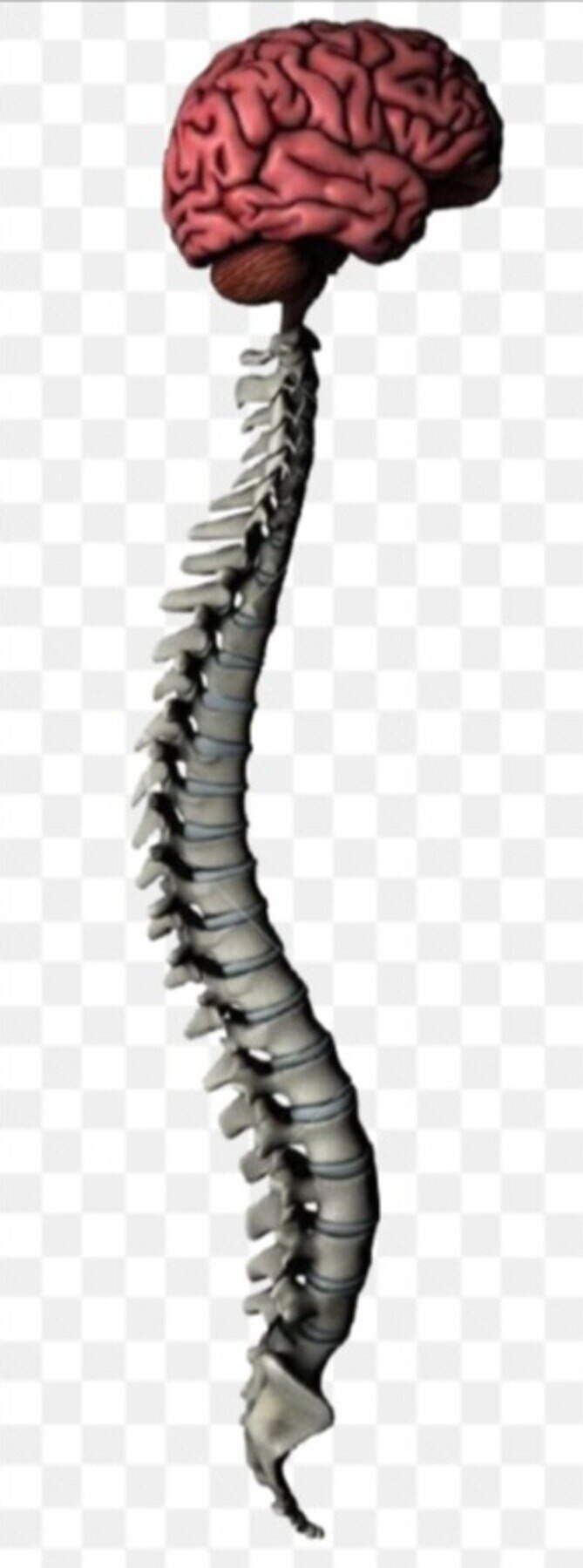
Back or neck pain does not automatically mean that you need an operation. The right choice depends on whether treatment is addressing pain and function, or preventing ongoing nerve, spinal cord, or structural damage. By the end, you will know how to compare non-surgical care, injections, observation, and surgery, and how to prepare for a specialist decision in Pune.
Key takeaways
- Start with movement, physiotherapy, and watchful waiting for uncomplicated pain.
- Seek urgent assessment for progressive weakness, coordination loss, or bladder and bowel changes.
- Compare symptoms, examination findings, scans, and expected benefits before choosing surgery.
- Bring scans, medication details, symptom timelines, and questions to your consultation.
When is non-surgical spine treatment the better first choice?
For uncomplicated neck or back pain without progressive weakness, loss of coordination, or other neurological deterioration, non-surgical care is usually the better first choice. Modify painful activities, keep tolerable movement, use exercise-based physiotherapy, and consider watchful waiting when symptoms are improving. Prolonged bed rest weakens muscles and reduces mobility.
| Option | Main role | Important limit |
|---|---|---|
| Analgesics and anti-inflammatory medicines | Reduce pain or inflammation | Do not repair nerve or spinal cord damage |
| Neuropathic pain medicines | Reduce burning, tingling, or electric nerve pain | Do not remove physical compression |
| Exercise-based physiotherapy | Improve strength, mobility, conditioning, and function | Progress must match symptoms |
| Watchful waiting | Allows time for some disc-related pain to settle | Reassessment is needed if weakness or function worsens |
For acute, severe sciatica, an epidural injection containing local anaesthetic and steroid may provide short-term nerve-root pain relief. It does not permanently correct compression, and spinal injections are not routine treatment for ordinary low-back pain.
Long-term opioids are not a default alternative for chronic primary low-back pain because dependence, tolerance, constipation, sedation, and overdose risk can outweigh benefit.
These spine surgery alternatives in Pune should be matched to the pain generator and neurological findings, not an MRI phrase alone. The same principle should guide spinal neurosurgeon treatment choices in Pune: medicines treat symptoms, rehabilitation restores function, while decompression is considered when nerve or spinal cord damage is progressive or disabling.
Which symptoms make urgent surgical assessment important?
New urinary retention, new incontinence, or numbness around the inner thighs, buttocks, or genitals requires urgent medical assessment. These symptoms can signal cauda equina compression, where delaying treatment can cause permanent bladder, bowel, sexual, or leg dysfunction.
Warning signs that change the spinal neurosurgeon spine surgery versus other treatment options in pune decision include:
| Sign | What it may indicate | What to do |
|---|---|---|
| New urinary retention or incontinence with saddle numbness | Cauda equina compression | Attend an emergency department immediately |
| Rapidly worsening leg or arm weakness | Nerve or spinal cord injury | Seek same-day specialist assessment |
| Hand clumsiness, imbalance, limb weakness, or bowel/bladder change with neck symptoms | Cervical myelopathy from cord compression | Arrange urgent assessment; do not wait for routine physiotherapy |
| Fever, severe spinal pain, or a weakened immune system | Spinal infection | Seek urgent medical evaluation |
| Known cancer with new back pain, weakness, or numbness | Cancer-related spinal compression | Seek urgent assessment |
| Major trauma, suspected instability, or vertebral collapse with neurological symptoms | Unstable spinal injury or cord compression | Avoid unnecessary movement and obtain emergency care |
Pain from degenerative discs or arthritis alone does not prove that surgery is needed. Cervical myelopathy is different: worsening coordination or walking reflects possible cord dysfunction, not just painful wear and tear. Do not wait for a routine appointment when these symptoms appear; delaying assessment carries greater risk than trying conservative care first.
How do specialists decide whether surgery is likely to help?
Surgery is more likely to help when your symptoms, examination, and scans identify the same source of nerve or spinal-cord pressure, particularly when pain or disability continues despite appropriate non-surgical care. An abnormal MRI alone does not prove that surgery is needed: disc bulges, narrowing, and arthritis can exist without causing symptoms.
1. Record the symptom duration and pattern. Note whether pain follows a nerve into the leg or arm, whether numbness or weakness is progressing, and how symptoms change with walking, sitting, or movement.
2. Perform a neurological examination and assess function. Reflexes, strength, sensation, coordination, walking distance, sleep, work, and daily activities show whether the scan has clinical importance.
3. Screen for red flags, including bladder or bowel change, saddle numbness, rapidly worsening weakness, infection, cancer, major trauma, or severe spinal-cord compression. These findings require urgent assessment rather than routine elective planning.
4. Match imaging to the examination. MRI shows nerves, discs, and stenosis; X-rays can show alignment, movement-related instability, or spondylolisthesis; CT defines bone detail and fractures. Review all results alongside response to medicines, physiotherapy, activity modification, injections, and observation.
For lumbar disc herniation with sciatica, discectomy can provide faster relief for selected patients, although some herniations improve without surgery. For lumbar spinal stenosis, decompression can improve disabling leg pain or walking limitation after failed rehabilitation, but stenosis on MRI alone is not an indication.
Fusion is reserved for instability, significant spondylolisthesis, deformity, or another clear mechanical reason. This evidence-based pathway guides a spine specialist consultation in Pune and spinal neurosurgeon treatment choices in Pune.
What does each treatment option actually correct?
Graded exercise and physiotherapy correct reduced conditioning, restricted movement, and loss of function; they do not remove a disc fragment or reverse fixed spinal-cord damage. Medicines target pain or inflammation, while neuropathic pain medicines target burning, electric-shock pain, tingling, or abnormal nerve sensitivity.
| Option | What it corrects | Important limit |
|---|---|---|
| Graded exercise and physiotherapy | Weakness, poor conditioning, stiff movement, and reduced function | Does not remove structural nerve pressure |
| Analgesics and anti-inflammatory medicines | Pain and inflammation | Relief does not prove that the underlying cause has healed |
| Neuropathic pain medicines | Nerve-related burning, shooting pain, and tingling | They control symptoms rather than decompressing a nerve |
| Epidural injection | Temporarily reduces inflammation and nerve-root pain | It does not permanently remove compression |
| Decompression | Pressure on a nerve or spinal cord from a disc, bone, or ligament | It does not automatically correct instability |
| Fusion | Selected instability, significant spondylolisthesis, or deformity | It adds operative burden and is not needed for every decompression |
The meaningful comparison in spine surgery alternatives in Pune is the operation required by your anatomy, the expected benefit, complication and re-operation risks, recovery demands, and the surgeon’s experience. A minimally invasive label does not automatically make an operation safer or more effective than conventional surgery.
Adding fusion without a specific mechanical indication can increase blood loss, operating time, hospital recovery, and future adjacent-level problems without guaranteeing better results. A spinal neurosurgeon spine surgery versus other treatment options in Pune discussion should match treatment to the pain generator and neurological findings, not to a marketing label or MRI phrase alone.
What should you take to a Pune spine consultation before consenting to surgery?
Do not consent to spine surgery until you can explain what it is meant to fix, how urgent it is, and what happens if you wait. Use this comparison during a spine specialist consultation in Pune:
| Option | What it targets | Key limitation |
|---|---|---|
| Rehabilitation | Strength, movement, and function | Does not remove severe structural compression |
| Medication | Pain, inflammation, or nerve symptoms | Does not repair nerve or spinal cord damage |
| Injection | Temporary nerve-root pain relief | Does not permanently remove compression |
| Observation | Symptoms that are stable or improving | Unsafe when weakness or cord dysfunction progresses |
| Surgery | Compression, instability, or deformity | Carries operative risks and rehabilitation demands |
Ask the surgeon to cover each point clearly:
- State the diagnosis in plain language and identify the pain generator.
- Explain the operation’s objective: pain relief, improved walking, restored strength, or protection of a nerve or spinal cord.
- Compare continued rehabilitation, medication, an injection where appropriate, and observation.
- Ask how urgent the operation is, the expected pain and function benefit, material risks, likely rehabilitation, and the consequences of delaying or declining it.
- Bring MRI images, not only the report, plus X-ray or CT discs and reports.
- Carry medication and physiotherapy records, previous injection details, a symptom timeline, and notes on weakness, numbness, walking, bladder, or bowel changes.
A second spine-specialist opinion helps when surgery is elective, uncertain, or recommended mainly because of an MRI abnormality without matching symptoms. The spinal neurosurgeon treatment choices in Pune should connect your symptoms, examination, and imaging—not the scan alone. Dr Dilip Kiyawat can use that consultation structure to make the decision clinically specific.
Related products
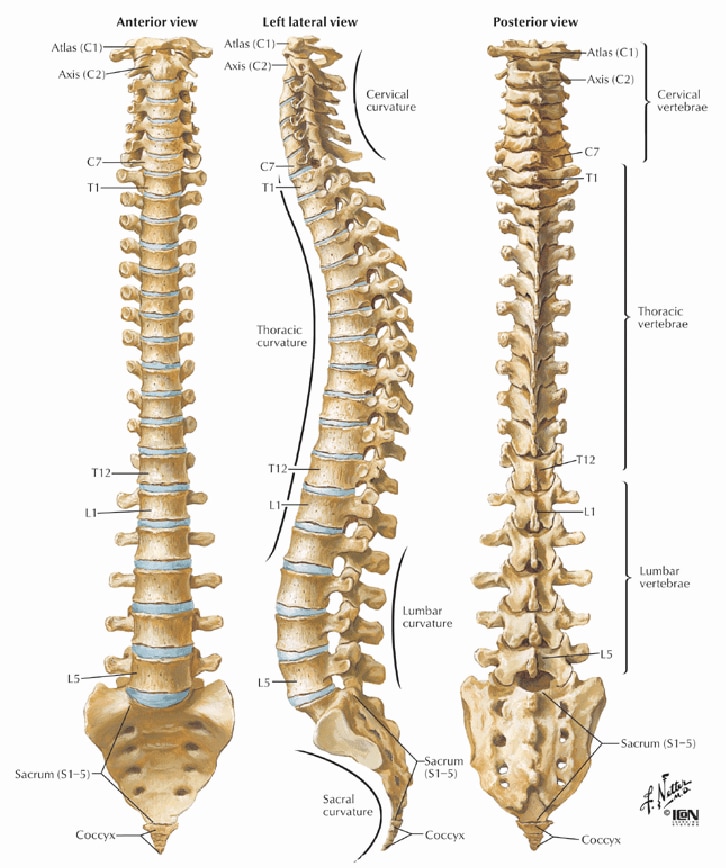 | Spine Surgery Spine Surgeon in Pune Dr. Dilip S. Kiyawat works as Neurosurgeon at Jehangir Hospital, Pune, Maharashtra, India. He completed his M.Ch.(Neuro). View product → |
Brain Surgeon Here are numerous types of brain surgery. The type used is based on the area of the brain and the condition being treated. View product → |
Frequently asked questions
When is non-surgical spine treatment the better first choice?
For uncomplicated neck or back pain without progressive weakness, coordination loss, or neurological deterioration, start with activity modification, tolerable movement, exercise-based physiotherapy, and watchful waiting while symptoms improve.
Which symptoms make urgent surgical assessment important?
Progressive weakness, worsening loss of coordination, new bladder or bowel control problems, and other signs of neurological deterioration require urgent medical assessment.
How do specialists decide whether spine surgery is likely to help?
They compare your symptom pattern and neurological examination with imaging findings, then weigh the likely benefit, risks, recovery demands, and alternatives.
What should you take to a Pune spine consultation before consenting to surgery?
Take scan images and reports, a symptom timeline, your medication list, previous treatment records, relevant medical history, and written questions about the proposed operation and alternatives.
Related items
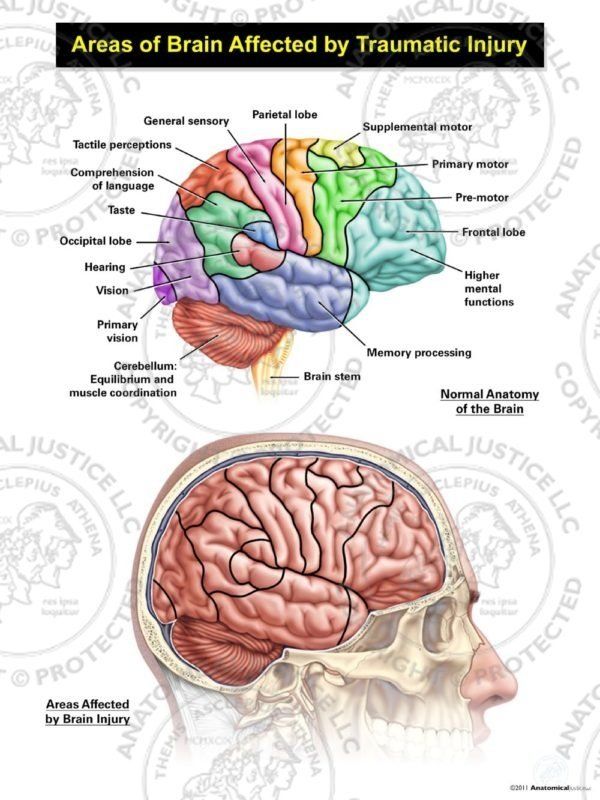 | Brain Surgeon in Pune Surgery of the Brain is one of the most specialized and delicate branch in the field of medicine . View product → |
 | Spine Surgery Prolapsed Lumbar Intervertebral Disc- Medical management The prolapsed lumbar intervertebral disc also referred to as slipped disc, sciatica, or just... View product → |
 | Brain Surgery ₹1200 Brain tumours are abnormal growths of cells within the brain or the surrounding structures. View service → |
| TUMOR & CANCERS Brain Tumor & Cancer An Cerebral aneurysm or intracranial aneurysm is when the internal walls of the artery through which the blood flows in the brain becomes thin and... |