
The key decision is not whether an MRI shows a disc bulge, but whether a specific disc is compressing a nerve that matches your pain, weakness, and examination findings. You will learn which symptoms require urgent care, how long to try non-surgical treatment, and what to ask during a surgical evaluation in Pune.
Key takeaways
- Seek urgent care for bladder, bowel, saddle numbness, or rapidly worsening leg weakness.
- Try appropriate non-surgical treatment before surgery unless serious nerve compression demands faster action.
- An MRI finding supports surgery only when it matches your symptoms and examination.
- Ask a Pune surgeon about alternatives, expected recovery, risks, and the option of waiting.
When sciatica needs urgent assessment—and when it may be something else
New urinary retention or incontinence, loss of bowel control, numbness around the genitals or inner thighs, or rapidly worsening leg weakness requires urgent medical assessment. These signs can indicate cauda equina syndrome or serious nerve compromise; do not wait for routine physiotherapy or symptoms to settle.
Pain distribution and triggers help separate sciatica from other problems:
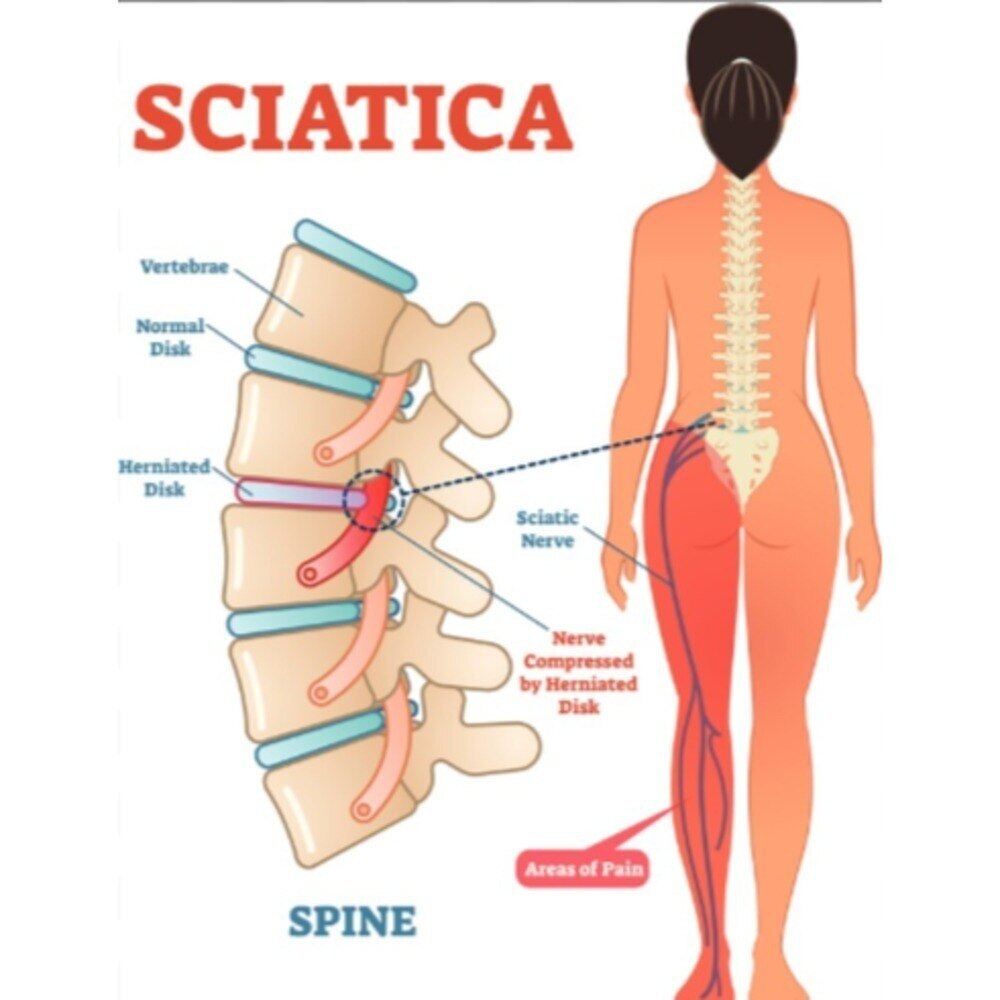
- True nerve-root sciatica usually travels from the lower back or buttock down one leg, with tingling, numbness, or weakness in a matching pattern. Coughing, sneezing, or sitting may worsen it.
- Isolated lower-back pain stays mainly in the back and lacks consistent leg numbness or objective weakness.
- Hip pain is often centred in the groin or outer hip and becomes worse with hip movement, standing, or lying on that side.
- A peripheral nerve problem follows a local nerve area, such as numbness over the outer shin or foot, without a typical back-to-leg pattern.
- Spinal stenosis commonly causes leg pain, heaviness, or numbness while standing or walking, improving when you sit or bend forward. Walking may become limited.
Improving symptoms, mild leg pain, or pain without neurological change is different from progressive weakness. Many new cases improve over several weeks without surgery, but persistent disabling symptoms need reassessment.
Lumbar disc and sciatica treatment for understanding when surgery may help in Pune should begin with matching symptoms to examination findings—not assuming every type of leg pain is sciatica or delaying emergency care for a routine consultation.
The treatment sequence before surgery: what to try and what to question
Most new sciatica improves over several weeks without surgery. Start with lumbar disc treatment options that protect movement: remain reasonably active, reduce activities that sharply increase leg pain, and avoid prolonged bed rest. Inactivity can delay recovery, reduce strength, and make normal activity harder.
Review is reasonable when disabling pain continues after suitable non-operative care, commonly around 6–12 weeks, or sooner if weakness worsens. Timing depends on symptoms, function, examination, and imaging—not a fixed calendar rule.
- Use appropriate pain relief. Ask what the medicine treats, the dose and duration, stomach, kidney, liver, blood-pressure and bleeding risks, interactions, sedation, and what to do if side effects occur.
- Begin a structured physiotherapy and exercise programme, adjusted to your symptoms and neurological findings.
- Ask about a neuropathic-pain medicine when burning, electric, shooting pain or persistent nerve pain limits sleep or rehabilitation.
- Discuss an epidural injection for selected acute, severe sciatica. It may provide short-term relief that supports rehabilitation or defers surgery, but it does not reliably remove a disc or guarantee that surgery will be avoided.
| Option | Main purpose | Key question |
|---|---|---|
| Activity modification | Maintain safe movement | Which activities should I change, and for how long? |
| Pain medicine | Reduce pain enough to function | What risks apply to my health and other medicines? |
| Physiotherapy and exercise | Restore strength and movement | What progression shows that treatment is working? |
| Neuropathic-pain medicine | Reduce persistent nerve pain | When will we stop if it causes sedation or fails? |
| Epidural injection | Short-term relief in severe acute sciatica | Is the benefit worth the procedural risks? |
How MRI findings become—or fail to become—a reason for surgery
An MRI disc abnormality explains symptoms only when it matches the patient’s story and examination. Disc bulges and degenerative changes are common in people without pain, so check the side and level against leg-dominant pain, numbness, weakness, altered reflexes, and nerve-tension signs.
MRI is not routinely needed at the first assessment of uncomplicated, improving sciatica. It becomes useful when red flags or progressive neurological deficits appear, symptoms remain persistently disabling, or the result could change treatment, such as an injection or operation.
The key question in lumbar disc and sciatica treatment when surgery helps is whether a compressed nerve is causing the disability. A surgical opinion becomes stronger when:
- Leg-dominant pain remains disabling despite suitable non-operative care, often over 6–12 weeks, and MRI confirms matching nerve-root compression.
- Muscle weakness is progressive, or examination shows a significant neurological deficit.
- Cauda equina symptoms occur, including new urinary retention or incontinence, loss of bowel control, or numbness around the genitals or inner thighs.
Surgery treats nerve compression and leg pain; improvement is less predictable for isolated low-back pain without objective radiculopathy. A lumbar microdiscectomy or discectomy can suit a selected single-level compression, but “disc protrusion” on a report alone is not an indication.
Routine fusion is not standard for uncomplicated disc herniation. It needs a separate reason, such as proven spinal instability or deformity, and degeneration alone deserves careful scrutiny.
What a sciatica surgery evaluation in Pune should cover
A sciatica surgery evaluation in Pune should begin with your symptom story, not the MRI report. Explain when symptoms began, which leg and areas are affected, how far pain travels, what worsens or relieves it, and whether walking, work, sleep, or daily tasks are limited.
The clinician should check gait, leg strength, reflexes, sensation, and nerve-tension signs, then compare those findings with the MRI images and not only the radiology report.
Bring:
- MRI or CT scan images and reports
- A symptom timeline, including changes in pain, numbness, or weakness
- Details of medicines, injections, physiotherapy, and exercise
- Relevant medical conditions and a list of regular medicines
Ask which nerve is compressed and whether the proposed operation targets leg pain, weakness, or both. Also ask what happens if you continue non-operative care, whether microdiscectomy or another procedure fits your findings, and the alternatives and risks.
A consultation with Dr Dilip Kiyawat can provide this specialist discussion, while the decision should remain shared and case-specific.
| Option | Purpose | Invasiveness, time, and trade-off |
|---|---|---|
| Consultation | Match symptoms, examination, and scans | Least invasive; guides the next step |
| Physiotherapy | Restore movement, strength, and function | Requires repeated sessions; avoids operative risks |
| Injection | Short-term pain relief to support rehabilitation | Minimally invasive; does not remove the disc |
| Surgery | Decompress a confirmed nerve | Most invasive; may relieve leg pain faster but carries operative risks |
This is practical lumbar disc and sciatica treatment for understanding when surgery may help in Pune, not a decision based on an MRI phrase alone.
Related items
 | Spine Surgery Prolapsed Lumbar Intervertebral Disc- Medical management The prolapsed lumbar intervertebral disc also referred to as slipped disc, sciatica, or just... View product → |
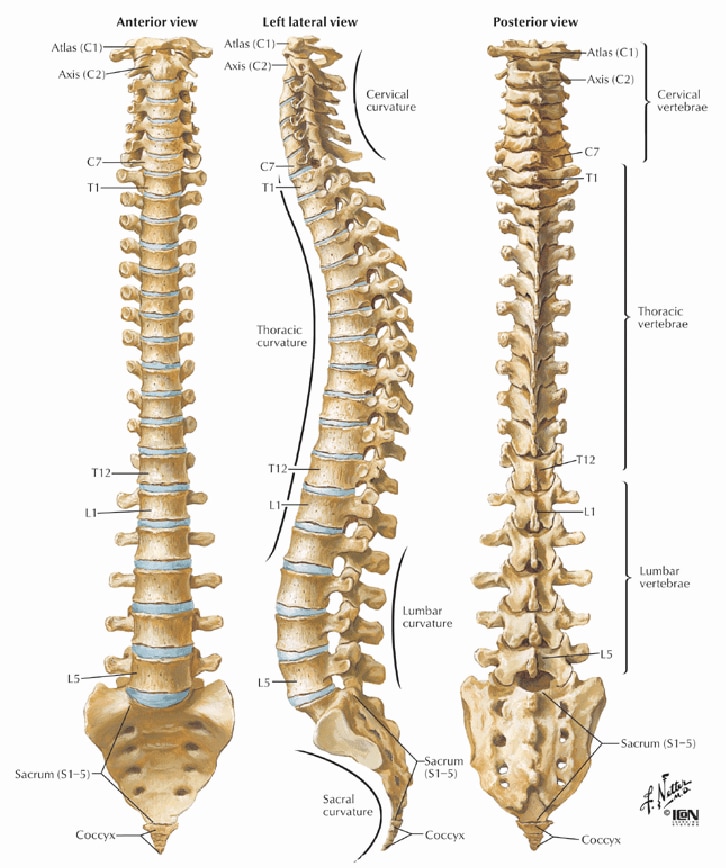 | Spine Surgery Dr. Dilip S. Kiyawat has wide experience in treating spinal disorders. View service → |
What recovery and surgical risk mean—and when surgery is the wrong choice
The practical trade-off in lumbar disc sciatica treatment when surgery helps is speed versus invasiveness. Non-operative care avoids operative risks but can prolong disabling pain; selected patients having a discectomy may gain faster leg-pain relief without guaranteed complete recovery.
After surgery, follow the surgeon’s current instructions rather than a fixed recovery promise. Most patients begin walking and increase activity gradually, but return-to-work planning depends on lifting, driving, sitting, bending, and other job demands. Rehabilitation still requires effort.
Discuss these risks before deciding:
- Infection, bleeding, anaesthetic complications, or blood clots
- Dural tear or cerebrospinal-fluid leak
- Nerve injury
- Recurrent disc herniation
- Persistent or returning leg symptoms
Removing compression does not immediately reverse established numbness or weakness, especially after prolonged nerve injury. Surgery also does not prevent future disc degeneration or every episode of back pain.
Surgery is the wrong first choice when symptoms are improving, mild symptoms remain manageable, pain is isolated to the back, or symptoms do not match nerve compression. A serious medical condition that increases operative risk may require optimisation or a different plan.
Lumbar disc treatment options should match the patient, examination, MRI, and work demands—not the scan alone.
Avoid these mistakes:
- Treating the MRI report instead of the person
- Staying in bed so long that strength and function decline
- Assuming surgery is the only effective treatment
- Delaying urgent assessment for new bladder or bowel problems, saddle-area numbness, or rapidly worsening leg weakness
Frequently asked questions
When does sciatica need urgent medical assessment?
Seek urgent assessment for new urinary retention or incontinence, loss of bowel control, numbness around the genitals or inner thighs, or rapidly worsening leg weakness. These symptoms can indicate cauda equina syndrome or serious nerve compromise.
What lumbar disc treatment options are tried before surgery?
Treatment can include activity modification, prescribed pain relief, physiotherapy, and selected injections. Ask what diagnosis each treatment targets, how long to try it, and what result would justify changing the plan.
Does an MRI showing a disc prolapse mean I need surgery?
No. Surgery becomes more reasonable when the MRI abnormality matches your leg symptoms and neurological examination, or when severe nerve compression causes urgent warning signs. An incidental disc bulge is not enough by itself.
What should a sciatica surgery evaluation in Pune cover?
The evaluation should review your symptoms, strength, sensation, reflexes, bladder and bowel function, MRI images, non-surgical treatments, surgical alternatives, expected recovery, complications, and the consequences of waiting.
When is sciatica surgery the wrong choice?
Surgery is a poor choice when MRI findings do not match your symptoms, pain has not had a reasonable non-surgical trial, symptoms are improving, or another condition better explains the pain. A second opinion can help when the decision remains unclear.
Related items
Brain Surgeon Here are numerous types of brain surgery. The type used is based on the area of the brain and the condition being treated. View product → |
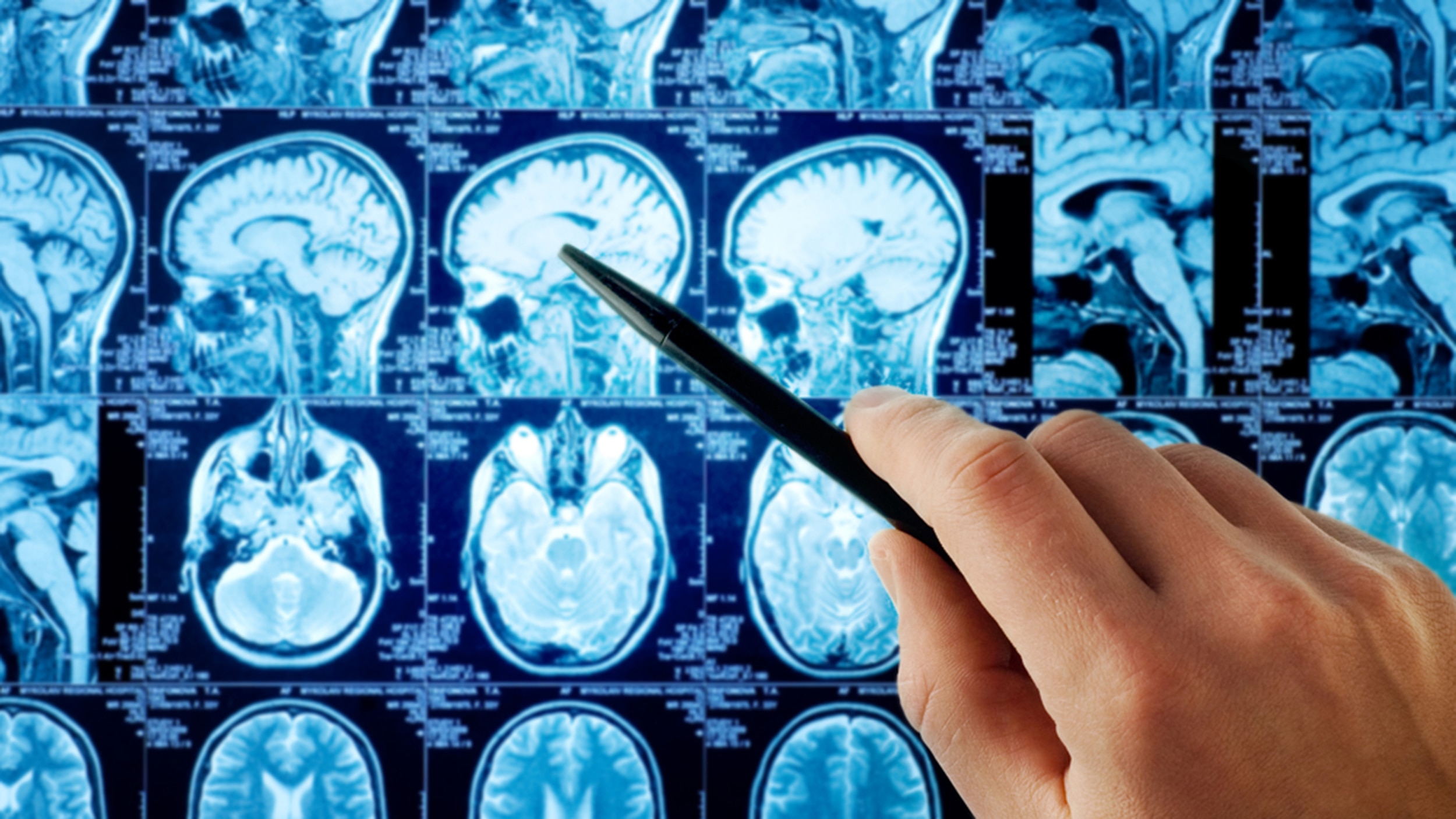 | TUMOR & CANCERS Brain Tumor & Cancer An Cerebral aneurysm or intracranial aneurysm is when the internal walls of the artery through which the blood flows in the brain becomes thin and... |
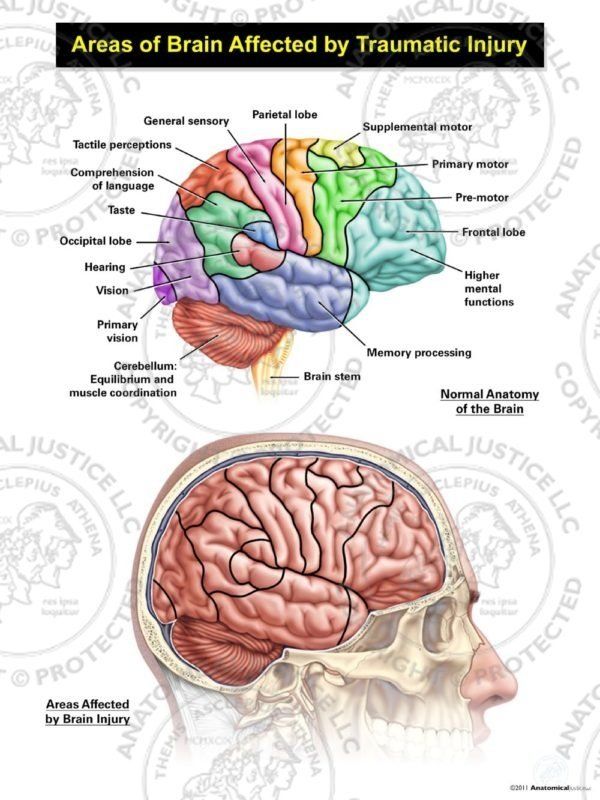 | Treatment of Head injury ₹1200 Management of head injuries 1. Extensive scalp laceration- . The bleeding is controlled by suturing the scalp. . View service → |
| Brain Surgery ₹1200 Brain tumours are abnormal growths of cells within the brain or the surrounding structures. View service → |