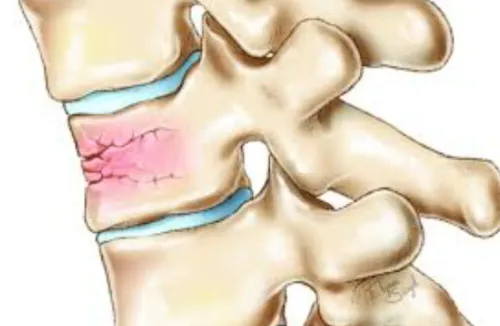

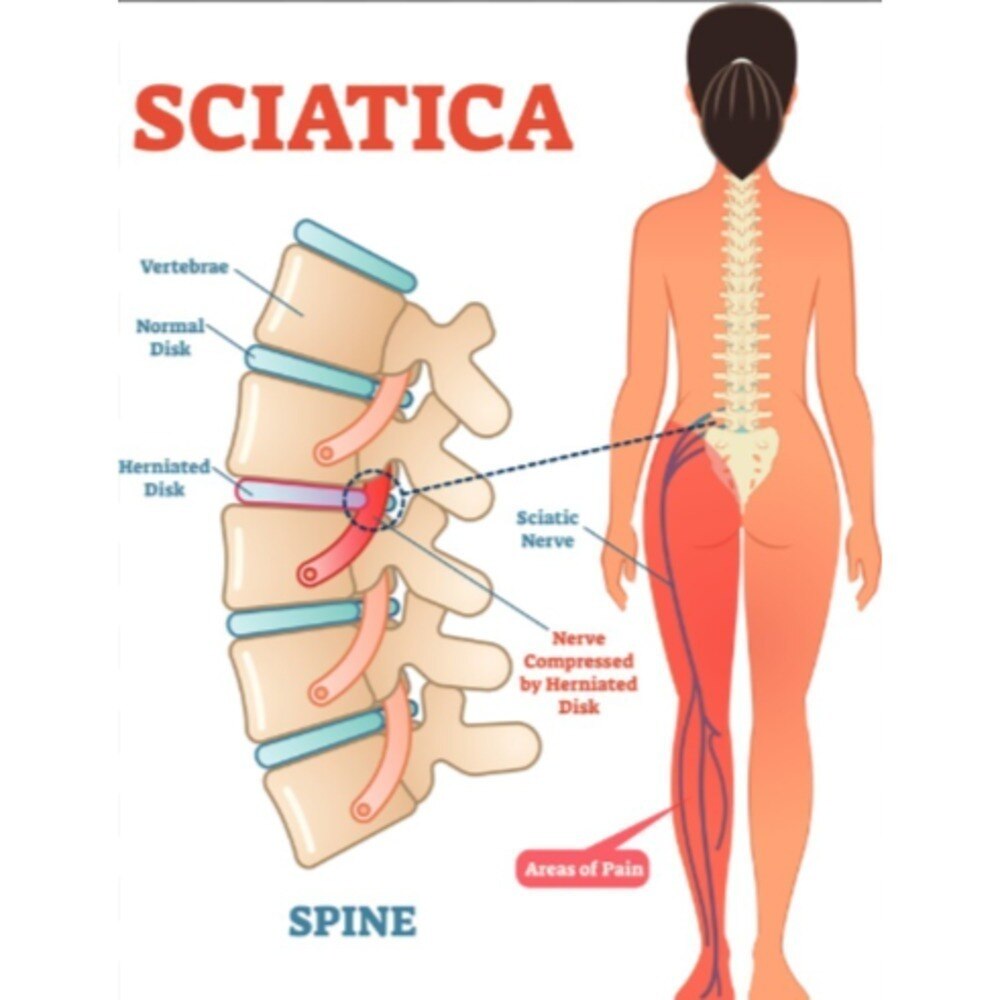
Radiating leg pain does not automatically mean you need an operation, but worsening weakness, saddle numbness, or bladder and bowel difficulty cannot wait for routine treatment. You will be able to compare conservative care with surgery, understand what an MRI must demonstrate, and prepare specific questions about timing, procedure, recovery, and follow-up.
Key takeaways
- Try conservative care when symptoms improve and strength remains normal.
- Seek urgent assessment for progressive weakness, bladder changes, or saddle numbness.
- Match MRI findings with your leg pain, examination, and symptom pattern.
- Compare surgery by expected benefit, recovery demands, and surgeon experience.
What does non-surgical treatment involve, and when is it reasonable?
Most uncomplicated sciatica improves over several weeks to a few months, making non-surgical lumbar disc and sciatica treatment reasonable when there is no progressive weakness or other urgent warning sign.
1. Stay active with short walks and normal daily movement, but reduce bending, heavy lifting, twisting, and any position that sharply increases leg pain. Prolonged bed rest causes deconditioning and delays recovery.
2. Use prescribed or appropriate pain relief, such as an anti-inflammatory or other analgesic when safe for you. A clinician or pharmacist should check risks including stomach ulcers, kidney disease, blood thinners, pregnancy, and drug interactions.
3. Begin structured physiotherapy with graded exercises for movement, strength, and nerve tolerance. Avoid forcing stretches that worsen shooting leg pain.
4. Set a review point, commonly within two to six weeks, and reassess function, pain, strength, and sensation rather than waiting indefinitely.
5. Consider an epidural steroid injection only for selected patients with severe radicular pain. It can provide short-term relief, but it does not remove a disc prolapse or guarantee that surgery will be avoided.
If leg pain remains substantially disabling despite an adequate treatment trial, conservative care is no longer providing enough benefit. Surgery becomes a reasonable discussion when examination findings and MRI show matching nerve compression, not because a scan merely says “bulging disc.”
Which sciatica symptoms require urgent assessment?
New bladder or bowel control problems, difficulty starting urination, or numbness around the saddle or genital area require urgent medical assessment. These symptoms can indicate cauda equina or major nerve compression, and waiting for routine physiotherapy or an elective appointment can be unsafe.
| Situation | Action | Reason |
|---|---|---|
| New loss of bladder or bowel control | Seek urgent assessment now | May indicate major nerve compression |
| Difficulty starting urination | Seek urgent assessment now | Urinary nerve function may be affected |
| Saddle or genital numbness | Seek urgent assessment now | This is a recognised cauda equina warning sign |
| Rapidly progressive weakness in one leg | Seek urgent assessment now | Ongoing compression can damage motor function |
| Severe weakness in both legs | Seek urgent assessment now | Bilateral involvement needs prompt evaluation |
| Rapidly worsening numbness, weakness, or walking difficulty | Seek urgent assessment now | Neurological deterioration should not wait |
Painful but stable sciatica without these warning signs is different: arrange clinical review and follow the agreed treatment plan rather than assuming emergency care is needed. Persistent numbness or weakness still deserves attention, even when pain improves, because nerve recovery can lag behind pain relief or remain incomplete.
Pain improvement alone does not prove that nerve function has recovered.
How do clinicians confirm that a disc is causing the leg symptoms?
A disc is more likely to cause leg symptoms when pain travels below the buttock in a nerve-root pattern, with tingling, numbness, or weakness in the same distribution. Ordinary low-back pain stays mainly around the lumbar area and does not follow a consistent nerve pathway.
- Test strength in movements linked to specific nerve roots, such as lifting the foot, extending the big toe, or standing on tiptoes. Compare both legs; weakness can support nerve compression even when pain has eased.
- Check reflexes and sensation. A reduced knee or ankle reflex, or numbness in a matching strip of skin, adds objective evidence.
- Watch you walk, rise from a chair, heel-walk, and toe-walk. These tasks can reveal foot drop, calf weakness, or pain-related limitation.
- Examine the hip and sacroiliac region. Restricted or painful hip movement can point to hip disease, while widespread symptoms in both feet may suggest peripheral neuropathy rather than one compressed lumbar root.
MRI is useful when symptoms persist, neurological findings appear, or surgery is being considered. The report must show a disc herniation, fragment, narrowing, or another compressive lesion at the level matching the painful, numb, or weak leg. A bulge or protrusion alone does not prove causation; these findings are common without symptoms.
How long should you try conservative care before discussing surgery?
A time-limited trial of conservative care often lasts several weeks to a few months because many cases improve without an operation. Continue activity within tolerable limits, use prescribed pain relief, and attend structured physiotherapy while tracking walking, sleep, leg pain, numbness, and strength.
Discuss surgery sooner if any of these findings appear:
- Progressive motor weakness, such as worsening foot drop or difficulty standing on your toes.
- Severe functional loss that prevents walking, working, sleeping, or basic daily activities.
- Persistent disabling radicular leg pain despite appropriate medication, activity modification, and physiotherapy.
- Emergency features such as new bladder or bowel difficulty, saddle numbness, severe weakness in both legs, or rapidly worsening neurological symptoms.
Pain can improve before nerve function returns. Persistent numbness or weakness therefore needs reassessment even when the pain is settling.
Lumbar disc surgery in Pune, or anywhere else, becomes a reasonable discussion when symptoms remain substantially disabling, examination findings persist, and MRI shows disc herniation or another compressive lesion at the matching nerve-root level. A disc bulge alone is not enough; the scan, symptoms, and examination must agree.
What are the surgery options, expected benefits, and recovery demands?
Microdiscectomy or discectomy removes the disc fragment pressing on a nerve root. Decompression is the broader goal: freeing the nerve, with or without removing bone or disc material. Fusion is a separate reconstructive operation for suitable instability, deformity, or another structural problem; a herniated disc alone does not automatically require fusion.
| Option | What it does | When it applies |
|---|---|---|
| Discectomy or microdiscectomy | Removes the offending disc fragment | Persistent, disabling leg pain with matching nerve compression |
| Decompression | Creates more space around the nerve | Compression from disc, bone, ligament, or combined causes |
| Fusion | Joins vertebrae to stabilise a painful or unstable segment | Confirmed instability, deformity, or another structural indication |
Surgery often relieves radiating leg pain and improves walking faster than continued non-surgical care, but it carries infection, bleeding, dural-tear, recurrent-disc, and nerve-injury risks. Relief is less predictable for isolated, long-standing low-back pain without clear nerve compression. Endoscopic, microscopic, and open methods describe access; a smaller incision does not guarantee a better result.
- Ask how long you will stay in hospital and whether same-day discharge is suitable for your operation and health.
- Keep the wound clean and follow instructions about dressings, bathing, fever, drainage, or increasing redness.
- Confirm when you may drive, lift, bend, return to desk work, or resume physically demanding work.
- Walk regularly as advised, then begin physiotherapy when cleared; persistent weakness or numbness can recover more slowly than pain.
How should you compare treatment decisions in Pune?
Compare the indication, not the clinic address: the same examination–MRI match should support sciatica treatment in Pune as elsewhere. Dr Dilip Kiyawat is one Pune neurosurgical option for evaluating complex spine conditions, but the provider’s name does not change when surgery is justified.
Ask the team:
- Does the examination match the MRI level, including pain pattern, weakness, reflexes, or numbness?
- What treatment have you tried, at what dose or intensity, and for how many weeks?
- Which symptom does the proposed procedure target: leg pain, weakness, numbness, or back pain?
- Is decompression enough, or is fusion supported by instability or deformity?
- What walking, driving, work, wound-care, and physiotherapy restrictions apply?
- What follow-up is planned, and what happens if symptoms recur?
| Option | Decision focus | Typical reason to choose it |
|---|---|---|
| Non-surgical care | Monitor improvement | Stable symptoms without progressive deficit |
| Decompression or discectomy | Free a matching compressed nerve | Persistent disabling leg symptoms |
| Fusion | Stabilise a structural problem | Confirmed instability or deformity |
Related items
 | Spine Surgery Dr. Dilip S. Kiyawat has wide experience in treating spinal disorders. View service → |
 | Spine Surgery Prolapsed Lumbar Intervertebral Disc- Medical management The prolapsed lumbar intervertebral disc also referred to as slipped disc, sciatica, or just... View product → |
Frequently asked questions
What does non-surgical treatment for lumbar disc sciatica involve?
It can include activity modification, prescribed pain relief, physiotherapy, exercises, and monitoring when there is no progressive weakness or urgent warning sign.
Which sciatica symptoms require urgent assessment?
Seek urgent medical assessment for worsening leg weakness, new bladder or bowel problems, numbness around the groin or inner thighs, or severe symptoms in both legs.
How do clinicians confirm that a disc is causing leg symptoms?
They compare your pain pattern and neurological examination with MRI findings. A disc bulge alone does not prove it is causing sciatica.
How long should you try conservative care before discussing surgery?
Discuss surgery when symptoms remain disabling despite an appropriate period of conservative care, or sooner if progressive weakness or another urgent warning sign appears.
What spine surgery options are used for lumbar disc sciatica?
A surgeon may discuss lumbar discectomy or microdiscectomy when a disc fragment compresses a nerve. The operation, expected benefit, and recovery depend on your findings.