

A spinal fracture can damage the spinal cord or nerve roots after the initial impact, so the first decision is whether to call an ambulance or arrange a consultation. You will learn how to recognise danger signs, protect the injured person during transport, understand CT and MRI findings, and assess the emergency capability of a spine specialist in Pune.
Key takeaways
- Call an ambulance for weakness, numbness, deformity, breathing trouble, or reduced consciousness.
- Keep the patient still; do not let them walk, sit up, or travel in a car.
- A normal X-ray does not rule out a fracture or spinal-cord injury.
- Choose a hospital with emergency CT, MRI, spine surgery, and intensive-care support.
When a suspected spine fracture needs an ambulance
Call an ambulance instead of arranging a routine appointment if a spinal injury causes neurological symptoms, severe pain, deformity, breathing trouble, or reduced consciousness. Spinal-cord damage can worsen after the initial injury, so do not make the person walk or drive them to a clinic.
Call emergency services for:
- New weakness, paralysis, or inability to walk
- Numbness in both legs or numbness around the saddle area
- New loss of bladder or bowel control
- Severe midline neck or back pain
- Visible deformity of the neck or spine
- Pain that is worsening after the injury
- Breathing difficulty after a high cervical injury
- Loss of consciousness, even if the person is awake again
- New loss of sensation after a fall, crash, or blow
A painful injury without these warning signs still needs same-day medical assessment, especially if pain persists, movement is limited, or the person cannot safely turn or stand. Waiting several days for a routine consultation is unsafe when symptoms are worsening or neurological changes appear.
Do not dismiss neck pain after a minor fall in an older adult. Osteoporosis can weaken bone, and an ankylosing spinal disorder can make the spine fracture like a long rigid lever. A person may initially move all four limbs despite a serious cervical fracture.
Urgent spine fracture treatment does not always mean immediate surgery, but emergency assessment must establish whether the injury is stable and whether the spinal cord or nerves are at risk.
What to do before help arrives and how to transport the patient
Call emergency services and describe the crash or fall, pain location, weakness, numbness, breathing, and responsiveness. Tell the dispatcher that the patient needs urgent spine trauma treatment in Pune.
Keep the head, neck and back aligned in a neutral position, support the head with your hands or rolled towels, and prevent unnecessary movement until trained help arrives.
- Do not sit the person up or let them walk.
- Do not twist the neck or back, straighten a visible deformity, or remove a helmet.
- Do not lift the patient into a private car.
- Watch breathing and responsiveness continuously, and follow the dispatcher’s instructions if either changes.
A rigid neck collar is not automatically appropriate for every patient. Trained clinicians choose immobilization after an individual risk assessment; forcing a collar onto the wrong patient can cause pain, pressure injury, or airway problems.
Ambulance transport is safer because trained staff can use spinal precautions, move the patient with coordinated handling, monitor breathing and neurological responsiveness, and select a planned route to a facility with urgent imaging and emergency care.
| Transport method | Safety advantage | What can go wrong |
|---|---|---|
| Ambulance | Trained handling, spinal precautions, monitoring and planned destination | Delayed only if emergency services are not called promptly |
| Private car | No clinical monitoring or coordinated lifting | Bending, twisting, worsening cord injury, or delay at an unsuitable facility |
| Walking or sitting upright | Avoids no risk and does not prove the spine is stable | Collapse, increased pain, or neurological deterioration |
How the fracture level and cause change the neurological risk
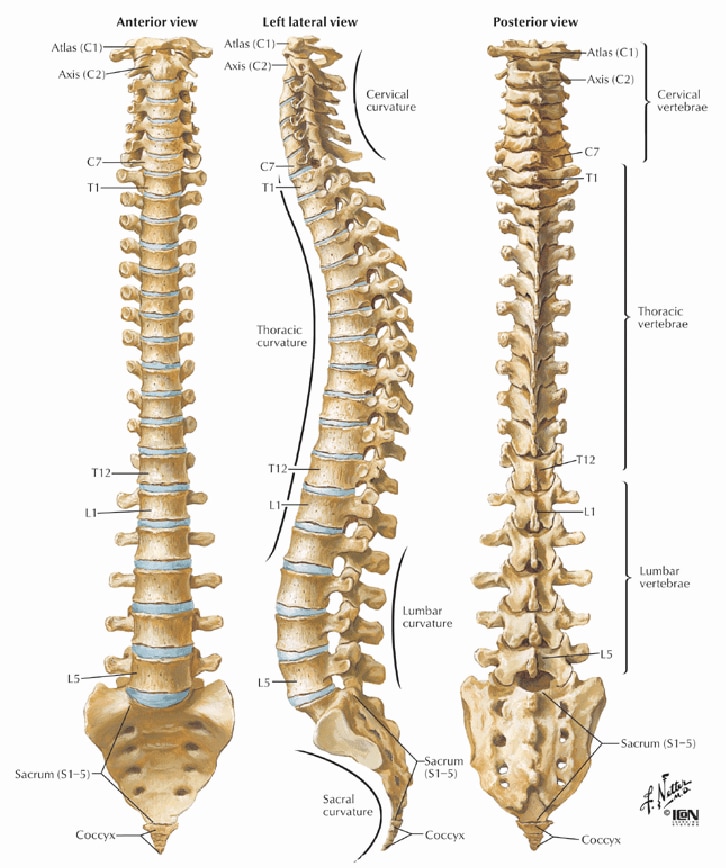
A cervical fracture can injure the spinal cord, and a high cervical injury can also disrupt the nerves that control breathing. A thoracic fracture can affect sensation, strength and control in the trunk and legs, while a lumbar fracture can involve the lower spinal cord, cauda equina or individual nerve roots.
The fracture pattern matters as much as its location:
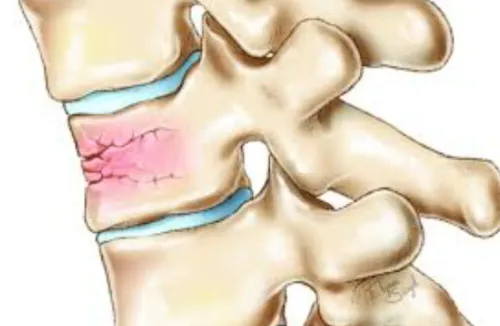
- Compression fracture: the front of a vertebra collapses, often after a fall or osteoporosis-related low-impact injury.
- Burst fracture: the vertebra breaks in several directions, with fragments potentially entering the spinal canal.
- Flexion-distraction fracture: the spine pulls apart through the bone, disc or supporting ligaments.
- Fracture-dislocation: one vertebra shifts out of alignment, creating a high risk of cord or nerve injury.
Road crashes, falls, sports injuries and osteoporosis can produce different patterns from similar-looking pain. Pain intensity cannot prove that a fracture is stable; a less painful injury can still threaten the spinal canal.
Report these symptoms urgently because they can signal spinal-cord or cauda-equina involvement:
- New leg weakness, heaviness or difficulty walking
- Numbness around the saddle area
- Loss of bladder or bowel control
- Increasing numbness or loss of coordination
Moving your limbs at first does not rule out a serious injury. Persistent neck or back pain after a minor fall deserves assessment, especially with osteoporosis or an ankylosing spinal disorder. A well-experienced neurosurgeon managing a spine fracture in Pune should interpret the CT pattern alongside repeated neurological examinations.
How emergency doctors confirm the injury when an X-ray looks normal
A normal X-ray does not reliably exclude a clinically important cervical fracture after significant trauma. Emergency doctors first perform and document a neurological examination: limb strength, sensation, reflexes, pain location, visible deformity, bladder or bowel symptoms, and walking ability when walking is safe.
| Test | What it shows | Main limitation |
|---|---|---|
| X-ray | Selected bone views | A normal result can miss important cervical fractures |
| CT | Fracture lines, displacement and bone patterns | Does not fully show cord, discs, ligaments or epidural compression |
| MRI | Spinal cord, nerve roots, discs, ligaments and epidural compression | Takes longer and is used for specific clinical concerns |
For an adult with suspected acute cervical trauma, CT is commonly the first detailed scan when imaging is indicated because it detects bone injury quickly. MRI becomes important when weakness, sensory change, abnormal reflexes or another neurological finding suggests spinal-cord or nerve-root injury, or when doctors suspect ligament, disc or epidural compression.
The Canadian C-Spine Rule and NEXUS help clinicians decide who needs imaging; they do not replace examination. Altered consciousness, intoxication or a distracting injury can make a normal examination unreliable, so clinicians should not clear the spine from symptoms alone.
For urgent spine fracture treatment and spine trauma treatment in Pune, ask how neurological changes are recorded and whether CT, MRI, specialist review, rehabilitation and complication monitoring are available. Equal pain does not mean equal stability: the CT pattern must be interpreted with the examination.
How to choose a neurosurgeon and hospital for urgent fracture care
“Well experienced” means proven acute trauma decision-making, not simply many years in practice. Emergency fracture care does not automatically mean immediate surgery: a stable fracture without neurological compromise may need pain control, selected bracing, safe mobilisation instructions and follow-up imaging.
| Option | What it means | When it applies |
|---|---|---|
| Non-operative care | Analgesia, selected brace, mobilisation guidance and imaging follow-up | Stable fracture without cord or nerve compromise |
| Decompression | Removing pressure from the spinal cord or nerve roots | Compression, progressive neurological deficit or selected severe injury |
| Stabilisation | Restoring and holding spinal alignment | Major deformity, instability, open injury or failed appropriate non-operative care |
The 2024 AO Spine/Praxis guideline recommends offering decompression within 24 hours for acute traumatic spinal-cord injury when medically feasible. That conditional recommendation does not mean every fracture requires surgery within 24 hours.
Ask a well experienced neurosurgeon spine fracture in Pune:
- Do you personally manage acute cervical and thoracolumbar trauma?
- Who examines patients overnight, and how are strength, sensation, reflexes and bladder or bowel symptoms documented?
- Are urgent CT and MRI, anaesthesia, ICU care and an operating team available?
- What transfer plan applies if this hospital cannot provide spinal surgery or intensive care?
- How will rehabilitation and monitoring address clots, chest complications, pressure injuries, pain and bladder or bowel dysfunction?
You can check registration through the National Medical Commission Indian Medical Register, but registration alone proves neither trauma availability nor outcomes. Dr Dilip Kiyawat should therefore be assessed alongside the hospital’s emergency infrastructure, multidisciplinary team and follow-up plan. High-dose methylprednisolone should not be routinely given before hospital care or in the emergency department.
Related services
 | Spine Surgery Dr. Dilip S. Kiyawat has wide experience in treating spinal disorders. View service → |
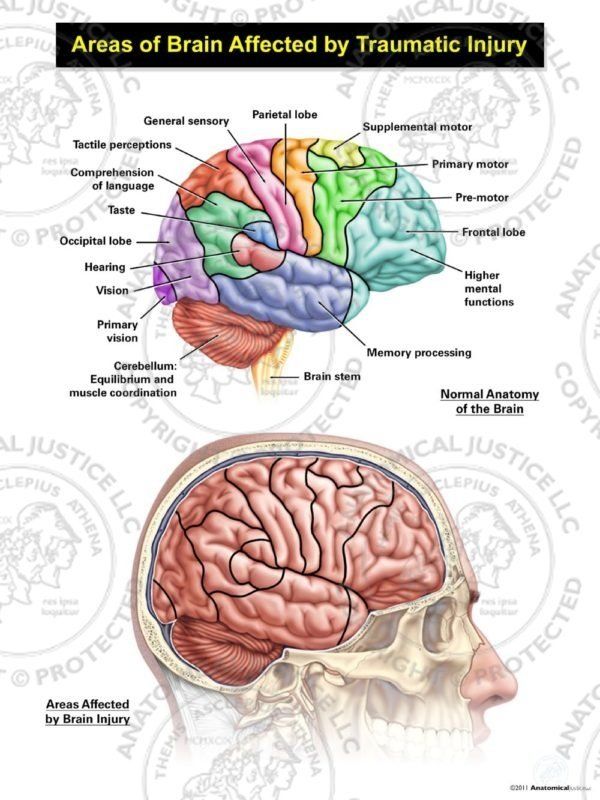 | Treatment of Head injury ₹1200 Management of head injuries 1. Extensive scalp laceration- . The bleeding is controlled by suturing the scalp. . View service → |
Frequently asked questions
When does a suspected spine fracture need an ambulance?
Call an ambulance after a serious fall, crash, or blow when the person has severe neck or back pain, weakness, numbness, loss of bladder control, visible deformity, breathing difficulty, or reduced consciousness. Do not make them walk or drive them to a clinic.
What should you do before an ambulance arrives?
Keep the person still in the position found, support the head without twisting the neck, and monitor breathing and consciousness. Do not straighten the spine, remove a helmet, give food or drink, or move the person unless the scene is unsafe or resuscitation is required.
Can an X-ray miss a spine fracture?
Yes. X-rays can miss small, complex, upper-neck, spinal-cord, or ligament injuries. Emergency doctors use CT for detailed bone images and MRI to assess the spinal cord, discs, ligaments, bleeding, and nerve compression.
How do you choose urgent spine fracture care in Pune?
Choose a hospital with 24-hour emergency care, CT and MRI access, anaesthesia, intensive-care support, and a neurosurgeon or spine surgeon available for urgent assessment. Ask how the team will maintain spinal precautions during imaging, transfers, and treatment.