
Recovery after spine surgery does not end when you leave the hospital: wound care, medication changes, neurological checks, activity limits and later imaging all need a procedure-specific plan. By the end, you will know what to expect at each stage, what to take to appointments and which symptoms require urgent assessment rather than a routine review.
Key takeaways
- Follow your discharge instructions for dressings, bathing, lifting, walking and medicines.
- Expect follow-up timing to vary by the operation, wound healing and nerve recovery.
- Report new weakness, loss of bladder control, fever or wound drainage urgently.
- Choose follow-up care that measures pain, strength, sensation, walking and daily function.
What continuing care covers after you leave the hospital
Continuing care starts with your discharge summary: follow its dressing, bathing, lifting, walking and medication instructions rather than an internet timetable. This spine surgery recovery care begins at home and changes as the wound, nerves and daily function improve.
1. Keep the dressing and incision exactly as instructed. Check for increasing redness, swelling, drainage, pus or wound separation. Do not apply creams, powders or antiseptics unless the surgical team tells you to use them.
2. Review every medicine before taking it. Opioids can cause sedation, constipation and unsafe driving; take them only as prescribed and ask about tapering. Ask before restarting aspirin, clopidogrel, warfarin, apixaban or anti-inflammatory medicines. Do not drive while pain or medication impairs alertness.
3. Walk short distances early, practise safe bed and chair transfers, keep a supported posture and choose a comfortable sleep position. Increase daily activity gradually. Formal physiotherapy starts or progresses when the operation, neurological status, wound healing and surgical restrictions make it appropriate.
4. Track more than pain: record walking ability, arm or leg strength, sensation, balance, sleep, bowel and bladder function, medication effects and routine tasks. Pain can persist while an irritated nerve recovers, so worsening weakness, sensation or function matters more than pain alone and requires prompt advice.
A follow-up timeline that changes with the operation
There is no universal spine surgery follow-up schedule. Your discharge plan should name the first wound review, suture or staple removal date, medication checks, activity limits and any later imaging. That plan drives spine surgery recovery care more reliably than an internet timetable.
A practical operation-specific checklist includes:
- Lumbar discectomy or decompression: walk early and review leg pain, sensation and strength at the first assessment. Delay driving, heavy lifting and strenuous exercise until you can move safely and pain medicines no longer impair alertness.
- Laminectomy without fusion: expect restrictions based on wound healing, neurological findings and function; they are not automatically the same as fusion restrictions.
- Spinal fusion: symptom relief can come before the vertebrae biologically fuse. Later X-rays or other imaging may assess hardware, alignment and fusion maturation over several months.
- Cervical surgery: report changes in arm strength, hand function, balance, swallowing or neck-wound symptoms at review.
- Trauma surgery: plan for closer neurological and implant checks because the injury and hardware both require monitoring.
- Tumour surgery: coordinate neurological examinations with oncology appointments and planned imaging.
Ask before discharge who removes the sutures or staples, which symptoms require an earlier review and when imaging is due. Feeling better does not prove a fusion is complete, while early soreness does not prove failure. Use your operating surgeon’s restrictions rather than substituting a generic spine surgery follow up timeline.
How the surgeon measures recovery at each review
A meaningful spine surgery follow up measures function, not just pain. The spinal neurosurgeon compares your current symptoms with your preoperative baseline and examines whether nerves, muscles and daily movement are recovering as expected.
The review usually covers:
- Pain pattern, including location, triggers and change since surgery
- Numbness or altered sensation
- Arm or leg strength
- Gait, balance and transfers
- Bowel and bladder function
- Wound condition
- Sleep quality
- Medication side effects
- Walking, dressing, bathing and other daily tasks
The neurological examination matters as much as an X-ray or MRI. Bring your discharge summary, operative report, implant card or hardware details, complete medication list, and new imaging on a disc or through the imaging system. Also bring a symptom diary: record walking distance, pain changes, weakness, fever, wound drainage and medicine use.
Routine imaging is not automatically needed at every review. It becomes more useful when recovery is unexpectedly poor, symptoms worsen, or the surgeon needs to assess fusion, spinal alignment or hardware. An incidental scan finding should not determine treatment without matching examination findings and symptoms.
Physiotherapy progression should follow the operation, neurological examination, wound healing and written restrictions. Advancing exercises because pain has improved can strain a healing repair, while delaying movement unnecessarily can reduce strength and independence.
Which postoperative symptoms need urgent attention
Persistent pain does not by itself show that surgery failed. Nerves can take time to recover after decompression, while muscle pain and altered movement can temporarily add to your original symptoms. A change in strength, sensation, walking, or bladder and bowel function demands faster action during spine surgery recovery care than pain alone.
| Symptom | Action | Why it matters |
|---|---|---|
| New or worsening arm or leg weakness, difficulty walking, saddle numbness, or loss of bladder or bowel control | Seek urgent medical assessment; do not wait for routine spine surgery follow up | These changes can indicate worsening nerve or spinal-cord compromise |
| Fever, increasing wound redness or swelling, pus, other drainage, wound opening, or severe escalating pain | Contact the surgical team promptly | These findings can indicate infection or another postoperative complication |
| Clear fluid from the incision or a severe headache that worsens when upright | Contact the surgical team promptly | This pattern can indicate a cerebrospinal-fluid leak |
| Breathing difficulty, sudden chest pain, or a swollen, painful calf | Use local emergency services immediately | These symptoms can signal a blood clot or pulmonary embolism |
For severe symptoms, call the hospital’s emergency number or your local emergency services rather than leaving a message for the next scheduled appointment. Keep the discharge summary and medication list with you, and tell the clinician when the symptom began, whether it is worsening, and which operation you had.
How to choose continuing care from a spinal neurosurgeon in Pune
Choose continuity of care, not only a diagnosis on the referral. A spinal neurosurgeon should know what operation was performed, what the examination shows now, and which restrictions protect healing. That connection matters most when surgery took place elsewhere.
| Care question | What a clear answer includes | Why it matters |
|---|---|---|
| Urgent problems | Named contact for new weakness, bladder or bowel changes, and wound problems | You know where to go without waiting for routine review |
| Records | Review of the operative report, discharge summary and implant card or hardware details | The diagnosis alone cannot define implant or fusion follow-up |
| Imaging | The scan type, timing and location, with access to prior images | Unplanned delays can obscure hardware, alignment or recurrent compression |
| Support | Direct routes to physiotherapy, pain management and emergency neurological assessment | Recovery needs more than an X-ray and pain prescription |
Ask for written instructions covering:
- Lifting limits and when they change
- Driving, including medication-related alertness restrictions
- Bathing and wound care
- Return to work and exercise
- Medication changes, including opioids and when to restart aspirin, clopidogrel, warfarin, apixaban or anti-inflammatory drugs
Your spine surgery follow up should track strength, sensation, gait, bowel and bladder function, wound healing, sleep, medication effects and daily activities. A consultation with Dr Dilip Kiyawat can be assessed by these same questions, particularly after surgery elsewhere.
The right clinician builds one procedure-specific spine surgery recovery care plan in Pune from the operation, neurological examination, wound findings, imaging and functional progress.
Related product
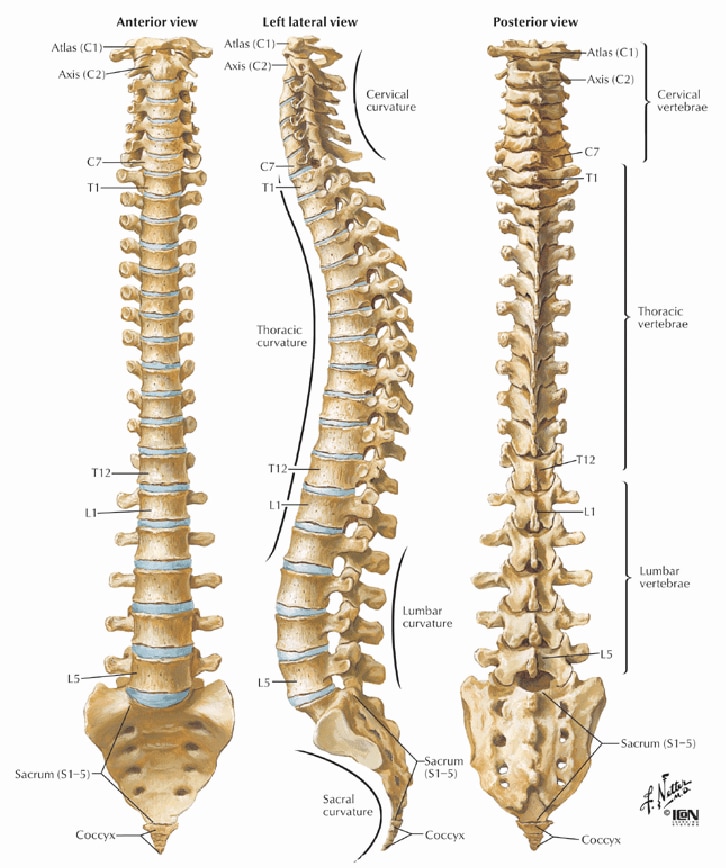 | Spine Surgery Spine Surgeon in Pune Dr. Dilip S. Kiyawat works as Neurosurgeon at Jehangir Hospital, Pune, Maharashtra, India. He completed his M.Ch.(Neuro). View product → |
Frequently asked questions
What does continuing care cover after spine surgery?
It covers wound checks, dressing and bathing guidance, medication review, activity limits, walking progress, pain control and changes in nerve function.
When should you attend a spine surgery follow-up?
The timeline depends on the operation and your recovery. Use the appointment date in your discharge summary rather than a generic internet schedule.
How does a spinal neurosurgeon measure recovery?
Reviews compare pain, muscle strength, sensation, reflexes, walking, wound healing and your ability to complete daily activities.
Which symptoms need urgent attention after spine surgery?
Seek urgent medical advice for new or worsening weakness, loss of bladder or bowel control, fever, increasing wound redness, wound drainage or severe worsening pain.