
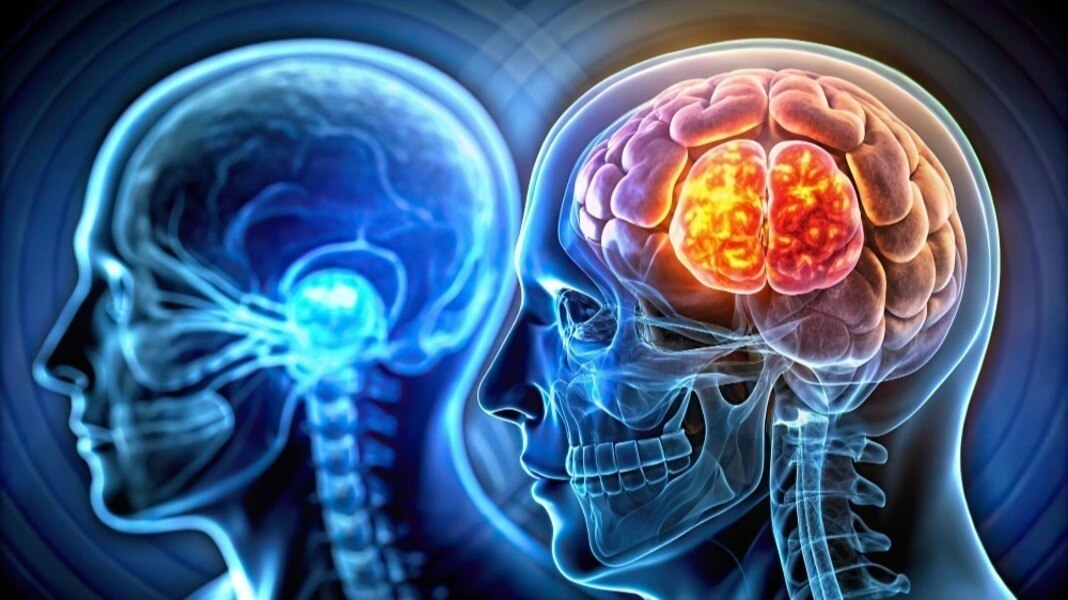
Brain surgery begins well before you enter an operating room: the team confirms the diagnosis, maps the safest route, reviews your medicines and explains alternatives. By following the process from referral to discharge, you can prepare questions, understand what you may experience and recognise which parts depend on your condition and procedure.
Key takeaways
- Bring MRI and CT discs, reports, discharge summaries and a complete medicine list.
- Record when symptoms began, how they changed and what makes them better or worse.
- Ask which tests confirm the diagnosis and what happens if you do not have surgery.
- Get written instructions for medicines, wound care, warning signs and follow-up appointments.
The first appointment: referral, symptoms and neurological examination
A brain surgeon consultation in Pune starts with your symptom timeline: when headaches, seizures, weakness, vision changes, balance problems, memory changes or altered behaviour began, how they progressed, and what worsens or relieves them. Bring MRI and CT discs, written reports, blood-test results, discharge summaries and a complete medicine list.
Tell the surgeon about warfarin or apixaban, aspirin or clopidogrel, diabetes, seizures, allergies, previous anaesthesia problems, and heart or lung disease. Do not stop an anticoagulant or antiplatelet medicine unless the prescribing clinician and surgeon give you a specific plan.
The neurological examination checks strength, sensation, reflexes, coordination, walking, vision, eye movements, speech and cognition. The surgeon reviews the images directly, identifies the treatment goal, and explains the available path:
| Option | What it involves | When it may apply |
|---|---|---|
| Observation | Repeat examination and imaging | Stable findings with acceptable risk |
| Medication or radiation | Treat symptoms or control selected disease | When open surgery offers greater risk |
| Endovascular treatment | Treat a vessel through a catheter | Aneurysms or vascular malformations |
| Biopsy or open surgery | Obtain tissue or reach the target | Diagnosis, pressure relief or removal |
Ask what happens if complete removal is unsafe, who provides follow-up, and which symptoms require urgent help.
Tests and planning: deciding whether and how to operate
The team chooses an operation by matching the suspected diagnosis with the target’s position beside blood vessels, language areas, movement areas and white-matter pathways. This is the central decision in the brain surgery process in Pune, and it can lead to observation, medication, radiation or endovascular treatment instead of open surgery.
| Test | What it shows | How it guides treatment |
|---|---|---|
| MRI with contrast | Tumours, inflammation and other lesions | Defines the target and its margins |
| Diffusion or tract imaging | White-matter pathways | Helps select a route that avoids important connections |
| CT | Bone, acute blood and swelling | Identifies urgent problems and skull-related access issues |
| CT angiography, MR angiography or digital subtraction angiography | Aneurysms, arteriovenous malformations and other vessels | Determines whether catheter treatment or vessel repair is safer |
| Functional MRI or EEG | Language or movement areas; electrical activity in epilepsy | Supports brain mapping and seizure planning |
Blood counts, kidney function, clotting tests and blood grouping help the anaesthetist plan bleeding and medication risks. The procedure might be a craniotomy, stereotactic biopsy, endoscopic operation, shunt, minimally invasive access, catheter treatment or focused radiation.
For a lesion near speech or movement areas, an awake craniotomy allows selected testing while you receive anaesthesia and pain control. Dr Dilip Kiyawat can be one option; verify registration, qualifications, hospital facilities and postoperative coverage before consenting.
Admission, consent and anaesthesia before the operation
The brain surgery steps in Pune begin with admission the day before or early on the morning of surgery. Staff confirm your identity, diagnosis, planned side and procedure. Your surgeon discusses expected benefit, alternatives and operation-specific risks before recording consent; a generic risk percentage cannot predict your personal outcome.
Risks discussed can include:
- Bleeding, infection, seizures and blood clots
- Anaesthesia complications, stroke, swelling and cerebrospinal-fluid leakage
- New or worsened difficulty with speech, strength, sensation, vision, memory, balance or personality
Your surgeon and prescribing clinician decide which medicines to continue, pause or restart. Never stop warfarin, apixaban, aspirin or clopidogrel on your own. Follow the hospital’s fasting instructions exactly; general anaesthesia requires an empty stomach.
Staff check allergies, blood tests and previous anaesthesia reactions, insert an intravenous line and prepare your scalp. Hair may be clipped rather than fully shaved.
| Anaesthesia plan | What you experience | Common preparation |
|---|---|---|
| General anaesthesia | Unconscious, with breathing support and pain control | Monitoring, intravenous medicines; arterial or urinary catheter when needed |
| Awake procedure | Anaesthesia and pain control during selected brain mapping | Testing speech, movement or other functions while awake |
The anaesthetist explains monitoring, pain control and any planned catheter or blood products. New imaging, examination findings or safety concerns can change the final plan.
Inside the operating room: the main brain surgery steps
The brain surgery process in Pune begins in the operating room with safe positioning, anaesthesia and continuous monitoring. The main brain surgery steps in Pune then depend on whether the goal is to remove tissue, obtain a biopsy, stop bleeding, relieve pressure or treat a blood vessel.
1. Staff position and secure you so the surgeon can reach the target without compressing nerves or pressure points. Anaesthesia begins, while monitors track breathing, blood pressure, heart rhythm, oxygen, temperature and selected neurological functions.
2. The team cleans your scalp with antiseptic solution and covers you with sterile drapes. The surgeon marks the planned incision before making it.
3. During a craniotomy, the surgeon makes small skull openings and connects them to create a bone flap. Navigation and imaging guide the route and help avoid important brain structures.
4. The surgeon opens the brain’s protective covering, reaches the target and performs the planned treatment. This may involve removing tissue, taking a biopsy, repairing a vessel, draining blood or relieving pressure; the team controls bleeding throughout.
5. A stereotactic needle may obtain a small biopsy without a large opening. An endoscope can treat selected fluid-flow problems, a catheter can reach vessels through the groin or wrist, and focused radiation requires no conventional craniotomy.
6. At closure, the surgeon replaces or secures the bone flap when appropriate, closes the coverings and scalp, applies a dressing and transfers you to recovery or intensive care.
Recovery, monitoring and discharge from hospital
After brain surgery, you recover in a recovery area or intensive care, where nurses repeat neurological checks and monitor breathing, blood pressure, pupils, limb strength, speech and alertness. This monitoring is a routine part of the brain surgery process in Pune and elsewhere.
1. Expect a dressing, drain, intravenous medicines, oxygen or a urinary catheter. Staff treat pain and nausea, and order a CT or MRI when the procedure or your symptoms make postoperative imaging useful.
2. The team decides when you can drink, eat, sit up and walk safely. A physiotherapist, occupational therapist or speech-language therapist may assess you before discharge.
3. Recovery has no single timetable. Tumour location, aneurysm treatment, trauma severity, procedure type and neurological status affect your hospital stay and return to work, driving and normal activity. Fatigue, headache, slowed thinking, mood changes, balance difficulty or temporary worsening of neurological symptoms can continue after the wound improves.
Pathology and molecular results may lead to radiation, chemotherapy, targeted treatment, surveillance MRI or another intervention. Removing a tumour does not always cure the disease; surgeons may leave tissue to protect speech, movement or memory.
Before discharge, obtain written medicine, wound-care, activity, seizure and follow-up instructions, plus an emergency contact. Ask urgently about fever, worsening drowsiness, a new seizure, weakness, speech difficulty, repeated vomiting, severe headache, wound drainage or clear fluid leakage.
Questions to settle before consent and after discharge
Your plan is ready only when the brain surgeon in Pune can name the diagnosis, intended benefit, alternatives and consequence of delaying treatment. During a brain surgeon consultation in Pune, ask who will provide follow-up and emergency cover.
| Treatment option | What to clarify | Main trade-off |
|---|---|---|
| Open surgery | What will be removed or repaired? | Better access, but greater wound and neurological risk |
| Biopsy | Is tissue diagnosis enough to guide treatment? | Smaller procedure, but it may not treat the condition |
| Catheter treatment | Which vessel or bleeding problem is targeted? | No large skull opening, but vessel complications remain possible |
| Endoscopy | Is a fluid pathway or selected lesion reachable? | Smaller access, but limited reach |
| Focused radiation | Is surgery unsuitable or unnecessary? | No conventional incision, but results are delayed |
Ask whether the target may remain partly untreated to protect speech, movement, memory or vision. Confirm intensive-care access, the out-of-hours emergency clinician, pathology and molecular-test reporting dates, and available physiotherapy, occupational therapy, speech-language therapy or neuropsychology.
Get written plans for restarting anticoagulants or antiplatelets, driving, work, exercise, wound review and repeat scans. Verify the doctor through the National Medical Commission’s Indian Medical Register and the Maharashtra Medical Council.
Seek urgent advice for fever, worsening drowsiness, a new seizure, weakness or speech difficulty, repeated vomiting, severe headache, wound drainage or clear fluid leakage. Do not wait. The discharge sheet must give a direct number and say whether to call the surgical team or emergency services.
Frequently asked questions
What should I bring to a brain surgeon consultation in Pune?
Bring MRI and CT discs, written reports, blood-test results, discharge summaries and a complete list of medicines. Also prepare a timeline of symptoms, including when they began, how they progressed and what worsens or relieves them.
How do doctors decide whether brain surgery is necessary?
The surgeon combines your symptoms and neurological examination with imaging, blood tests and other diagnostic results. The discussion covers whether surgery is appropriate, the proposed approach, expected benefits, risks and alternatives.
What happens before brain surgery?
Before surgery, the hospital completes admission checks, confirms the procedure and surgical site, obtains informed consent and assesses you for anaesthesia. Tell the team about allergies, medicines, previous operations and medical conditions.
What happens after brain surgery and before discharge?
The team monitors your neurological status, pain, wound, movement and other vital signs during recovery. Before discharge, ask about medicines, wound care, activity restrictions, warning signs, follow-up appointments and when to return to hospital.