
An abnormal scan or neurological diagnosis is the start of a treatment decision, not automatic proof that you need brain surgery. You will learn how to judge urgency, compare surgery with other options, prepare for consultation, and assess whether a neurosurgeon and hospital can provide the care your diagnosis requires.
Key takeaways
- Confirm the diagnosis explains your symptoms before considering surgery.
- Ask whether observation, medication, radiation, endovascular treatment, or rehabilitation could work.
- Seek urgent care for sudden weakness, seizures, loss of consciousness, or rapidly worsening symptoms.
- Take scans, reports, medication details, and written questions to your consultation.
What should happen between a neurological diagnosis and a surgical recommendation?
A diagnosis is the starting point, not automatic proof that surgery is needed. Before consent for brain surgery after neurological diagnosis, the neurosurgeon should establish whether the finding explains your symptoms and whether an operation offers more benefit than observation, medication, radiation, endovascular treatment, or rehabilitation.
- Review the symptom timeline, including onset, progression, seizures, headaches, weakness, numbness, speech changes, vision problems, memory changes, and balance.
- Perform and document a neurological examination. The findings should be compared with the suspected lesion’s location.
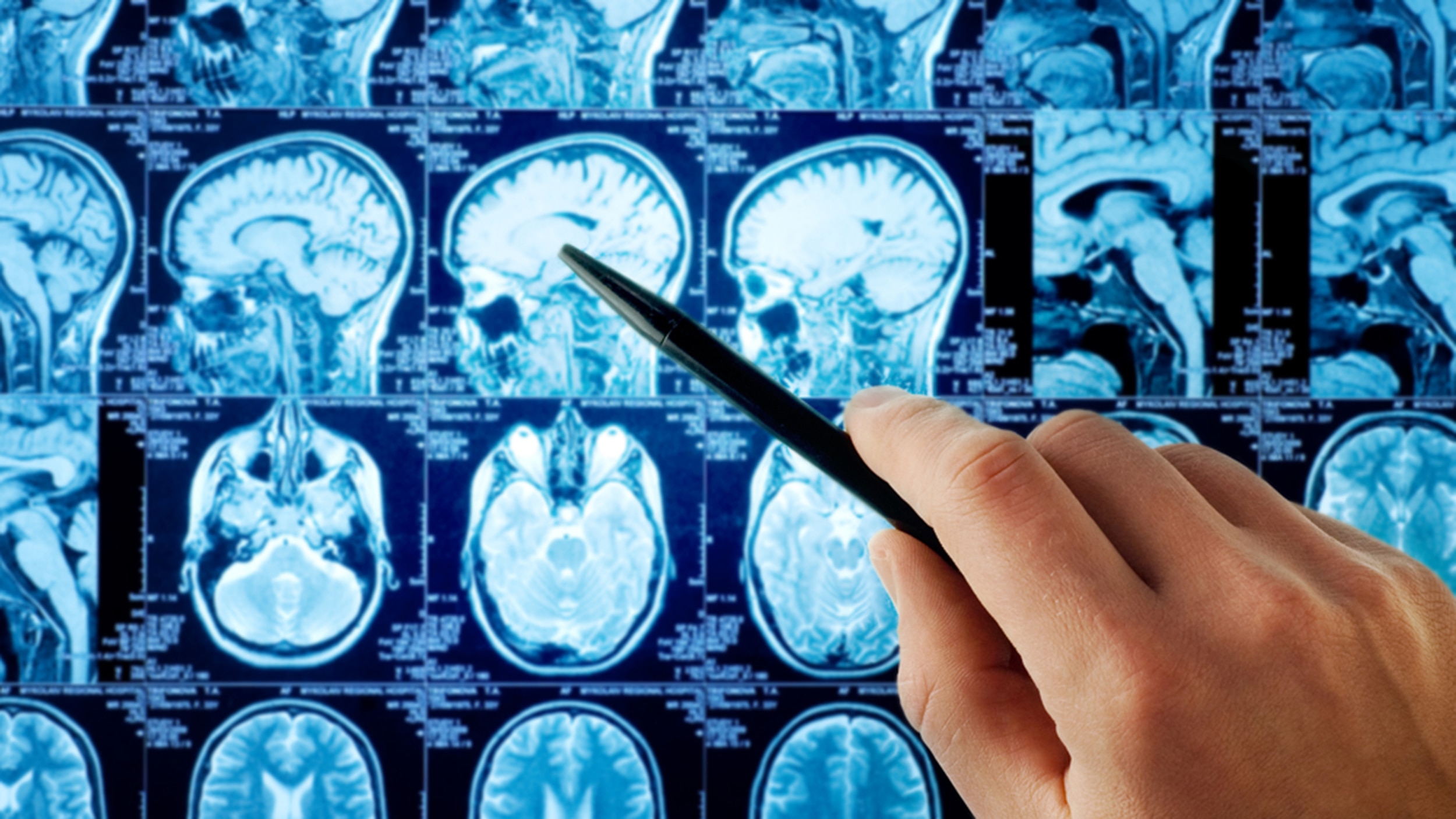
- Examine the original MRI or CT images, not only the written report. Check relevant sequences, whether contrast was used, and earlier scans for growth or stability.
- Map the lesion against speech and language networks, movement areas, vision pathways, blood vessels, and cerebrospinal-fluid pathways. This determines the likely benefit, technical approach, and neurological risk.
Brain tumours, intracranial bleeding, aneurysms, hydrocephalus, epilepsy, vascular malformations, skull injuries, and pressure-related conditions can lead to an operation, but the diagnosis wording alone does not settle that decision. An incidental finding can remain under surveillance with repeat imaging.
For a suspected tumour, imaging cannot establish every type or grade. A stereotactic biopsy may obtain tissue when removal is unsafe or unnecessary; resection may both relieve pressure and provide tissue. Pathology identifies the tumour, while molecular testing can refine classification and guide treatment. Consent should follow this explanation, not precede it.
When is brain surgery urgent, and when is there time to compare options?
Seek emergency assessment now—not a routine appointment—after severe sudden headache, loss of consciousness, repeated vomiting, rapidly worsening confusion, a new seizure, suspected stroke, intracranial bleeding, or rapidly worsening weakness or numbness. These signs can indicate pressure, bleeding, or disrupted blood flow, where delay can worsen brain injury.
Searching for a well experienced neurosurgeon for brain surgery after diagnosis in Pune does not replace emergency care. If a lesion is stable, incidental, or has uncertain surgical benefit, arrange a planned review or second neurosurgical opinion. Ask what the operation aims to achieve, which alternatives exist, and what neurological function could be lost.
| Option | What it means | When it applies |
|---|---|---|
| Observation and repeat MRI | Monitor size and behaviour over time | Stable lesions without dangerous symptoms |
| Medication | Control seizures, swelling, or other symptoms | When medical treatment addresses the immediate problem |
| Radiation therapy or chemotherapy | Treat selected tumours without direct removal | When diagnosis and tumour biology support it |
| Endovascular treatment | Treat selected aneurysms or vascular lesions through blood vessels | When anatomy makes catheter treatment suitable |
| Rehabilitation | Restore movement, speech, swallowing, or daily function | Before or after treatment when deficits affect function |
| Surgery | Obtain tissue, remove disease, relieve pressure, stop bleeding, or treat hydrocephalus | When expected benefit outweighs functional risk |
The choice depends on symptoms, diagnosis, lesion size, location, growth, functional risk, and expected benefit. The safest operation is not always the most extensive removal: near language, movement, or vision networks, leaving residual disease followed by surveillance, radiation therapy, or another treatment may prevent permanent injury.
How do you assess a well experienced brain surgeon in Pune?
A “well experienced brain surgeon in Pune” is not defined by a claim or a number alone. Ask which specialist will personally perform the operation, how often they perform the proposed procedure, and whether they regularly treat your diagnosis and the affected brain region.
| Question | Useful answer | Warning sign |
|---|---|---|
| Who will operate? | The named surgeon explains their personal role. | Staff cannot identify the operating specialist. |
| How often is this procedure performed? | The surgeon gives a clear, procedure-specific answer. | Experience is described only as “many years.” |
| What is the operation meant to achieve? | Tissue diagnosis, safe tumour removal, pressure relief, bleeding control, or hydrocephalus treatment. | “Brain surgery” is presented as one standard operation. |
| How does the case reach a decision? | Imaging, symptoms, pathology, and risks are reviewed by a multidisciplinary team. | No discussion of alternatives or functional risks. |
Check that the hospital has suitable MRI and CT access, an intensive-care unit, neuroanaesthesia, emergency support, rehabilitation, pathology, molecular testing, and follow-up arrangements. These resources matter if swelling, bleeding, seizures, neurological deficits, or an unexpected tumour result changes the plan.
Awake craniotomy is a selective brain-mapping technique used when testing speech or movement areas could improve safety. It is not required for every tumour, and the patient is not conscious throughout every part of the operation.
A neurosurgical consultation for brain conditions in Pune should let you ask these questions directly; Dr Dilip Kiyawat can be considered alongside other surgeons using the same diagnosis-specific criteria.
Related items
 | Brain Surgery ₹1200 Brain tumours are abnormal growths of cells within the brain or the surrounding structures. View service → |
Brain Surgeon Here are numerous types of brain surgery. The type used is based on the area of the brain and the condition being treated. View product → |
What should you take to consultation and ask before consenting?
Bring the records that let the neurosurgeon review the evidence, not just the written conclusion. Missing earlier scans can hide growth; missing medication details can create anaesthesia or bleeding risks.
- Original MRI or CT images on the available viewing medium, plus written reports and scan dates.
- Earlier MRI or CT images for comparison, pathology reports, molecular test results, and records of previous surgery, radiation, chemotherapy, or other treatment.
- A current medication and allergy list, including doses and reactions, plus a dated timeline of symptoms, seizures, weakness, speech changes, vision problems, headaches, or memory changes.
- Ask family members to write questions in advance and bring notes from the consultation.
Before signing consent, ask:
- What is the exact diagnosis, and what is the procedure called? Is its purpose biopsy, pressure relief, bleeding control, or removal?
- What benefit should it provide, what alternatives exist, and what is the chance of incomplete removal, repeat treatment, or no neurological improvement?
- How could it affect speech, movement, vision, memory, swallowing, or seizure control?
- What anaesthesia, blood transfusion, intensive-care monitoring, hospital stay, rehabilitation, and return-to-work timeline should you expect?
- If pathology changes the diagnosis, how will treatment change?
- Which warning signs require emergency care, and who will manage complications during and after hospital discharge?
Request plain-language answers and written instructions before consenting. A second opinion is reasonable when the operation is elective or the risks and benefits remain unclear.
What follow-up should you expect after brain surgery?
The operation is not the end of treatment. Follow-up confirms healing, identifies complications early, and determines whether further treatment is needed.
1. Attend the wound review and neurological examination. Your team will check the incision, strength, sensation, speech, vision, memory, swallowing, coordination, and level of alertness.
2. Ask when pathology and molecular results will be ready and who will explain them. These results can change the diagnosis, prognosis, need for additional surgery, or recommendation for oncology, chemotherapy, or radiation treatment.
3. Confirm the timing of postoperative MRI or CT and ask who will personally review the images. The scan may show expected postoperative changes, residual disease, bleeding, swelling, or hydrocephalus.
4. Review seizure medicines and steroid doses before changing them. Ask about tapering steroids, side effects, seizure precautions, and the symptoms that require an urgent call.
5. Know the warning signs: fever or wound discharge, worsening headache, repeated vomiting, new weakness, speech difficulty, vision changes, seizures, unusual drowsiness, or worsening confusion. Ask whom to contact outside clinic hours and when to go to the emergency department.
6. Arrange physiotherapy, speech therapy, occupational therapy, or broader rehabilitation when movement, communication, thinking, or independence is affected. Request a second neurosurgical opinion if the recommendation changes or the benefits and risks become unclear.
A neurologist commonly manages seizures and other medical neurological conditions. A neurosurgeon assesses whether an operation or procedure can help; referral between them does not guarantee surgery.
Frequently asked questions
What should happen between a neurological diagnosis and a surgical recommendation?
Your neurosurgeon should review the diagnosis, scans, symptoms, and examination findings, then explain whether the finding causes your symptoms. They should compare surgery with observation, medication, radiation, endovascular treatment, and rehabilitation before recommending an operation.
When is brain surgery urgent, and when is there time to compare options?
Urgent assessment is needed for sudden weakness, loss of consciousness, repeated seizures, severe worsening headache with vomiting, or rapidly deteriorating neurological function. When symptoms are stable and the condition is not immediately threatening, you may have time to seek a second opinion and compare treatments.
How do you assess a well experienced brain surgeon in Pune?
Ask about the surgeon’s training, experience with your specific condition and procedure, hospital facilities, expected benefits, important risks, alternatives, and follow-up plan. Judge experience by relevant case expertise rather than years alone.
What should you take to a consultation and ask before consenting?
Take imaging scans and reports, pathology results, prescriptions, previous treatment records, allergy details, and a symptom timeline. Ask what the operation aims to achieve, what happens if you wait, which alternatives exist, likely recovery time, complications, costs, and who provides follow-up care.
What follow-up should you expect after brain surgery?
Follow-up should cover wound healing, neurological examination, medication changes, pathology or scan results, rehabilitation, activity restrictions, warning signs, and the timing of the next review or scan. Ask whom to contact if symptoms worsen after discharge.
Related product
| TUMOR & CANCERS Brain Tumor & Cancer An Cerebral aneurysm or intracranial aneurysm is when the internal walls of the artery through which the blood flows in the brain becomes thin and... |