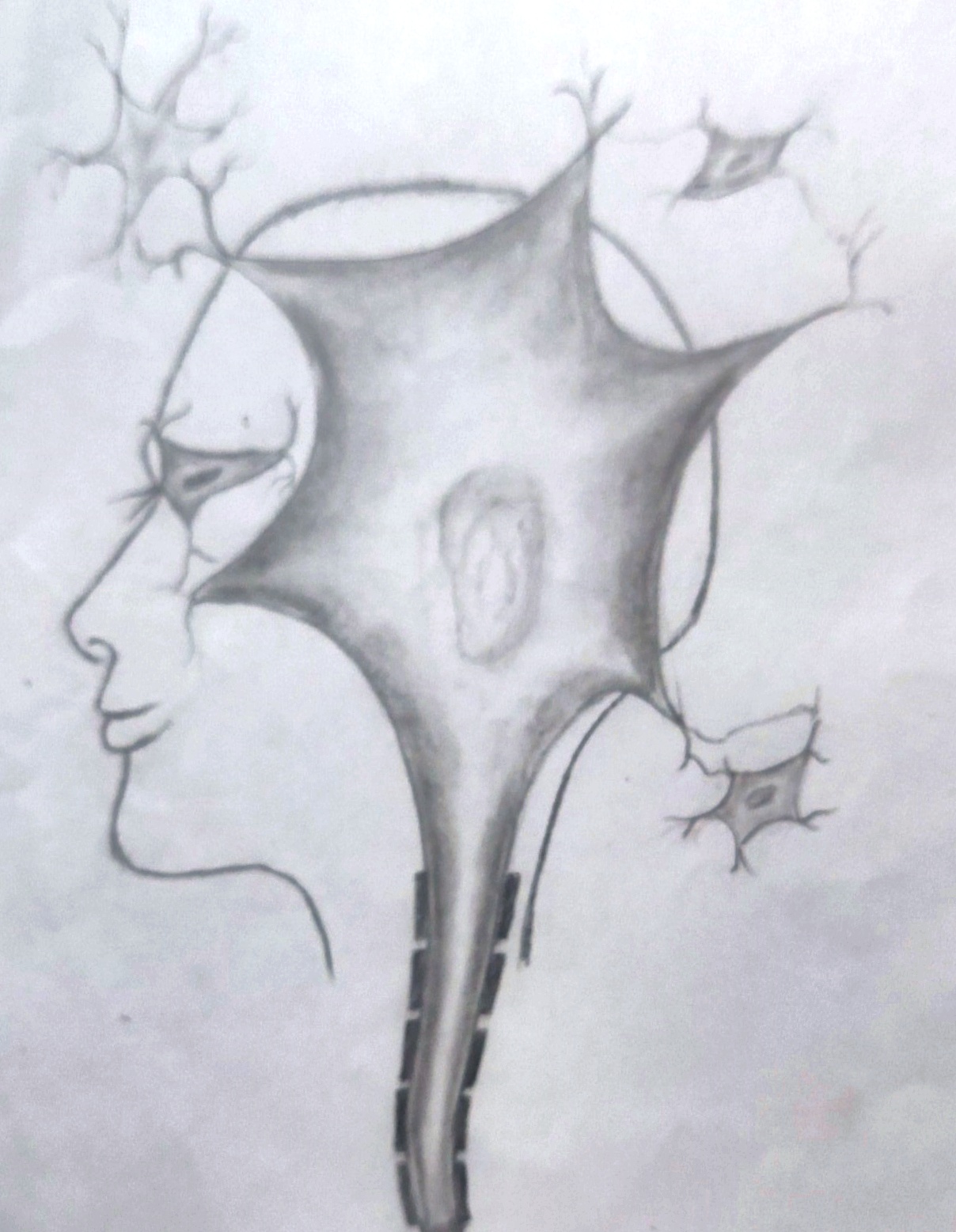

Introduction: Brain Tumor surgery is a critical component of Neurosurgical specialty which is aimed at removing or reducing the tumor mass from the brain.
Symptoms of a growing brain tumor- The tumor may remain asymptomatic for a long time. Symptoms include headache, vomiting, altered sensorium, diminished vision, or convulsion. Depending upon the location of the tumor the patient may have weakness of one of the limbs or altered behavior.
Types of Brain Tumors:
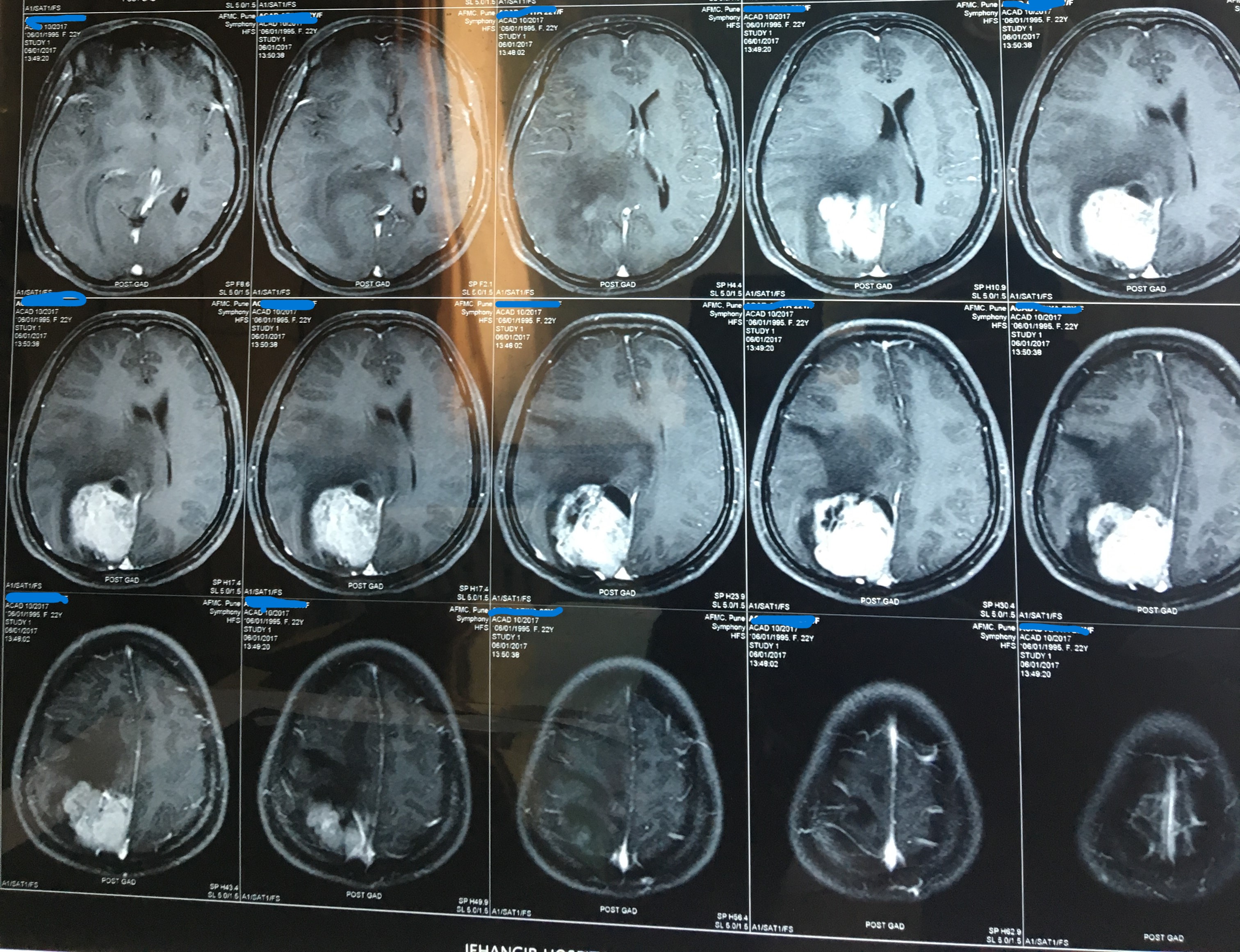
Primary brain tumors - Primary tumors originate from within the brain tissues and invade into the surrounding brain tissues thereby damaging and compressing the brain. The example are:
Gliomas which include:
Astrocytoma of various grades depending on the contents of malignancy,
Glioblastoma multiforme (GBM)
Oligodendroglioma, and
Ependymoma.
Of these glioblastoma multiforme is the most malignant tumor having the worst prognosis.
Other primary tumors mostly benign include meningioma, pituitary tumor, acoustic tumor, pineal tumor, medulloblastoma, chordoma craniopharyngioma, and hemangioblastoma.
The treatment and prognosis of brain tumors vary widely based on their type, location, and grade of malignancy.
Secondary brain tumors- Secondary tumors arise from other parts of the body such as lung, breast, stomach and intestine, thyroid, kidneys etc. and spread to the brain either through the bloodstream or direct contact. These are usually cancerous tumors and termed as metastatic tumors.
Preparation for Brain Tumor Surgery:
Before a patient is taken for brain surgery a thorough preparation is essential to ensure the safety and success of the procedure. This includes checking hemoglobin, blood grouping, control of blood pressure, diabetes, optimizing heart and lung functions among others.
Some common neurosurgical operative terms used by Neurosurgeons:
Craniotomy: This is the most common neurosurgical technique. It involves removing a portion of the skull (bone flap) to access the brain tumor. Once the tumor is excised the bone flap is replaced and secured with mini plates or screws.
Burr Hole- A small (2cm diameter) trephine hole is made in the skull to drain blood clots, cystic fluids or abscess.
Stereotactic Surgery: This minimally invasive surgery is done with the help of a Stereotactic frame guided by CT scan or MRI images. The position of the tumor is calculated in three dimensions that helps the neurosurgeon to take a shortest and safest trajectory to reach the tumor. This precision helps in the biopsy of a deep-seated inaccessible tumor through a burr hole thus avoiding a craniotomy which is a major procedure. This technique is also useful for aspiration of brain abscesses, cysts, and brain haemorrhages.
Endoscopic Surgery: In some cases, an endoscope (a fiber optic telescope) is used to access and remove tumors through a burr hole. It is especially helpful for tumors located in the ventricles or deep within the brain.
Awake Brain Surgery: For tumors located near critical brain regions responsible for speech or limb movement, awake brain surgery is performed. The patient is kept awake during the procedure to allow real-time assessment of brain function and minimize damage to vital areas.
Post-Operative Care and Recovery
The recovery process following brain tumor surgery is crucial for the patient's well-being and long-term outcomes. Here are the key aspects of post-operative care:
The patient usually wakes up on the operation table immediately after the brain tumour surgery. He typically spends a day or two in the intensive care unit (ICU) for close monitoring. The duration of the hospital stay varies depending on the type of surgery and the patient's condition.
Pain Management: Effective pain management is essential to ensure patient comfort. Medications are administered to alleviate pain and manage any potential side effects.
Neurological Monitoring: Continuous neurological assessments are performed to monitor brain function and detect any complications.
Physical and Occupational Therapy: Rehabilitation specialists work with patients to regain strength, mobility, and independence. Physical and occupational therapy is essential for optimal recovery.
Medications: Patients may be prescribed medications to manage symptoms, reduce the risk of infection, and control inflammation. Patients may be prescribed medications to control convulsions which is a likely possibility in some patients.
Follow-Up Care: Regular follow-up appointments with the surgical team and other specialists are crucial to monitor the patient's progress and adjust the treatment plan as needed.
Risks and Complications
Brain tumor surgery is a complex and invasive procedure, and it carries some inherent risks and potential complications, including:
- Infection
- Bleeding within the brain at the operative site
- Neurological deficits in the form of weakness of limbs
- Cerebrospinal fluid leak
- Seizures
- Cognitive changes
It is important to note that the risks mentioned are rare and depend on the tumor size, type, location, and the patient's overall health before the surgery. The medical team will discuss these risks and potential complications with the patient during the informed consent process.
Conclusion:
With advanced technology and better understanding brain tumor surgery is now a safe procedure. The surgery involves removal or debulking of the tumors to alleviate symptoms and improve the patient's quality of life. A through pre-surgical preparation, careful and meticulous surgical techniques, and post-operative care are essential for successful outcomes. While brain tumor surgery carries inherent risks and potential complications its occurrence is rare and advances in medical technology and multidisciplinary approaches have improved the safety and efficacy of such surgeries. With appropriate medical evaluation, and a dedicated healthcare team, patients can undergo brain tumor surgery with safety and confidence.


