Leg pain after hours at a desk is not always a simple muscle strain, and a disc bulge on a scan does not automatically explain it. You will learn how to recognise nerve-root symptoms, identify emergencies, adjust work and movement, and decide when specialist review, injections, or surgery is appropriate.
Key takeaways
- Pain below the knee with tingling or weakness points to nerve-root irritation.
- Stay active during the first six weeks; avoid bed rest and heavy lifting.
- Adjust screen height, chair support, sitting time, and movement breaks.
- Seek urgent care for bladder changes, bowel loss, saddle numbness, or worsening weakness.
Is your leg pain sciatica or an ordinary desk-related ache?
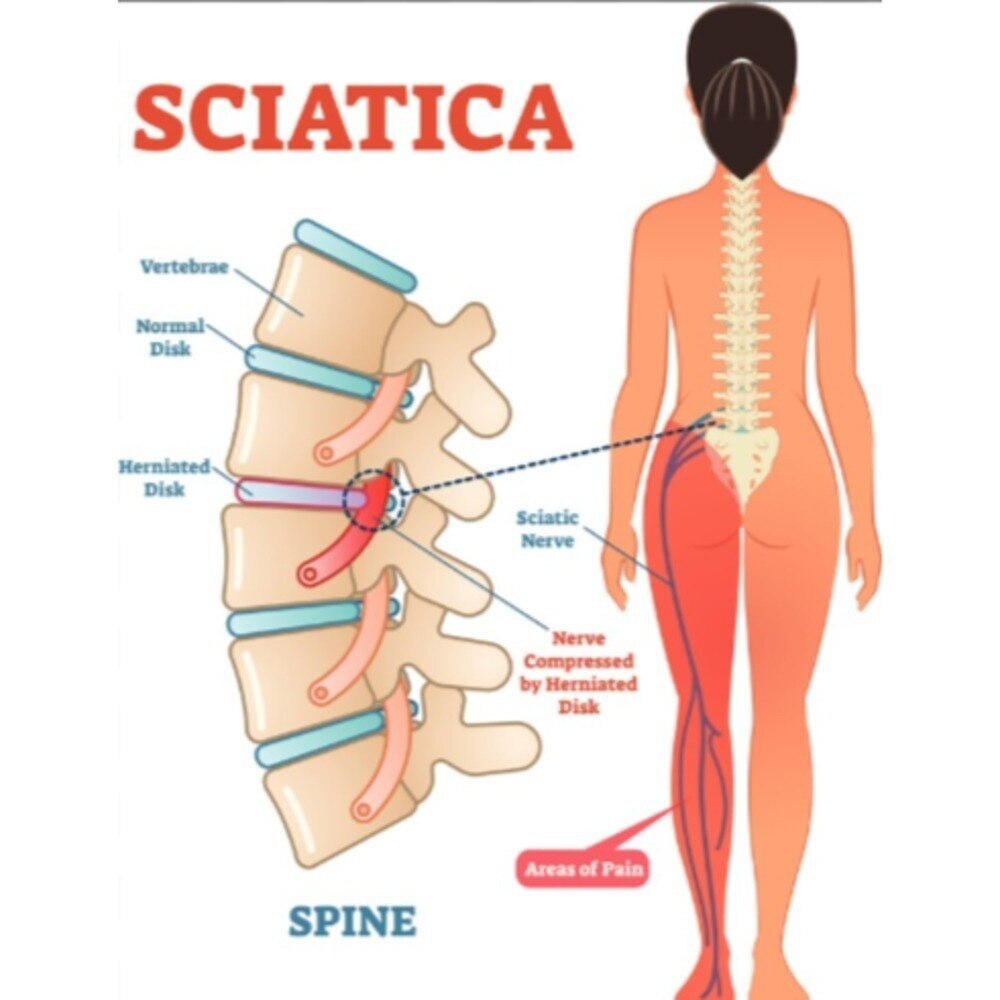
Sciatica is nerve-root pain, not simply a sore back: it travels from the lower back or buttock into one leg, often below the knee, with burning, electric pain, pins and needles, numbness, or weakness. Coughing, sneezing, or straining can intensify it.
| Pattern | Clues that point toward it | What usually separates it from sciatica |
|---|---|---|
| Low-back strain | Aching across the lower back after prolonged sitting, lifting, or an awkward posture | No consistent below-knee pain, numbness, reflex change, or muscle weakness |
| Hip pain | Groin pain, reduced hip rotation, pain getting into a car or climbing stairs | Pain is centred at the hip rather than following a back-to-leg nerve route |
| Sacroiliac pain | One-sided pain near the dimples above the buttocks, worsened by turning or standing | Neurological symptoms and a positive nerve-tension test are absent |
| Peripheral nerve problem | Numbness or weakness in a small, specific area, such as the outer shin or hand | The pattern does not match a lumbar nerve root and may be triggered by pressure at the elbow, wrist, or knee |
A clinician checks leg power, sensation, reflexes, walking, and straight-leg raise. A disc bulge on MRI does not prove sciatica; the scan must match your symptoms and examination. Effective sciatica treatment for office workers starts with staying active as tolerated, not prolonged bed rest.
Seek emergency assessment for new bladder or bowel difficulty, numbness around the saddle area, rapidly worsening leg weakness, or severe symptoms in both legs.
What should you do during the first six weeks?
For the first six weeks, remain active as tolerated rather than staying in bed. Walk several times daily, change position before pain builds, and continue ordinary tasks with temporary limits on lifting, long commuting, and uninterrupted sitting.
Arrange a clinical assessment and a structured physiotherapy programme with gentle mobility, nerve-friendly movement, and progressive trunk and leg strengthening.
For lumbar disc and sciatica treatment, office workers in Pimpri Chinchwad can use this practical progression:
- Days 1–14: Use comfortable short walks, follow prescribed pain-relief advice, and avoid movements that sharply increase leg pain. Do not force stretches or remain in bed.
- Weeks 3–6: Gradually increase walking and sitting tolerance. Return to work in shorter sitting blocks, with standing or walking breaks and reduced lifting.
- At six weeks: If pain or weakness persists, worsens, or prevents normal activity, seek specialist review. MRI is useful when its result could change treatment, not simply because pain is present.
Seek emergency assessment immediately for any of these symptoms:
- New difficulty passing urine, urinary retention, or loss of bladder control
- Loss of bowel control
- Numbness around the genitals, inner thighs, or buttocks
- Severe or rapidly worsening weakness in one or both legs
- New neurological symptoms affecting both legs
Finding a disc bulge on a scan does not prove it causes your pain; the scan must match your symptoms and examination.
| Stage | Practical plan | Escalate when |
|---|---|---|
| Days 1–14 | Walking and modified activity | Weakness develops |
| Weeks 3–6 | Graded work and exercise | Pain or function fails to improve |
| Any time | Emergency assessment | Bladder, bowel, saddle, or bilateral symptoms |
How can you change your workstation and workday?
Change the workstation to reduce provocation, not to repair a herniated disc. Keep your monitor near eye level, place both feet on the floor or a footrest, and keep the keyboard and mouse close so you do not lean forward. Use a laptop stand with a separate keyboard.
A perfect chair is less important than changing position regularly.
These adjustments are part of sciatica treatment for office workers, not a cure for nerve compression.
- Break up sitting every 20 to 30 minutes. Stand, walk for two to five minutes, or change tasks.
- Alternate sitting and standing if standing feels better. Stop a position that increases leg pain, numbness, or weakness.
- Return to work in stages: shorten sitting blocks, schedule walking breaks, and temporarily limit lifting and long commutes. Increase your workload as symptoms and strength improve.
Sleep on your side with a pillow between your knees, or on your back with a pillow under your knees. Use the position that settles your leg; do not force a posture that increases pain.
| Option | Practical change | Limitation |
|---|---|---|
| Sitting | Use lumbar support and vary your posture | It cannot remove a disc prolapse |
| Standing | Use a sit-stand desk for short intervals | Standing continuously can also aggravate symptoms |
| Commuting | Take walking breaks and reduce driving time temporarily | Avoidance should not become prolonged inactivity |
When are medicines, injections, scans, or surgery appropriate?
Most desk workers should judge treatment by leg symptoms and function, not by an MRI image alone. Initial care is usually non-surgical: stay active as tolerated, use suitable pain relief, and follow structured physiotherapy instead of bed rest.
Judge each option by its purpose:
- Pain medicines are a short-term aid, not a cure. Stop and seek advice if they cause stomach bleeding, kidney problems, drowsiness, or no meaningful improvement.
- Physiotherapy should restore movement, confidence, and strength through a graded programme. Nerve-gliding exercises can help selected nerve-sensitive symptoms, but stop if they intensify electric pain or numbness.
- Strengthening exercises become more useful as acute leg pain settles. Progress trunk, hip, and leg loading gradually rather than forcing painful stretches.
- An epidural injection containing local anaesthetic and steroid can be considered for acute, severe sciatica when pain blocks rehabilitation. It does not remove the disc and is not routine treatment for isolated low-back pain.
- MRI is appropriate when serious disease is suspected or an invasive treatment is being considered. A bulge or degeneration matters only when its level matches your pain pattern, examination, and symptom timing.
Lumbar disc surgery for desk workers is mainly considered when disabling leg-dominant pain or weakness persists despite non-surgical care and MRI confirms matching nerve compression. It gives faster leg-pain relief in selected cases, but surgery is less predictable for isolated back pain; progressive weakness or bladder, bowel, or saddle symptoms requires urgent assessment.
How do you choose specialist care in Pimpri-Chinchwad?
A nearby clinic is useful only if it provides specialist assessment and a reliable path to treatment. The best neurosurgeon for sciatica is not identified by an online ranking or title alone: choose someone who examines you, matches MRI findings to your symptoms, explains non-surgical and surgical options, and states how urgent treatment is.
Dr Dilip Kiyawat is one example of a clinician whose consultation should be judged by these practical standards, not by proximity alone.
Before an elective operation, verify:
- Current registration with the National Medical Commission or Maharashtra Medical Council, plus spine-specific neurosurgical or orthopaedic training.
- Access to a hospital with anaesthesia, emergency care, MRI, physiotherapy, and postoperative monitoring.
- A written follow-up plan covering wound review, walking, work restrictions, medicines, and warning symptoms.
- A second-opinion option when surgery is not urgent.
| Provider or finding | What to verify | Warning sign |
|---|---|---|
| Lumbar disc specialist in Pimpri-Chinchwad | Personal examination, documented weakness or sensory loss, and MRI correlation | Surgery recommended from the scan alone |
| Neurosurgeon or orthopaedic spine surgeon | Non-operative care, decompression risks, expected leg-pain relief, and alternatives explained | “Guaranteed” cure or pressure to book quickly |
| Elective surgery recommendation | Persistent disabling radicular pain or neurological deficit despite appropriate care | Isolated back pain with no matching nerve compression |
Seek emergency assessment, not a routine local appointment, for new bladder or bowel difficulty, saddle numbness, rapidly worsening weakness, or severe symptoms in both legs.
Related items
 | Spine Surgery Prolapsed Lumbar Intervertebral Disc- Medical management The prolapsed lumbar intervertebral disc also referred to as slipped disc, sciatica, or just... View product → |
 | Spine Surgery Dr. Dilip S. Kiyawat has wide experience in treating spinal disorders. View service → |
Frequently asked questions
How can you tell sciatica from an ordinary desk-related ache?
Sciatica travels from the lower back or buttock into one leg, often below the knee, with burning, electric pain, pins and needles, numbness, or weakness. Coughing, sneezing, or straining can worsen it. A desk-related ache usually stays around the lower back, neck, or muscles without this nerve pattern.
What should office workers do during the first six weeks of sciatica?
Keep walking and change positions regularly, while avoiding bed rest, heavy lifting, repeated bending, and twisting. Arrange medical assessment if pain persists, limits work, or causes numbness or weakness. Seek urgent care for bladder or bowel problems, saddle numbness, or progressive leg weakness.
How can you change your workstation for sciatica?
Place the screen at eye level, keep your feet supported, use a chair with lower-back support, and keep the keyboard and mouse close. Alternate sitting and standing, take frequent movement breaks, and avoid working from a low sofa or bed.
When are medicines, injections, scans, or lumbar disc surgery appropriate?
A clinician chooses treatment based on pain severity, neurological findings, duration, and response to exercise and medicines. MRI is most useful when symptoms persist, weakness appears, or surgery is being considered. Injections can target persistent nerve-root pain, while surgery is considered for significant or worsening weakness, emergency compression, or disabling pain that does not improve with appropriate treatment.
How do you choose a lumbar disc specialist in Pimpri-Chinchwad?
Choose a specialist who examines strength, sensation, reflexes, walking, and nerve tension rather than relying on an MRI alone. Ask what non-surgical options are appropriate, when imaging is needed, what surgery would address, and how recovery affects your work. A neurosurgical consultation with Dr Dilip Kiyawat can help office workers assess lumbar disc and sciatica treatment options in Pimpri-Chinchwad.
Related items
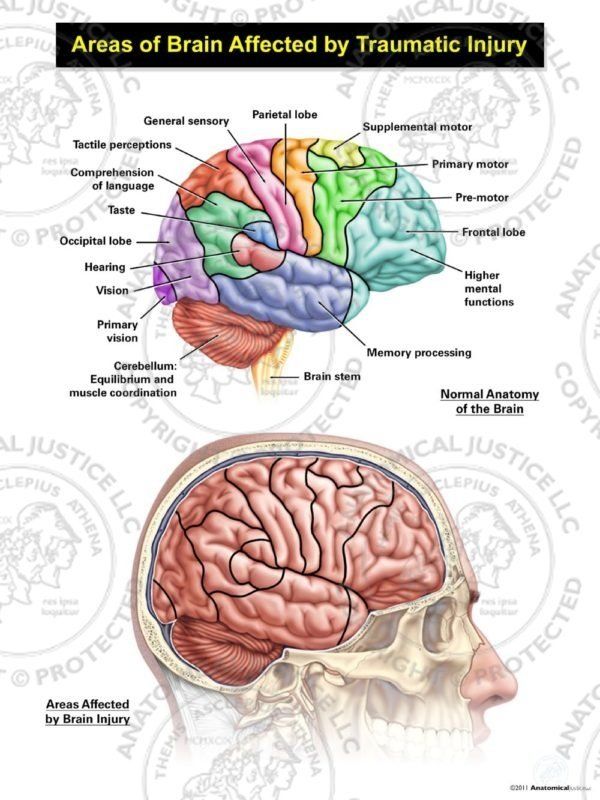 | Treatment of Head injury ₹1200 Management of head injuries 1. Extensive scalp laceration- . The bleeding is controlled by suturing the scalp. . View service → |
Brain Surgeon Here are numerous types of brain surgery. The type used is based on the area of the brain and the condition being treated. View product → |
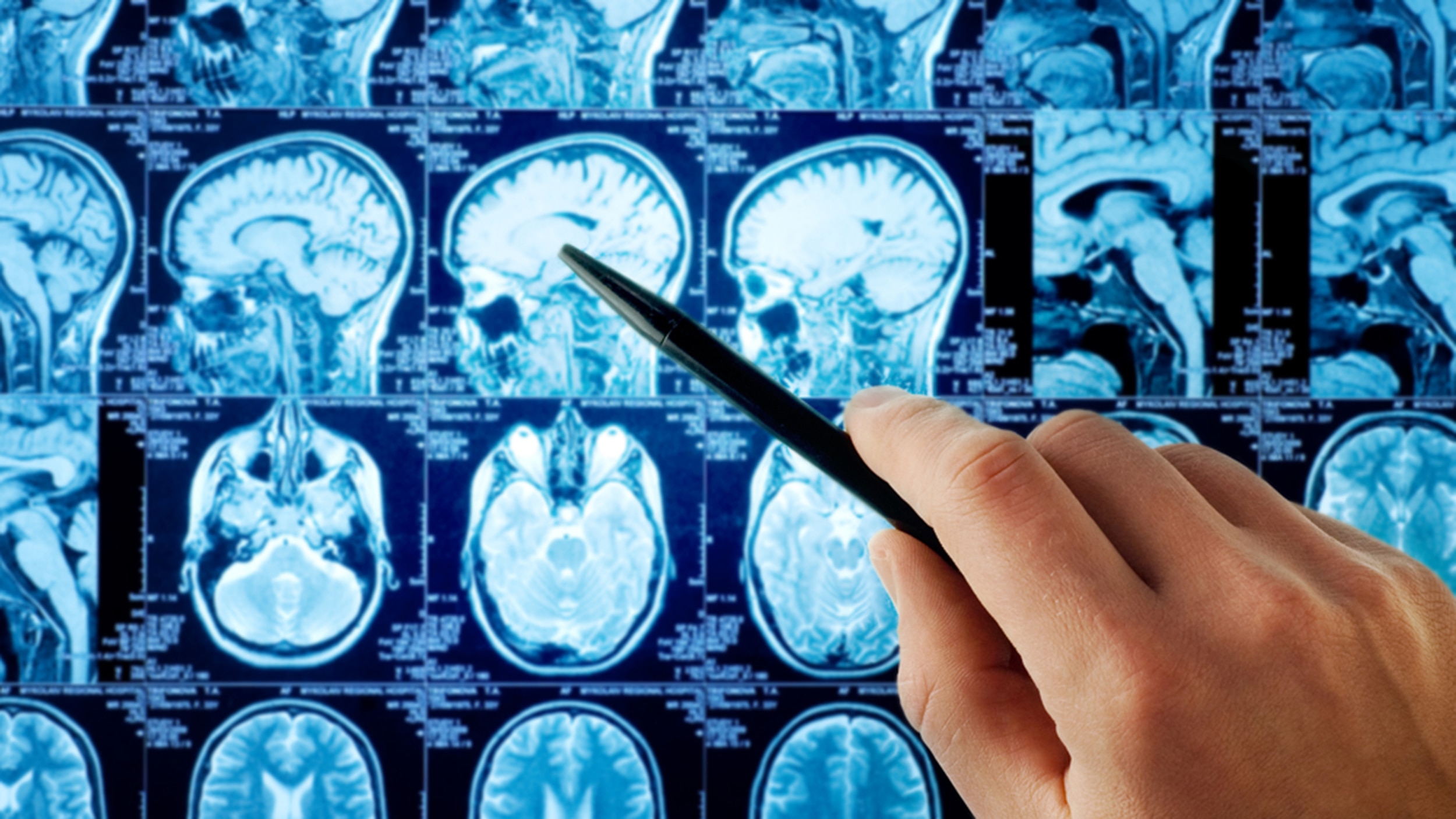 | TUMOR & CANCERS Brain Tumor & Cancer An Cerebral aneurysm or intracranial aneurysm is when the internal walls of the artery through which the blood flows in the brain becomes thin and... |
 | ACUTE BRAIN STROKE Disruption of blood supply to any part of the brain due to rupture of blood vessel carrying oxygen and nutrients to the brain, or blockage of the... View product → |