Spine surgery is not one treatment with one expected result: a discectomy aims to relieve nerve pain, while decompression for cervical cord compression aims to protect function. By matching the condition, symptoms, examination, scan, and treatment history, you can understand which benefit is realistic and when non-operative care is safer.
Key takeaways
- Surgery aims to relieve nerve pressure, protect the spinal cord, correct deformity, or stabilise the spine.
- Match the operation to the diagnosed problem, not to the MRI image alone.
- Try appropriate non-surgical treatment when symptoms, examination, and imaging do not align.
- Ask how surgery will change your symptoms, function, risks, and recovery time.
What benefit is spine surgery intended to provide for each condition?
The intended benefit depends on what is being compressed, weakened, or displaced: surgery may relieve a nerve, protect the spinal cord, correct deformity, restore space, or stabilise an unsafe segment.
- Cervical disc prolapse: decompression removes pressure from a cervical nerve root to reduce arm pain, numbness, or weakness. If it compresses the spinal cord, the aim shifts to preventing further neurological deterioration.
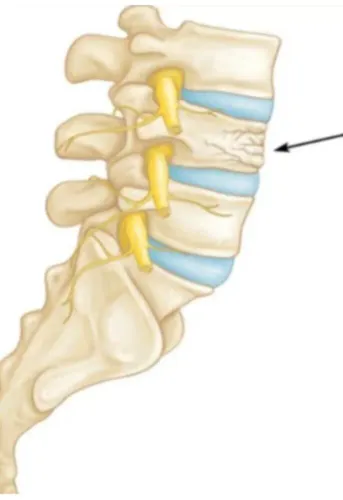
- Lumbar disc prolapse: discectomy is most useful for persistent, function-limiting sciatica caused by nerve compression. It is not a reliable treatment for isolated low-back pain without a matching nerve-compression syndrome.
- Spinal cord compression: cervical decompression creates space for the cord and chiefly protects remaining function. In degenerative myelopathy, surgery may prevent worsening hand clumsiness, weakness, stiffness, or walking imbalance; it cannot promise complete reversal.
- Spinal trauma: fixation and decompression restore alignment, protect neural structures, and stabilise an unstable fracture or dislocation. The priority is neurological safety, not simply pain reduction.
- Spinal tumours: surgery may remove tumour, decompress the cord or nerves, and rebuild stability when bone has been weakened. The plan depends on tumour type, location, spread, and neurological risk.
- Osteoporotic vertebral collapse: selected patients may gain pain relief and restored vertebral support through vertebral augmentation; severe collapse with deformity or compression may require reconstruction and stabilisation.
If you are researching spinal neurosurgeon spine surgery for benefits in Pimpri-Chinchwad, compare the proposed benefit with your examination, imaging, and functional limitation. A local specialist should explain which symptom surgery targets and which problem may remain.
Which spine surgery option fits the diagnosed problem?
Match the operation to the structure being compressed, weakened, or displaced; similar symptoms do not make procedures interchangeable.
| Option | What it addresses | When it fits |
|---|---|---|
| Microdiscectomy or discectomy | Removes herniated disc pressing on a nerve | Persistent, function-limiting sciatica with matching nerve compression |
| Laminectomy or laminotomy | Creates space by removing part of the vertebral arch | Lumbar or cervical stenosis causing leg symptoms, weakness, or walking limitation |
| Cervical decompression | Relieves pressure on a cervical cord or nerve root | Myelopathy, arm pain, numbness, or weakness from cervical compression |
| Fusion with instrumentation | Stabilises and aligns motion segments | Instability, deformity, spondylolisthesis, fracture, or tumour-related weakness when decompression alone is inadequate |
| Vertebral augmentation | Supports a collapsed vertebral body | Selected painful osteoporotic collapse after imaging confirms the pain source |
| Tumour resection or decompression | Removes tumour tissue or releases neural structures | Tumour-related cord compression, nerve compression, or threatened stability |
| Emergency stabilisation | Rapidly protects an unstable injured spine | Fracture-dislocation or unstable injury with neurological risk |
A tubular or minimally invasive route is not automatically safer. The level, anatomy, required decompression, stability, and surgeon’s access determine whether it is appropriate.
Fusion is not a routine add-on to decompression. It increases operative extent, blood loss, recovery demands, and implant-related risks, so the mechanical reason for adding it should be clear. When comparing spine surgery options in Pimpri-Chinchwad, assess diagnosis-specific expertise alongside MRI and emergency facilities, rehabilitation, pain management, and planned follow-up.
When is surgery the wrong choice, even when an MRI shows a problem?
An MRI finding is not an operation order. Disc bulges, degeneration, and spinal stenosis can appear in people without pain, so the scan must match the affected level and side with your pain pattern, weakness, reflex changes, walking limitation, and neurological examination.
For uncomplicated back pain, improving sciatica, or symptoms without matching nerve or spinal-cord compression, begin with activity modification, exercise-based physiotherapy, appropriate analgesic treatment, and other non-operative care. Operating on an incidental scan finding can leave the original pain unchanged while exposing you to anaesthesia, infection, nerve injury, blood clots, and recovery time.
Lumbar decompression for spinal stenosis is intended mainly to improve leg pain, numbness, heaviness, or walking disability caused by narrowed nerves. It is not primarily an operation for ordinary axial low-back pain alone. Similarly, removing a lumbar disc is most useful when persistent, function-limiting sciatica matches nerve compression.
Before agreeing to surgery, ask:
- Which symptom is the operation expected to improve, and does the scan explain it?
- What happens if surgery is deferred for three or six months?
- Have activity changes, exercise-based rehabilitation, medicines, and other suitable treatments had a fair trial?
- What finding would make surgery more urgent, such as worsening weakness, walking difficulty, or spinal-cord signs?
A credible recommendation explains both why surgery fits and why continued non-operative care no longer offers the better balance.
When should you seek a spinal neurosurgeon consultation, and what happens during it?
Progressive limb weakness, difficulty walking, loss of hand dexterity, or persistent severe pain despite treatment justify a spinal neurosurgeon consultation. Suspected nerve-root or spinal-cord compression also needs assessment, especially when symptoms affect strength, balance, or hand function.
New urinary retention or incontinence, saddle-area numbness, rapidly worsening weakness, paralysis, or a spinal injury with neurological symptoms require emergency assessment, not a routine appointment. These signs can indicate cauda equina syndrome or another urgent compression problem.
The consultation usually follows this sequence:
1. You describe when symptoms began, how they have changed, what activities are limited, and which medicines, physiotherapy, injections, or other treatments you have tried.
2. The surgeon performs a neurological examination, checking muscle power, sensation, gait, coordination, reflexes, and signs of spinal-cord involvement.
3. The surgeon reviews the actual MRI or CT images, not only the written report. The scan level and side must match your pain pattern and examination findings; an abnormal scan alone does not prove that surgery is needed.
4. You discuss non-surgical alternatives, the expected benefit for your main symptom, possible complications, likely recovery, and what may happen if treatment is deferred.
In Pimpri-Chinchwad, a consultation with Dr Dilip Kiyawat can help you ask whether the priority is decompression, observation, rehabilitation, or another treatment—not assume that surgery is necessary.
Related products
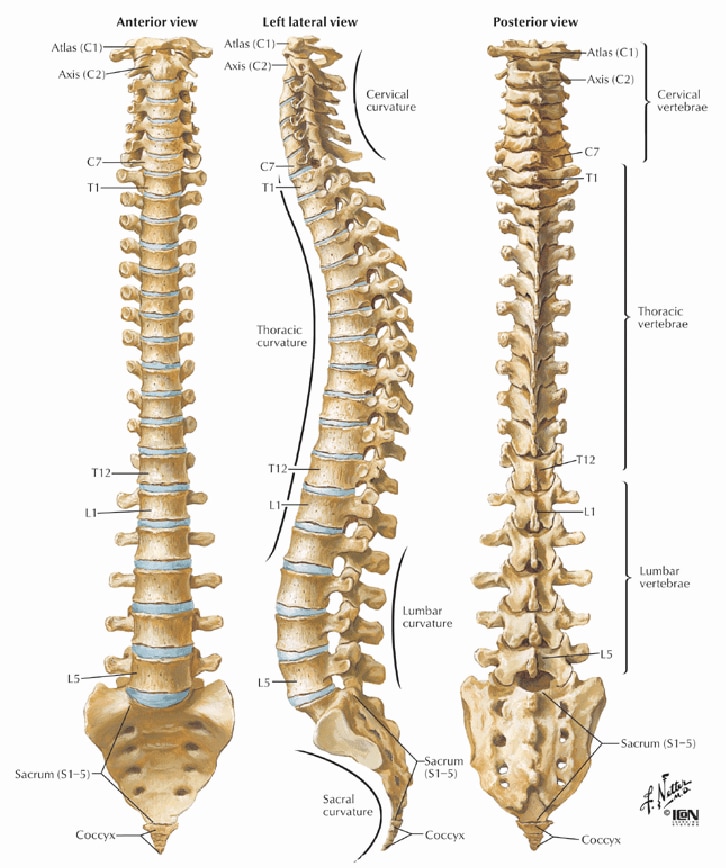 | Spine Surgery Spine Surgeon in Pune Dr. Dilip S. Kiyawat works as Neurosurgeon at Jehangir Hospital, Pune, Maharashtra, India. He completed his M.Ch.(Neuro). View product → |
Brain Surgeon Here are numerous types of brain surgery. The type used is based on the area of the brain and the condition being treated. View product → |
How can you choose the right surgeon and judge whether the expected benefit is credible?
A credible recommendation rests on checkable evidence, not the label “best neurosurgeon for spine surgery.” Verify registration with the relevant medical council and recognised specialist training, then ask about experience with your specific pathology and proposed operation.
Neurosurgeons and orthopaedic spine surgeons can both practise spinal surgery; compare their experience with your condition, not their job title.
| Check | What to verify | Why it matters |
|---|---|---|
| Registration and training | Medical-council registration and recognised specialist spine training | Confirms an appropriate clinical pathway |
| Specific experience | Experience treating your diagnosis with the proposed procedure | Technique and judgment depend on the pathology |
| Hospital capability | Emergency neurological assessment, MRI or CT access, operating facilities, intensive care and rehabilitation | Unstable conditions and complications need rapid support |
| Communication and follow-up | Alternatives, complications, recovery limits and structured postoperative reviews | You can judge trade-offs and address problems early |
- Which symptom is surgery expected to improve, and which symptoms may remain?
- Why is decompression alone proposed, or why is fusion needed?
- What non-operative option remains, and what happens if treatment is delayed?
- Is a second opinion appropriate?
- Does the diagnosis, neurological examination, matching imaging, functional effect and response to treatment support this recommendation? Reputation alone cannot establish that surgery will help.
Frequently asked questions
What benefit is spine surgery intended to provide for each condition?
The intended benefit depends on the problem: surgery can relieve a compressed nerve, protect the spinal cord, correct deformity, restore space, or stabilise an unsafe spinal segment.
Which spine surgery option fits the diagnosed problem?
The diagnosis determines the procedure. Nerve compression may require decompression, instability may require fusion, and deformity or fracture may need reconstruction and stabilisation.
When is surgery the wrong choice, even when an MRI shows a problem?
Surgery is the wrong choice when the MRI finding does not match your symptoms or examination, or when appropriate non-surgical treatment has not been tried.
When should you seek a spinal neurosurgeon consultation?
Seek consultation for progressive weakness, loss of coordination, bowel or bladder changes, severe persistent pain, or symptoms that fail to improve with appropriate treatment.
What happens during a spinal neurosurgeon consultation?
The surgeon reviews your symptoms, medical history, neurological examination, and scans before explaining diagnosis, treatment alternatives, expected benefits, risks, and recovery.
Related items
 | Brain Surgery ₹1200 Brain tumours are abnormal growths of cells within the brain or the surrounding structures. View service → |
 | Brain Surgeon in Pune Surgery of the Brain is one of the most specialized and delicate branch in the field of medicine . View product → |
 | Spine Surgery Prolapsed Lumbar Intervertebral Disc- Medical management The prolapsed lumbar intervertebral disc also referred to as slipped disc, sciatica, or just... View product → |
| TUMOR & CANCERS Brain Tumor & Cancer An Cerebral aneurysm or intracranial aneurysm is when the internal walls of the artery through which the blood flows in the brain becomes thin and... |