Brief electric-shock attacks on one side of the face can indicate trigeminal neuralgia, but constant facial pain, dental disease, jaw disorders, and other nerve conditions need a different assessment. You will learn how diagnosis is confirmed, when surgery is reasonable, how procedures differ, and what to verify before choosing a surgeon.
Key takeaways
- Electric-shock facial pain triggered by touch, chewing, or brushing needs specialist assessment.
- MRI helps check for blood-vessel contact and other causes of facial pain.
- Treatment options include microvascular decompression, radiosurgery, and nerve procedures.
- Ask about surgical experience, expected benefits, risks, recovery, and alternatives.
Does your facial pain match trigeminal neuralgia?
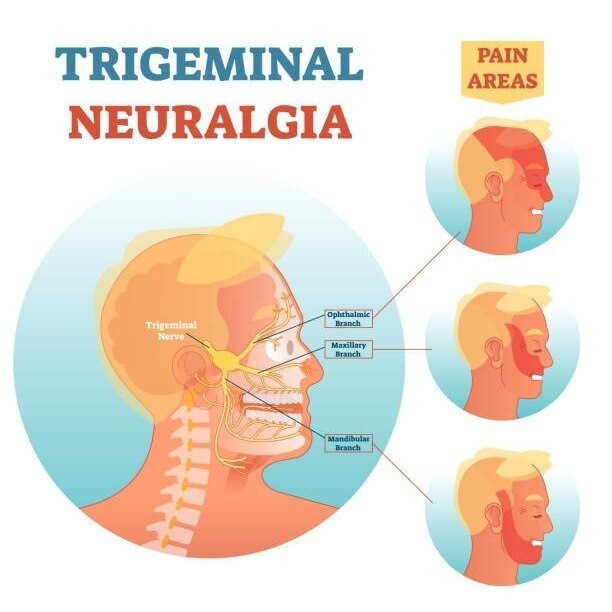
Trigeminal neuralgia usually causes sudden, severe, electric-shock or stabbing pain on one side of the face. Each attack lasts from a fraction of a second to about two minutes, then stops, although repeated attacks can cluster over hours. Touching the cheek, brushing teeth, shaving, eating, speaking, or a cool breeze can trigger it.
The pain follows one or more branches of the trigeminal nerve, commonly the cheek and upper lip, jaw, or forehead. It is not pain from the facial nerve, which controls facial movement.
“Facial nerve pain treatment” and “trigeminal neuralgia surgical treatment surgeon” are common search terms, but a clinician must identify the nerve and cause before discussing surgery.
Pain that stays constant, aches in the jaw, or follows a tooth, sinus, eye, jaw-joint, shingles, or other nerve problem needs a different assessment. Persistent pain after a procedure is not automatically recurrent trigeminal neuralgia.
Seek urgent medical care for facial pain with:
- New facial drooping, arm or leg weakness, confusion, or trouble speaking
- New numbness, double vision, vision loss, or severe eye pain
- Fever, facial swelling, rash or blisters, or a painful red eye
- A sudden severe headache, persistent vomiting, or pain after head or facial trauma
A specialist assessment is particularly important when attacks repeatedly disrupt eating, sleep, or speech, or medication fails or causes intolerable effects.
How is the diagnosis confirmed before surgery?
A surgical decision starts by confirming that the pain arises from the trigeminal nerve, cranial nerve V, rather than the facial nerve, cranial nerve VII. Searches for “facial nerve pain treatment” often describe this condition inaccurately.
- History: record the exact pain map, trigger zones, attack duration, side affected, constant background pain, and changes over time.
- Neurological examination: test facial sensation, corneal reflexes, chewing strength, facial movement, hearing, limb strength, coordination, and other cranial nerves.
- Dental review: check teeth, gums, bite, jaw joint, and infection when pain could be dental or temporomandibular.
- MRI: request high-quality brain images with attention to the trigeminal nerve and cerebellopontine angle. The scan looks for multiple sclerosis, a tumour, other structural lesions, and possible blood-vessel contact. Contact alone does not prove that a vessel causes the pain.
- Medication trial: document dose, duration, benefit, and adverse effects from carbamazepine or oxcarbazepine. Poor control or intolerable effects support referral to a trigeminal neuralgia surgeon.
- Warning signs: seek prompt assessment for new numbness, weakness, facial drooping, vision change, fever, persistent headache, or pain after trauma.
A consultation should also cover alternatives, numbness, hearing risk, recurrence, recovery time, and whether general health makes surgery reasonable. Persistent constant pain requires renewed review for another neuropathic disorder rather than automatic surgery.
Which trigeminal neuralgia surgery matches your situation?
Durability, speed, nerve injury, and anaesthesia risk drive the choice. Your MRI, general health, age, previous procedures, and pain pattern matter more than the operation’s name.
| Option | Target and invasiveness | Relief, numbness, MRI, and fit |
|---|---|---|
| Microvascular decompression | Moves or cushions a contacting vessel; open posterior-fossa brain surgery. | Often rapid, durable relief without deliberately damaging the nerve. MRI showing vascular contact supports it. Best for fit patients who accept craniotomy, general anaesthesia, hearing, fluid-leak, stroke, and infection risks. |
| Stereotactic radiosurgery | Focuses radiation on the trigeminal root; no incision or craniotomy. | Relief takes weeks to months; numbness and recurrence can follow. MRI guides treatment but need not show vascular contact. Suits patients avoiding open surgery or with higher anaesthesia risk. |
| Balloon compression | A cheek needle inflates a balloon at the trigeminal ganglion. | Usually rapid relief; facial numbness is expected. MRI excludes another cause rather than selecting a vessel. Useful after recurrence or when health, age, or anaesthesia risk favours a short procedure. |
| Radiofrequency rhizotomy | A cheek needle heats selected pain fibres. | Rapid, targeted relief with a significant numbness risk. Prior procedures and the affected branch guide repeat treatment; it still requires anaesthesia or sedation. |
| Glycerol rhizolysis | A cheek needle places glycerol near the ganglion. | Relief can be quick, but recurrence and altered sensation occur. It suits patients needing a less invasive option, including after earlier treatment. |
Ask a trigeminal neuralgia surgeon to review the MRI images, not just the report, and explain why that target fits your health, age, previous procedures, and anaesthesia risk. No trigeminal neuralgia surgery guarantees permanent pain freedom.
What should you expect after brain surgery for facial pain?
Microvascular decompression usually requires several days in hospital, while needle-based procedures may allow same-day or overnight discharge. Recovery from this brain surgery for facial pain often takes several weeks; many people return to desk work after two to four weeks, but fatigue, headache, or balance symptoms can extend that period.
Facial numbness is expected after radiofrequency treatment, balloon compression, or glycerol rhizolysis because these procedures injure or compress pain fibres. Microvascular decompression aims to preserve sensation, although numbness can still occur. Reduced corneal sensation matters because you may not feel an eye injury; report redness, pain, or blurred vision promptly.
Temporary jaw weakness or chewing difficulty can require soft foods and careful eating.
Do not stop carbamazepine, oxcarbazepine, or another pain medicine suddenly. Your surgeon will taper it gradually after pain control is stable, while monitoring for returning attacks. Radiosurgery does not provide instant relief: improvement can take several weeks or months, and numbness may appear later.
No trigeminal neuralgia surgery guarantees permanent pain freedom. Recurrence can follow any procedure and may require medication, repeat treatment, or another operation.
Rare but serious complications of open surgery include:
- Hearing change or facial weakness
- Cerebrospinal-fluid leak
- Wound or deeper infection
- Stroke
- Anaesthetic problems affecting breathing, heart function, or recovery
How do you choose and prepare for a trigeminal neuralgia surgeon?
Ask to see the actual MRI images, not only the written report. Confirm whether it shows multiple sclerosis, a tumour, or another lesion, and whether a blood vessel contacts the trigeminal nerve; contact alone does not prove causation. Trigeminal neuralgia is cranial nerve V pain, not facial nerve (cranial nerve VII) pain.
Use this consultation checklist:
- Ask what structure the operation will target: the compressed nerve root entry zone, or a selected part of the nerve.
- Ask why the proposed procedure fits your age, health, MRI, medication response, and previous procedures.
- Check the surgeon’s recognised neurosurgical training and experience with this operation, including complication and recurrence discussions.
- In Pune or Pimpri-Chinchwad, confirm the hospital has MRI access, a neurosurgical operating microscope, anaesthesia support, intensive-care beds, and emergency imaging.
- Ask who will manage nausea, wound care, corneal sensation, numbness, hearing changes, and medication tapering after discharge.
| Option | Main target | Key preparation question |
|---|---|---|
| Microvascular decompression | Moves a vessel away from the nerve | Can I safely undergo open anaesthesia and recovery? |
| Radiosurgery | Creates a focused lesion on the nerve | Will delayed relief and possible numbness suit me? |
| Percutaneous treatment | Injures selected nerve fibres | What are the numbness, chewing, and recurrence risks? |
A trigeminal neuralgia surgical treatment surgeon should also explain non-surgical alternatives. Dr Dilip Kiyawat can review whether the diagnosis and evidence justify intervention. Surgery is the wrong choice when pain is controlled, the diagnosis remains uncertain, medication has not been properly tried, or operative risk outweighs likely benefit.
Frequently asked questions
Does your facial pain match trigeminal neuralgia?
Trigeminal neuralgia causes brief, severe electric-shock or stabbing pain on one side of the face. Touch, chewing, brushing teeth, shaving, speaking, or a cool breeze can trigger attacks.
How is the diagnosis confirmed before surgery?
A specialist reviews your pain pattern, examines you, considers other causes, and may order MRI to assess the trigeminal nerve and nearby blood vessels.
Which trigeminal neuralgia surgery matches your situation?
Options include microvascular decompression, stereotactic radiosurgery, balloon compression, and glycerol rhizotomy. The choice depends on your health, MRI findings, previous treatment, and priorities.
What should you expect after brain surgery for facial pain?
Recovery depends on the procedure. Ask when pain relief usually begins, how long numbness or discomfort can last, which medicines you will take, and which warning signs need urgent review.
How do you choose and prepare for a trigeminal neuralgia surgeon?
Choose a neurosurgeon who regularly evaluates trigeminal neuralgia and explains procedure-specific benefits, risks, alternatives, recovery, and follow-up. Bring your medication list, scan reports, pain diary, and previous treatment details.