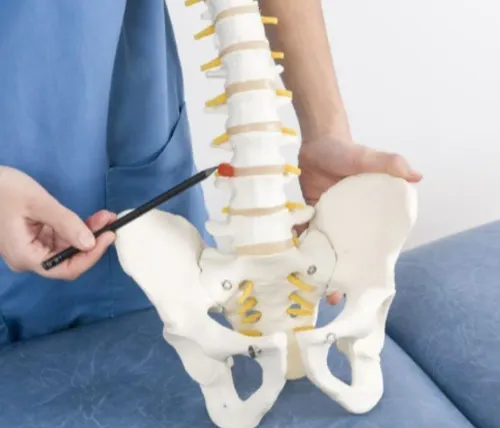

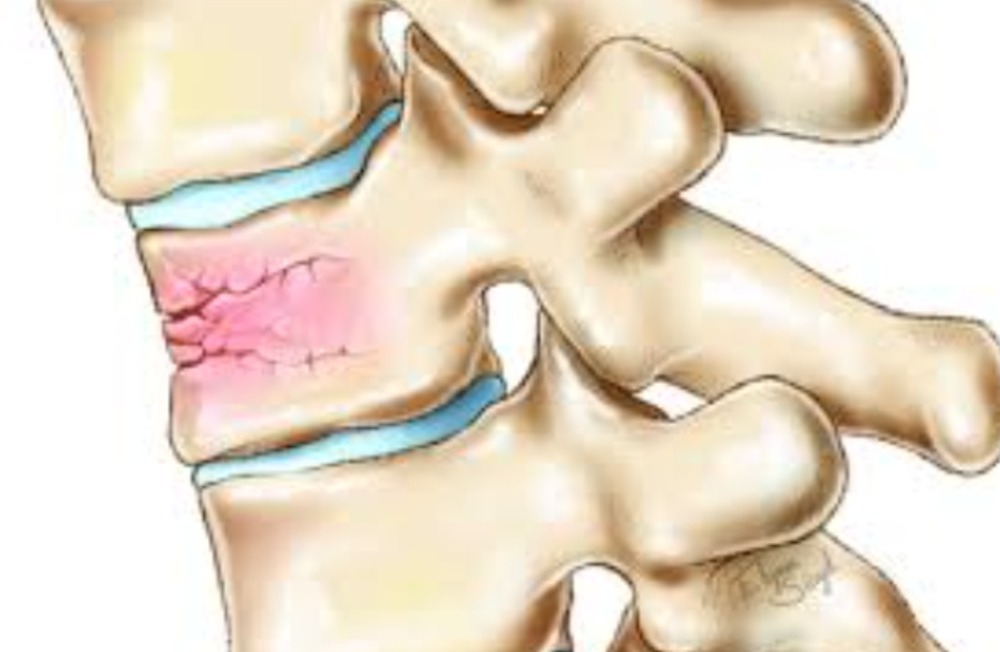
Best Spine trauma and fracture correction specialist searches usually happen after accidents, falls, or sudden injuries that disrupt normal movement and stability. Spine trauma can range from mild fractures to severe neurological complications affecting mobility, sensation, and balance. The emotional impact can also be significant because spinal injuries often create uncertainty about recovery and long-term physical function.
Road accidents, workplace injuries, sports trauma, and falls remain some of the most common causes of spinal fractures and instability. In many situations, immediate symptoms may include severe pain, restricted movement, numbness, or weakness in the limbs. Early neurological assessment becomes important because delayed treatment may increase the risk of complications involving spinal nerves and mobility.
Dr Dilip Kiyawat in Pune evaluates spine trauma and fracture correction cases with focus on spinal stability, neurological protection, and structured recovery planning. Treatment decisions usually depend on the type of fracture, spinal alignment, nerve involvement, and the patient’s overall physical condition. Not every spinal injury follows the same recovery pattern, which makes personalised assessment especially important.
Patients recovering from spine trauma often worry about whether they will regain normal movement or return to regular routines. These concerns are understandable because spinal injuries can affect both physical confidence and emotional well-being. Careful evaluation and realistic treatment planning often help families better understand recovery expectations and rehabilitation requirements.
Persistent pain, difficulty walking, numbness, or movement restriction after trauma should never be overlooked. Consulting Dr Dilip Kiyawat in Pune for spine trauma evaluation may help patients receive timely neurological assessment and better guidance regarding fracture correction and long-term spinal recovery support.