
Lumbar disc surgery is most worthwhile when a specific compressed nerve is causing disabling leg pain, weakness, or loss of function that has not improved with appropriate non-surgical care. By comparing your symptoms, examination, scan, treatment history, and urgency, you can decide whether surgery offers faster recovery or whether waiting remains reasonable.
Key takeaways
- Surgery is worth discussing when leg pain persists despite structured non-surgical treatment.
- Your MRI must match your symptoms and examination findings.
- Seek urgent assessment for new weakness, bladder changes, or loss of bowel control.
- Ask which operation fits your compression and what improvement it can realistically provide.
When does lumbar disc surgery become worth considering?
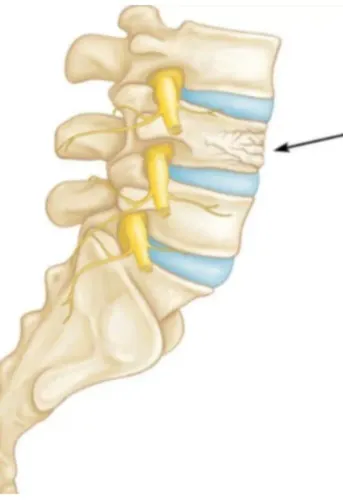
Lumbar disc surgery becomes worth discussing when disabling leg pain or nerve symptoms persist despite structured non-surgical care, and the MRI shows compression that matches your examination. The scan must explain your symptoms, not merely show an abnormal disc.
A lumbar disc surgery decision has stronger support when:
- Sciatica follows a recognisable nerve-root pattern, such as pain from the lower back through the buttock and down one leg.
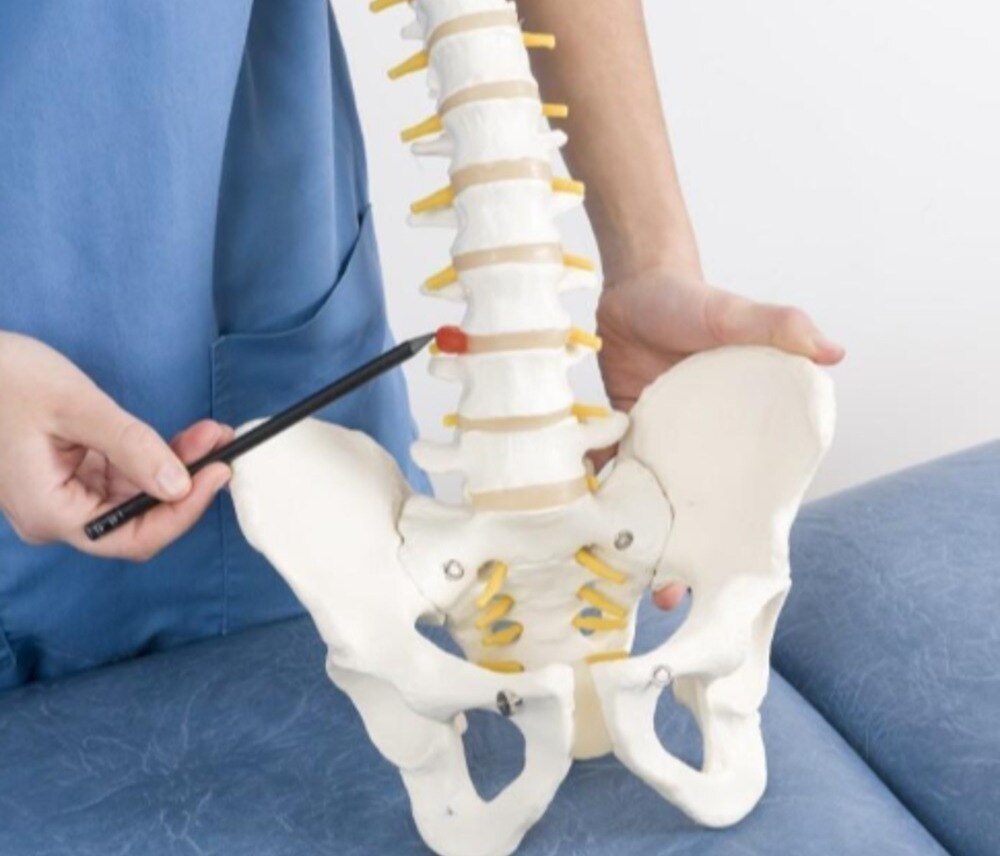
- MRI shows a herniated disc pressing on the matching nerve root at the matching level and side.
- Pain, numbness, or loss of function continues after about six weeks of appropriate care, including activity modification, physiotherapy, and prescribed pain relief.
- Foot, ankle, or leg weakness is worsening rather than remaining stable.
A disc bulge is common in people who have no pain, so an MRI report alone is not a reason to operate. Surgery is also a poor match for isolated mechanical low-back pain when there is no convincing nerve compression; removing a disc fragment will not reliably solve that problem.
A lumbar disc treatment consultation should compare the examination with the images and establish whether waiting is safe. Progressive weakness, new bladder or bowel control problems, numbness around the saddle area, or rapidly worsening weakness in both legs requires urgent assessment, not a routine discussion.
For stable symptoms, the decision balances faster relief against surgical risks and the possibility of improvement without an operation.
Should you wait for improvement or choose surgery sooner?
For uncomplicated lumbar disc herniation, give structured non-surgical care about six weeks when pain is tolerable and strength is stable. Activity modification, prescribed pain relief, walking within limits, and physiotherapy can allow the disc and irritated nerve to settle; improvement may continue over several months.
| Option | What it offers | When it applies |
|---|---|---|
| Non-surgical care | Avoids operation and allows spontaneous recovery | Leg pain is manageable, strength is stable, and function is gradually returning |
| Earlier surgery | Usually faster relief from nerve-related leg pain and quicker functional recovery | Pain remains disabling despite adequate treatment, or weakness is worsening |
| Continued waiting | Gives more time for natural improvement | Symptoms are improving and no neurological deficit is developing |
Surgery often produces greater early improvement than non-surgical care, as shown in studies such as SPORT, but non-operative patients also improved substantially. The operation does not make every MRI abnormality meaningful: the leg symptoms, examination, and matching nerve compression on imaging must agree.
Waiting becomes unreasonable when severe leg pain still prevents sleep, walking, work, or rehabilitation after roughly six weeks of appropriate care, especially when progress has stopped. Progressive foot drop or other muscle weakness needs prompt specialist assessment rather than another routine treatment cycle.
New bladder or bowel-control loss, numbness around the saddle area, or rapidly worsening weakness in both legs requires emergency assessment. Those findings change the decision from “is lumbar disc surgery worth it in Pune?” to “how quickly must the compressed nerves be protected?”
Which lumbar disc symptoms require immediate assessment?
New loss of bladder or bowel control, numbness around the genitals or inner thighs, or rapidly worsening leg weakness requires emergency assessment today, not prolonged home treatment or a routine lumbar disc treatment consultation. These signs can indicate cauda equina compression, where delayed treatment can leave lasting bladder, bowel, sexual, or leg problems.
| Symptom | What it may indicate | What to do |
|---|---|---|
| New urinary retention or incontinence | Possible cauda equina syndrome | Go to an emergency department immediately |
| Saddle numbness, rapidly worsening weakness, or weakness in both legs | Severe or progressive nerve compression | Seek urgent specialist assessment today |
| Severe back pain after a major fall, crash, or other trauma | Fracture or another spinal injury | Obtain emergency evaluation, especially if numbness or weakness is present |
| Leg pain with stable strength and no bladder, bowel, or saddle symptoms | Nerve-root irritation without an immediate emergency pattern | Arrange assessment and discuss treatment options promptly |
Do not wait for a routine scan review if neurological function is deteriorating. An MRI finding alone does not determine urgency: the examination must match the affected side, spinal level, and nerve-root pattern. Ordinary back pain without leg symptoms or neurological change usually needs planned assessment rather than emergency surgery.
What can surgery improve, and which operation might you need?
An operation is worth considering when leg pain, numbness, or weakness follows a specific nerve root, the MRI shows matching compression, and structured non-surgical care has not restored function. A lumbar disc surgery decision should not rest on the scan alone; it should weigh examination findings, symptoms, and your ability to walk, work, and sleep.
| Operation | What it does | When it applies |
|---|---|---|
| Microdiscectomy | Removes the herniated disc fragment pressing on a nerve | Focal disc herniation causing persistent sciatica or weakness |
| Decompression | Removes bone or thickened ligament to create space for the nerve | Spinal stenosis or compression from several structures |
| Fusion | Joins two vertebrae to limit movement | Proven instability or another structural problem, not routine uncomplicated disc herniation |
Microdiscectomy and decompression often improve shooting leg pain, walking tolerance, and nerve-related disability faster than continued waiting. They are less predictable for isolated low-back pain, and numbness or weakness can persist when the nerve has been compressed for a long time.
The risks include infection, bleeding, dural tear, nerve injury, anaesthetic complications, recurrent disc herniation, and continued symptoms. Fusion adds implanted hardware, longer recovery, loss of movement at the fused level, and further surgery risk.
Ask what improvement is realistic, how long recovery should take, and why the proposed operation is preferable to continued care before choosing lumbar disc surgery in Pune.
What should you ask a lumbar and cervical disc surgeon before deciding?
A sound decision starts with agreement between your symptoms, examination, and MRI—not the scan alone. Ask whether the compressed nerve matches your painful side, affected leg, reflexes, sensation, and muscle weakness. A disc bulge without this agreement is a poor reason for surgery.
1. “Is this nerve-root pain, isolated back pain, or both?” Ask what the lumbar MRI explains and what it cannot explain. Discectomy mainly targets disabling leg pain or neurological loss from compression, not every degenerative change.
2. “Could my neck be the more urgent problem?” A lumbar and cervical disc surgeon should assess arm pain, hand clumsiness, balance difficulty, brisk reflexes, and cord compression separately. Cervical spinal cord pressure can require a different operation and a different timeframe.
3. “What makes this urgent?” New urinary retention or incontinence, saddle numbness, rapidly worsening weakness, or severe symptoms after major trauma require emergency assessment, not a routine lumbar disc treatment consultation.
4. “What should I try before surgery, and what would make waiting unsafe?” Discuss activity modification, physiotherapy, pain medicines, expected recovery time, and whether weakness is stable or progressing. Routine fusion is not the default for uncomplicated disc herniation with radiculopathy.
5. “What will surgery change in my daily life?” Ask about the exact procedure, walking and work restrictions, driving, recurrence, dural tear or cerebrospinal-fluid leak, infection, nerve injury, and blood clot. Surgery may relieve leg or arm pain while leaving back or neck pain.
Dr Dilip Kiyawat can help structure these questions around your examination and imaging if you are considering lumbar disc surgery in Pune.
Related items
 | Spine Surgery Prolapsed Lumbar Intervertebral Disc- Medical management The prolapsed lumbar intervertebral disc also referred to as slipped disc, sciatica, or just... View product → |
 | Spine Surgery Dr. Dilip S. Kiyawat has wide experience in treating spinal disorders. View service → |
Frequently asked questions
When does lumbar disc surgery become worth considering?
Consider it when disabling leg pain or nerve symptoms persist despite structured non-surgical care and MRI findings match your examination.
Should you wait for improvement or choose surgery sooner?
Waiting can be reasonable when symptoms are improving and no neurological deficit exists. Earlier assessment is needed for progressive weakness or emergency warning signs.
Which lumbar disc symptoms require immediate assessment?
New or worsening leg weakness, numbness around the genitals or anus, difficulty passing urine, or loss of bowel control requires immediate assessment.
What can lumbar disc surgery improve?
Surgery primarily aims to relieve nerve-related leg pain and prevent or address nerve damage. Back pain relief is less predictable.
What should you ask a lumbar and cervical disc surgeon before deciding?
Ask which disc is compressing the nerve, which operation is proposed, expected benefits, risks, alternatives, recovery time, and the consequences of waiting.
Related product
Brain Surgeon Here are numerous types of brain surgery. The type used is based on the area of the brain and the condition being treated. View product → |