
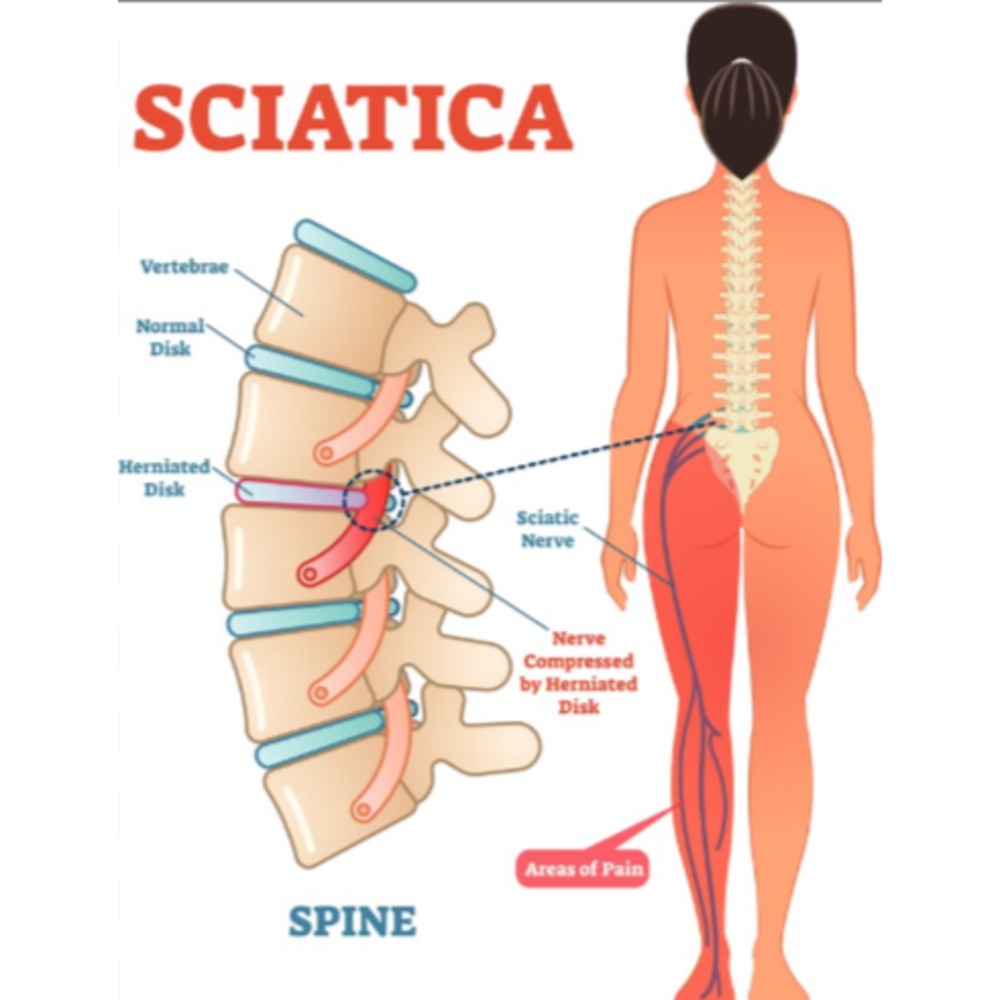
Lumbar disc and sciatica treatment becomes necessary when lower back pain begins travelling down the legs and affecting normal movement. Many patients initially ignore symptoms like tingling, numbness, or sharp radiating pain, assuming it is temporary strain from work or posture. Over time however, sciatica-related nerve compression can start interfering with walking, sitting comfortably, driving, and even sleep.
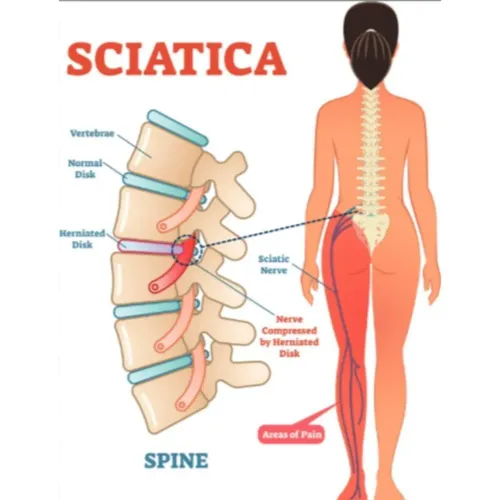
Sciatica pain usually develops when spinal discs place pressure on nearby nerves in the lower back region. Sedentary lifestyles, lifting strain, obesity, degenerative disc changes, or prolonged sitting hours can all contribute to lumbar spine problems. In cities like Pune, where desk-based work culture is increasing rapidly, lower back and nerve-related complaints are becoming far more common across younger and middle-aged adults.
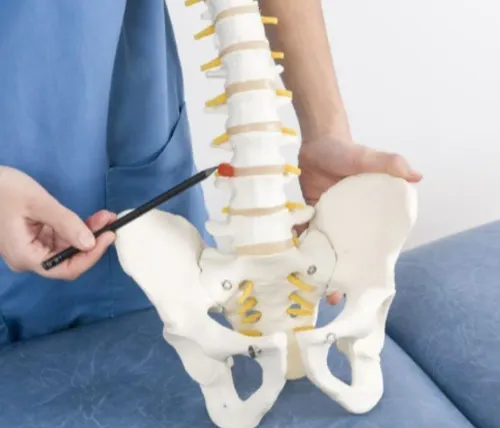
Dr Dilip Kiyawat in Pune evaluates lumbar disc conditions and sciatica symptoms through detailed neurological and spinal assessment. Not all sciatica cases require surgery, which is why identifying the severity of nerve compression becomes important before deciding treatment direction. Some patients respond well to structured conservative care, while advanced compression cases may require surgical evaluation.
Patients dealing with sciatica often describe frustration because pain may fluctuate unpredictably. Some days feel manageable, while others make even simple movement difficult. Understanding the exact spinal cause usually helps patients feel more confident about long-term management and recovery possibilities.
Ignoring persistent sciatica symptoms for long periods can sometimes increase nerve-related complications and physical discomfort. Individuals experiencing ongoing lower back pain, radiating leg pain, or numbness may consider consulting Dr Dilip Kiyawat in Pune for lumbar disc and neurological spine evaluation to understand appropriate treatment pathways.