
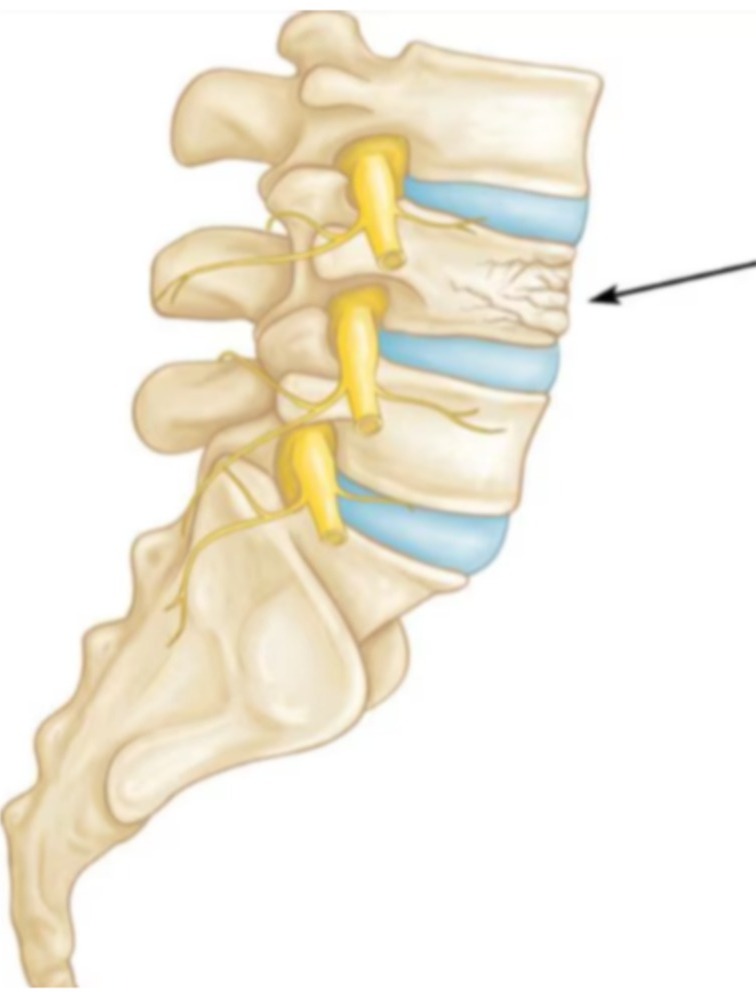
Osteoporotic spine fracture correction becomes increasingly important as age-related bone weakness begins affecting spinal stability and movement. Many elderly individuals experience gradual back pain, height reduction, stooped posture, or sudden discomfort after minor falls without realising that spinal fractures may be involved. Because symptoms are often mistaken for routine ageing, diagnosis sometimes gets delayed until mobility becomes severely affected.
Osteoporosis weakens the bones over time, making the spine more vulnerable to fractures even during simple daily activities. These fractures may lead to persistent pain, difficulty standing for long periods, and reduced confidence while walking. In some cases, untreated spinal instability can gradually affect independence and overall quality of life for elderly patients.
Dr Dilip Kiyawat in Pune evaluates osteoporotic spine fracture cases with attention to neurological safety, spinal alignment, and long-term stability. Treatment planning generally depends on fracture severity, bone condition, mobility limitations, and the patient’s overall health status. Every elderly patient requires a careful and balanced approach because recovery expectations differ significantly from younger spine cases.
Families often become concerned about whether surgery is safe at an advanced age or whether spinal stability can realistically improve. These concerns are understandable because elderly spine conditions involve both physical and emotional challenges. Proper evaluation helps determine suitable management strategies while focusing on comfort, mobility, and functional support.
Persistent back pain after falls, difficulty standing upright, or sudden posture changes in elderly individuals should not be ignored as normal ageing alone. Consulting Dr Dilip Kiyawat in Pune for osteoporotic spine fracture evaluation may help families better understand available treatment options for safer and more stable spine care.