
A brain scan does not answer every question about diagnosis, surgery, or recovery. Use the consultation to test the evidence, compare alternatives, understand the proposed operation, and decide whether the surgeon and hospital are equipped for your specific tumour.
Key takeaways
- Bring MRI images, reports, symptom history, medicines, and previous treatment records.
- Ask whether surgery is necessary or whether biopsy, radiation, or monitoring comes first.
- Compare surgeons by relevant tumour experience, proposed approach, risks, and follow-up care.
- Request the pathology plan, recovery timeline, warning signs, and next treatment steps.
What should you take to a brain tumour consultation, and what should you ask about the diagnosis?
A scan can show a suspected tumour, not a confirmed diagnosis. MRI with contrast maps the lesion’s location, size, swelling, blood-vessel involvement, and proximity to functional brain areas, but it cannot always establish tumour type or grade. Bring these records to a brain tumor surgery consultation in Pune:
- MRI images in DICOM format on a disc or through cloud access, plus the MRI report
- CT scans and earlier brain scans
- Pathology reports, pathology slides, or tissue blocks, if available
- Previous treatment notes
- A complete medication list, including doses
- Your seizure history and relevant blood-test results
Ask, “What is the likely diagnosis, and what evidence supports it?” The answer should explain the MRI pattern, tumour location and size, swelling, blood-vessel or functional-area involvement, and the main alternative diagnoses.
Ask for the suspected tumour type and grade, and whether tissue is needed through stereotactic biopsy or surgical removal. Ask how microscopic examination and molecular findings, including IDH mutation, 1p/19q codeletion, and MGMT promoter methylation, will establish the final diagnosis.
Ask when final histopathology and molecular testing will be available and how each result could change treatment. During a neurosurgical consultation in Pune, confirm whether the current scan represents suspicion only or a confirmed diagnosis based on tissue.
When is surgery necessary, and when is another treatment the better first step?
Immediate open surgery is appropriate only when its expected benefit outweighs the neurological risk. Ask what symptoms, growth pattern, tumour biology, size, location, swelling, or pressure effects support the recommendation.
Ask these questions during your brain tumor surgery consultation in Pune:
- Is the goal diagnosis, maximum safe resection, pressure relief, seizure control, symptom relief, or a combination?
- Would observation with serial MRI, stereotactic biopsy, radiation therapy, chemotherapy, targeted therapy, or combined treatment be safer?
- Is the lesion deep, near language, movement, vision, memory, or major blood-vessel structures?
- What happens if complete removal is unsafe?
- Would molecular testing change the recommendation after tissue is obtained?
| Option | Expected benefit | Main trade-off | Follow-up |
|---|---|---|---|
| Observation with serial MRI | Avoids immediate procedure | Growth can delay treatment | Scheduled MRI comparisons |
| Stereotactic biopsy | Establishes tumour type and molecular profile | Samples tissue without removing pressure | Treatment follows the integrated diagnosis |
| Craniotomy | Provides tissue and maximum safe removal | Neurological, bleeding, seizure, and anaesthetic risks | Postoperative MRI and pathology review |
| Radiation or drug treatment | Treats selected tumours without open surgery | Response can take time and side effects require monitoring | Repeat imaging and oncology review |
Maximum safe resection means stopping before permanent injury, not removing tumour at any cost. Request a clear comparison of benefit, delay, neurological risk, and follow-up for every option, including how pathology and molecular results will guide treatment.
Seek a second opinion if surgery is presented as the only option, the diagnosis remains uncertain, or the consultation omits those comparisons. Review brain tumor surgery details with a specialist before consenting.
How do you compare an experienced brain surgeon in Pune with another specialist?
Compare an experienced brain surgeon in Pune by matching the surgeon’s case experience to your tumour’s anatomy and proposed operation, not by years in practice, an online label, or a claim to be “the best.” If your search began with “well experienced neurosurgeon brain tumor surgery for questions in pune,” use it to build specific questions instead of choosing a profile.
| What to compare | Ask directly | Why it matters |
|---|---|---|
| Relevant operations | How many tumours like mine, in this location, have you operated on? | Deep, eloquent-area, skull-base, recurrent, and blood-vessel-adjacent tumours require different experience |
| Technique | How often do you use awake craniotomy, intraoperative mapping, neuro-navigation, neurophysiological monitoring, or stereotactic biopsy? | The proposed technique must fit the functional risks and diagnostic goal |
| Team and hospital | Who will operate, provide neuro-anaesthesia, and manage critical care? Which hospital will host it? | The named surgeon and supporting team affect safety and continuity |
| Specialist support | Are neuro-intensive care, neuroradiology, neuropathology, radiation oncology, medical oncology, and rehabilitation available? | Surgery may be only one part of treatment |
Ask how difficult cases are reviewed and whether a multidisciplinary neuro-oncology discussion is available. Compare the answers, proposed plan, hospital resources, and communication quality when assessing Dr Dilip Kiyawat or another surgeon.
Relevant experience means experience with the anatomy and operation you need. A surgeon who treats many brain tumours may not perform many operations for your tumour’s exact location or technique.
Related services
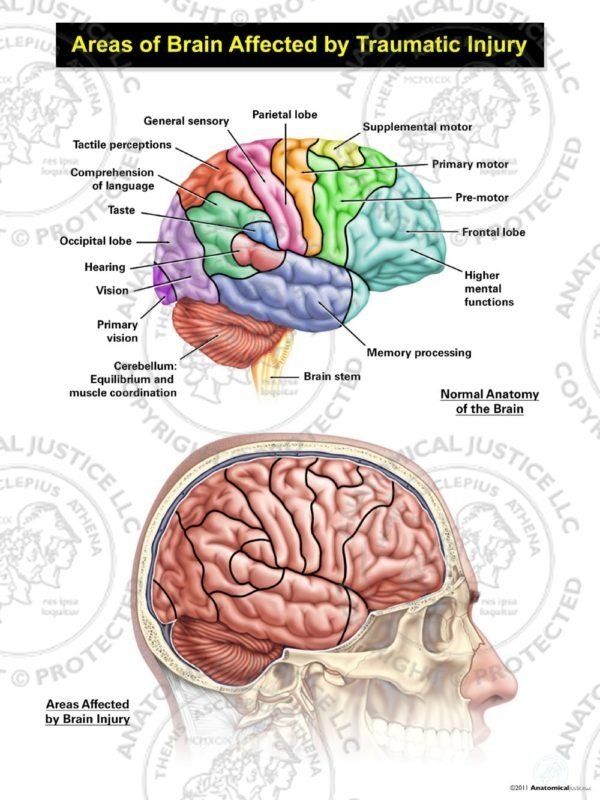 | Treatment of Head injury ₹1200 Management of head injuries 1. Extensive scalp laceration- . The bleeding is controlled by suturing the scalp. . View service → |
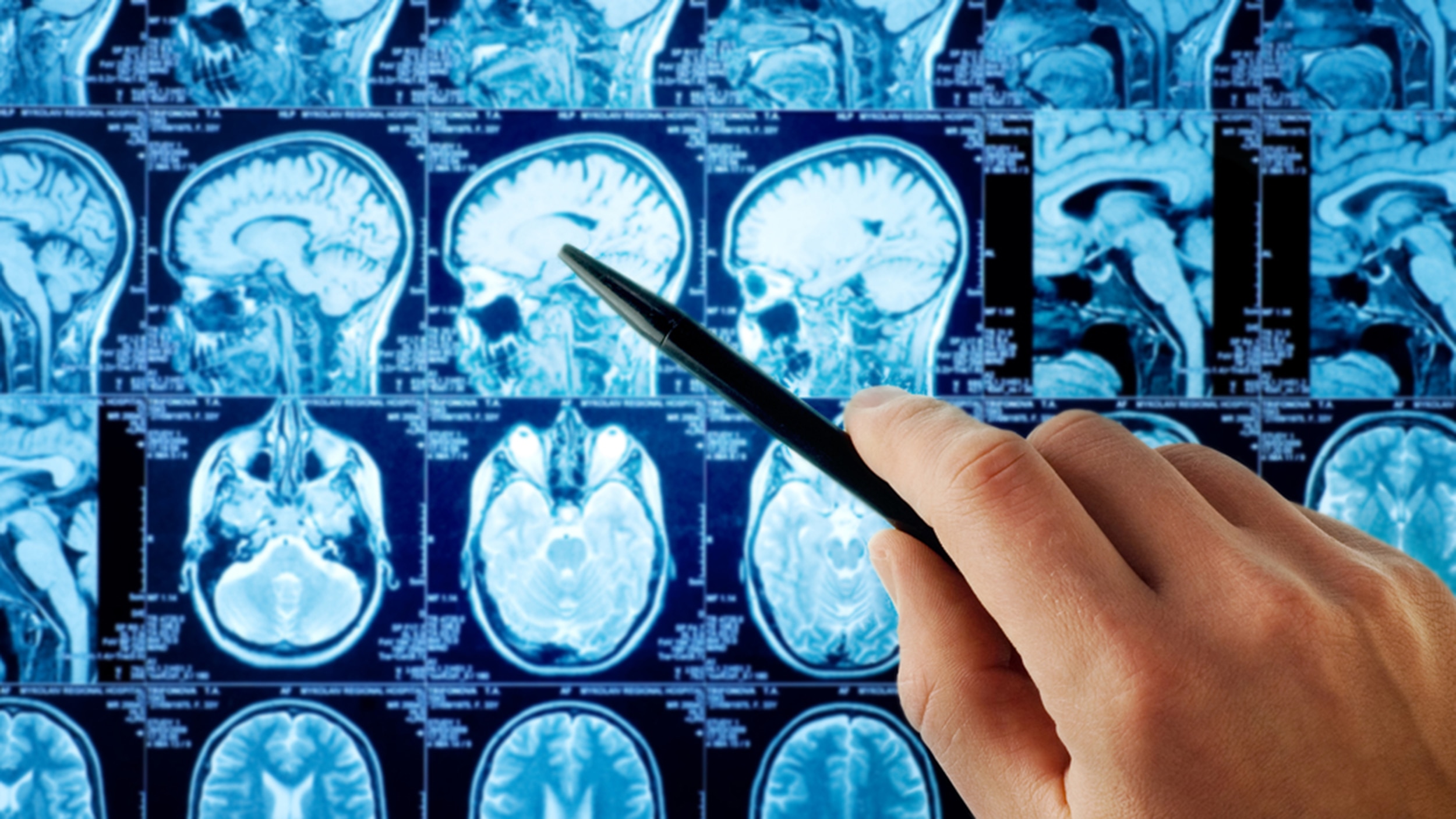 | Brain Surgery ₹1200 Brain tumours are abnormal growths of cells within the brain or the surrounding structures. View service → |
What should the proposed brain tumour operation involve, and what risks apply to you?
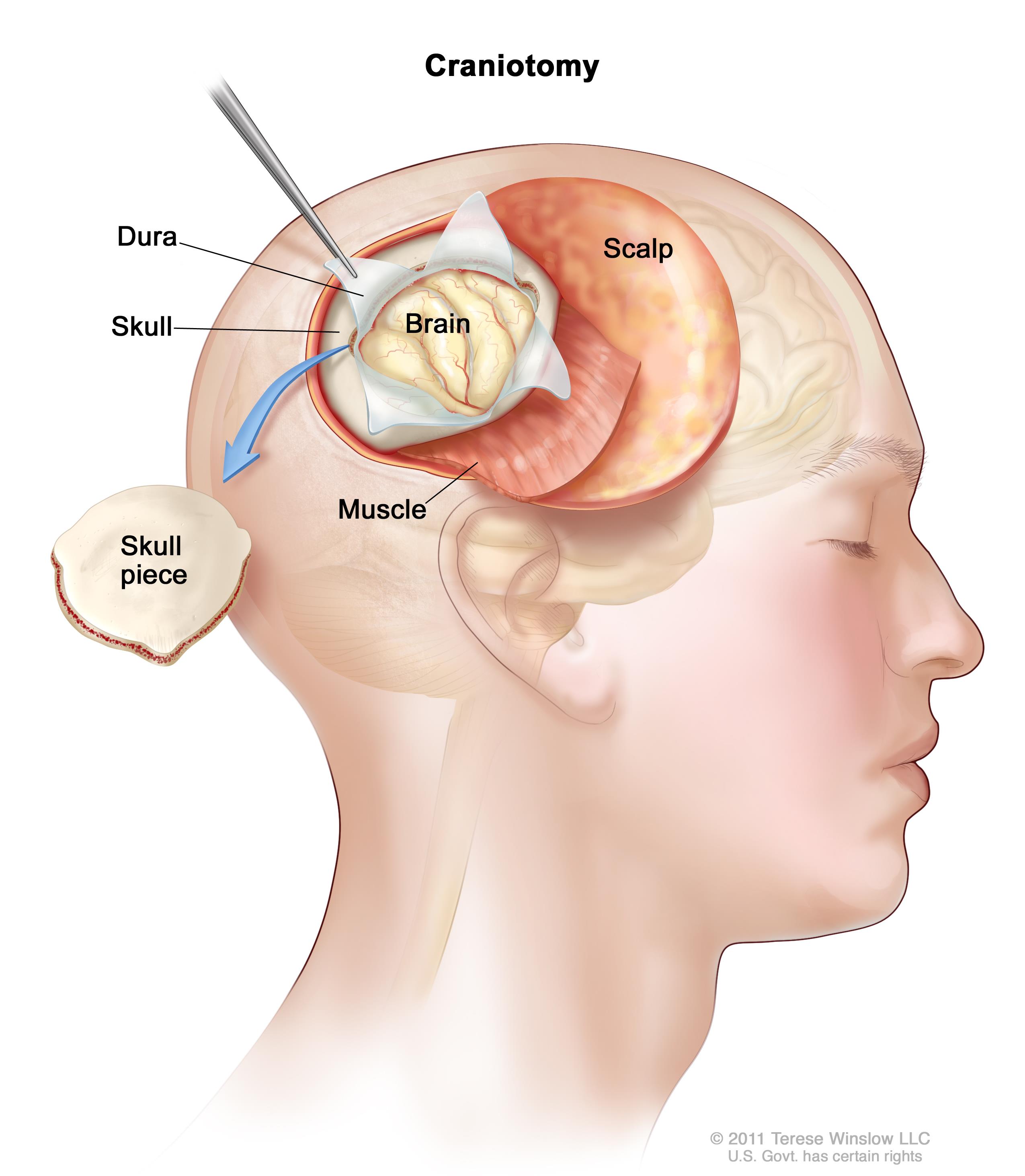
The operation should have a defined goal: biopsy, maximum safe resection, or symptom relief. Ask why you need a craniotomy rather than a stereotactic biopsy, how long the operation should take, and what happens if complete removal threatens important brain function.
| Option | What it involves | Main purpose |
|---|---|---|
| Craniotomy | Opening the skull to obtain tissue and remove accessible tumour | Resection, pressure relief, or tissue diagnosis |
| Stereotactic biopsy | Using image guidance to remove small tissue samples through a small opening | Diagnosis when removal is unsafe |
| Maximum safe resection | Removing as much tumour as possible without causing unacceptable neurological injury | Tumour reduction while preserving function |
Ask how functional MRI, neuro-navigation, intraoperative mapping, neurophysiological monitoring, frozen-section analysis, or awake craniotomy will guide decisions. These tools support planning; they do not make surgery risk-free.
Your risk explanation should match the lesion’s anatomy and biology. Ask specifically about:
- Weakness from a tumour near movement pathways
- Speech or language difficulty near language areas
- Vision loss or field changes near visual pathways
- Memory or concentration problems near memory networks
- Seizures, bleeding, stroke, swelling, infection, cerebrospinal-fluid leak, blood clots, anaesthetic complications, and another procedure
Ask, “What is my risk of a permanent deficit, in plain language?” Also ask what the team will do if removal becomes unsafe. The brain tumor surgery details should be explained by an experienced brain surgeon in Pune who can connect each risk to your scan, not quote one universal percentage.
What should you ask about recovery, pathology, and treatment after surgery?
Before leaving a neurosurgical consultation in Pune, ask exactly what recovery will require. In a brain tumor surgery consultation in Pune, request clear answers about:
- Expected intensive-care and total hospital stay
- Timing of the postoperative MRI and what it will assess
- Wound care, bathing, dressing changes, and suture or staple removal
- Rehabilitation for weakness, speech, balance, memory, or daily activities
- Driving, work restrictions, and seizure precautions
- The first follow-up appointment and the timetable for later reviews
Ask when final histopathology and molecular testing will be ready, and who will explain the integrated diagnosis. The specimen can take several days or longer.
| Integrated diagnosis | Possible next step |
|---|---|
| Surveillance plan after lower-risk findings | Scheduled MRI monitoring |
| Residual or aggressive tumour | Radiotherapy, chemotherapy, or both |
| Actionable molecular alteration | Targeted therapy |
| Selected recurrent or specific tumours | Tumour-treating fields |
Ask whether steroids are needed, who will taper them, and which symptoms need urgent review. Steroids can raise blood glucose, increase infection risk, disturb sleep and mood, weaken muscles, and cause stomach problems. Do not stop them without instructions.
Ask why an anti-seizure medicine is prescribed and how long it is planned; it is not automatically required indefinitely after every operation. Seek emergency care for worsening weakness, confusion, severe headache, repeated vomiting, a seizure, fever, wound discharge, or clear fluid from the wound or nose.
Frequently asked questions
What should you take to a brain tumour consultation in Pune?
Take MRI or CT images on a disc or portal, written reports, symptom history, medicine and allergy lists, previous operation or biopsy records, and details of other medical conditions.
What should you ask about a suspected brain tumour diagnosis?
Ask where the lesion is located, its size and effect on nearby brain structures, whether swelling or blood-vessel involvement is present, which diagnosis is suspected, and whether tissue testing is required to confirm tumour type and grade.
When is brain tumour surgery necessary?
Surgery may be recommended to remove a tumour causing pressure or neurological symptoms, obtain tissue for diagnosis, or reduce tumour burden. Ask why surgery is preferred over monitoring, biopsy, radiation, chemotherapy, or a combined plan in your case.
How do you compare an experienced brain surgeon in Pune with another specialist?
Compare experience with your tumour location and type, the proposed surgical route, expected benefits, complication risks, hospital support, pathology arrangements, and follow-up plan rather than relying only on years in practice.
What should you ask about brain tumour surgery details and risks?
Ask about the operation’s purpose, anaesthesia, surgical access, expected extent of removal, monitoring of speech or movement, possible need for intensive care, and risks such as bleeding, infection, seizures, swelling, or neurological weakness.
Related items
| TUMOR & CANCERS Brain Tumor & Cancer An Cerebral aneurysm or intracranial aneurysm is when the internal walls of the artery through which the blood flows in the brain becomes thin and... |
Brain Surgeon Here are numerous types of brain surgery. The type used is based on the area of the brain and the condition being treated. View product → |
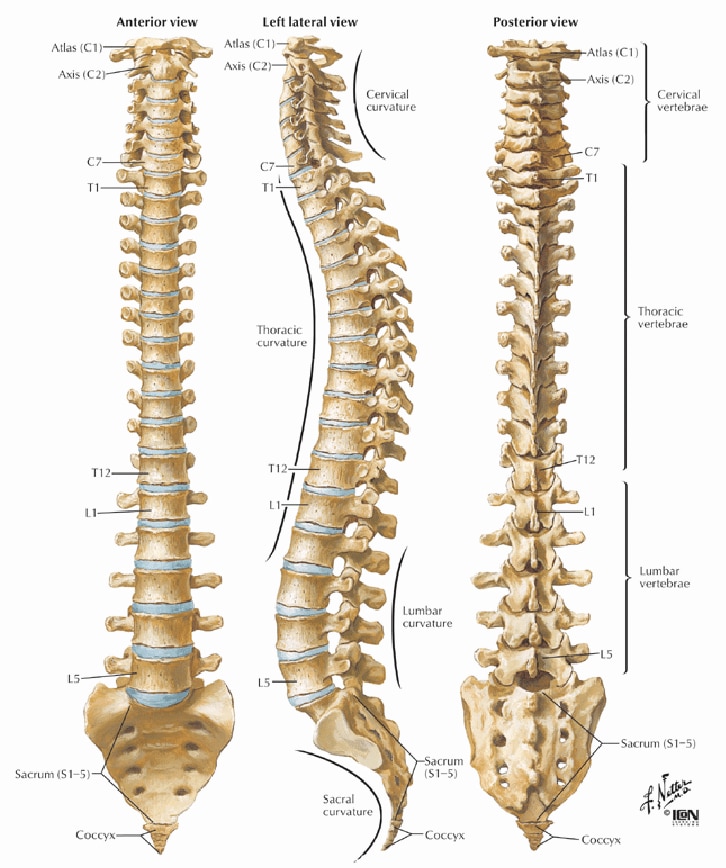 | Spine Surgery Dr. Dilip S. Kiyawat has wide experience in treating spinal disorders. View service → |
 | Types of brain tumours- Primary brain tumors are tumors that originate in the brain itself, as opposed to secondary tumors that spread to the brain... View service → |