Back pain that returns after days, weeks, or months needs more than another round of rest: the pattern, neurological findings, and response to treatment determine whether the cause is a lumbar nerve problem or something else. You will learn how to assess a flare, recognise urgent warning signs, choose sensible treatment steps, and know when specialist review or surgery deserves consideration.
Key takeaways
- Pain below the buttock suggests nerve-root irritation rather than ordinary muscle strain.
- Track pain location, numbness, weakness, triggers, and recovery between flare-ups.
- Use stepwise lumbar disc treatment before considering surgery when no urgent warning signs exist.
- Seek urgent review for new bladder or bowel problems, saddle numbness, or worsening weakness.
Is recurring sciatica really coming from a lumbar disc?
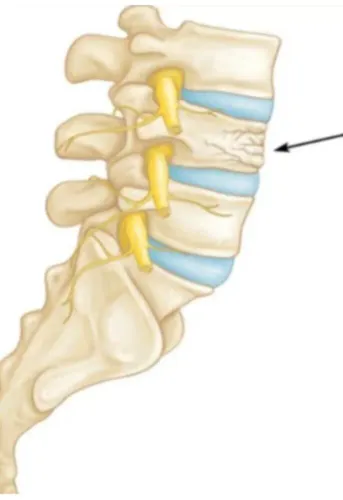
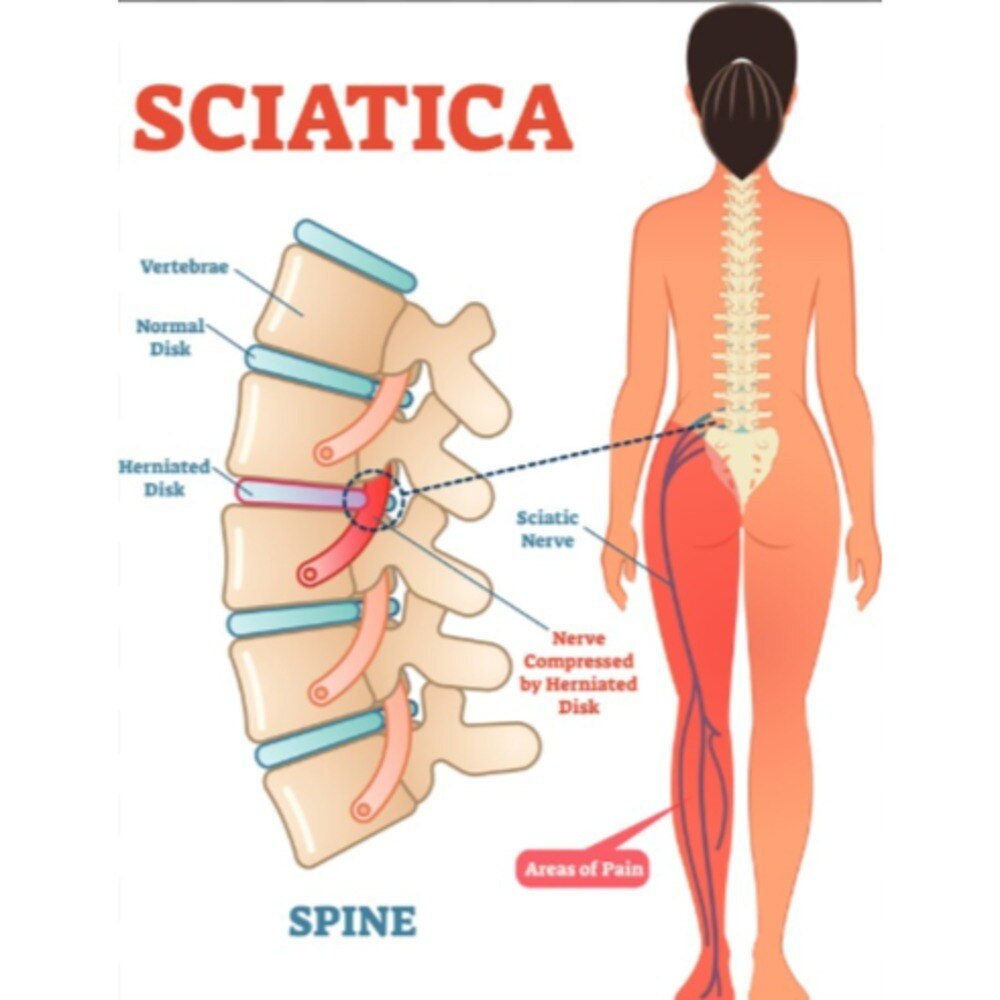
Pain that travels below the buttock into the thigh, calf, or foot points more strongly to lumbar nerve-root irritation than to ordinary muscle strain. A herniated lumbar disc can compress or inflame a nerve root, causing burning or electric pain, numbness, weakness, or altered reflexes.
Recurring back pain alone does not prove that the disc has re-herniated.
- Muscle strain usually causes local aching across the back, tenderness, and pain with movement, without numbness, reflex loss, or true leg weakness.
- Sacroiliac pain is usually felt beside the lower spine or in one buttock; it does not follow a consistent nerve-root strip into the foot.
- Spinal stenosis causes leg heaviness, tingling, or pain after standing or walking that improves when you sit or bend forward. A disc flare often worsens with coughing, sneezing, or straining.
- Hip disease commonly produces groin pain, reduced hip rotation, or difficulty putting on socks; hip movement reproduces the pain.
- A peripheral nerve problem affects a more limited area, such as the outer foot or top of the hand, rather than matching a spinal root pattern.
MRI cannot settle this by itself: disc bulges are common without symptoms. After previous surgery, recurrent disc material, scar tissue, narrowing, infection, fracture, or a non-spinal problem require examination and sometimes contrast-enhanced MRI. Seek urgent assessment for new bladder or bowel difficulty, saddle numbness, progressive weakness, foot drop, fever, cancer history, or major trauma.
Any lumbar disc and sciatica treatment plan should match symptoms, neurological findings, and imaging—not the scan alone.
What does the pattern of repeated pain tell you?
Track what happens between episodes: it tells you more than the pain score alone. A flare that fully settles, leaves normal walking, and causes no numbness or weakness differs from recurring back pain that lasts longer each time, follows shorter walking distances, or adds neurological symptoms.
A new flare does not prove re-herniation; nerve-root irritation, stenosis, facet or sacroiliac pain, deconditioning, or another disc level can feel similar.
| Pattern | What it may indicate | What to monitor |
|---|---|---|
| Pain-free intervals with full function | Irritation that settles between episodes | Trigger, duration, walking ability |
| Episodes becoming longer or closer together | Ongoing nerve or mechanical problem | Pain distribution, numbness, weakness |
| Leg pain returning after walking or standing | Nerve compression or spinal stenosis | Walking distance and relief when sitting |
| Back pain without leg symptoms | Muscle, facet, sacroiliac, or disc-related pain | Movement triggers and tenderness |
During a flare, stop heavy lifting and repeated bending, change position regularly, take medicines only as prescribed or labelled, and continue short, tolerable walks rather than prolonged bed rest. Record when it began, where pain travels, and any change in sensation, strength, reflexes, or gait. Arrange reassessment if it fails to settle or keeps returning.
Seek urgent assessment for:
- New bladder difficulty, loss of bowel control, or saddle numbness
- Progressive leg weakness or foot drop
- Fever, a history of cancer, or major trauma with new pain
What should stepwise lumbar disc treatment include?
Start with movement, symptom control, and monitoring rather than bed rest or immediate surgery. For most episodes without progressive weakness, bladder or bowel changes, saddle numbness, fever, major trauma, or cancer history, lumbar disc treatment can progress through these steps:
- Stay active within your limits. Take short walks, change position regularly, and avoid prolonged bed rest, heavy lifting, and movements that sharply worsen leg pain.
- Use clinician-advised medicines for a limited period. An anti-inflammatory such as ibuprofen is not suitable for everyone, particularly with stomach ulcers, kidney disease, blood-thinning treatment, or pregnancy; ask before taking it.
- Begin exercise-based rehabilitation once severe pain settles. A physiotherapist can address trunk strength, hip movement, nerve sensitivity, lifting technique, and a gradual return to walking, work, or sport.
- Review progress if pain or disability persists, returns repeatedly, or limits walking. The assessment should record pain distribution, strength, reflexes, sensation, gait, and nerve-tension signs, not just an MRI report.
- Consider an epidural local anaesthetic plus steroid only after clinical review for acute, severe sciatica treatment. It may reduce leg pain temporarily; it does not remove a disc protrusion or guarantee that surgery will be avoided.
- Seek surgical review when symptoms match nerve-root compression, imaging shows the matching lesion, and non-surgical care has not restored function. Progressive motor weakness or foot drop increases urgency; MRI abnormalities alone do not justify discectomy.
When do MRI findings justify specialist or surgical review?
MRI is useful when serious disease is suspected, symptoms persist despite appropriate non-surgical treatment, or the result could change management, such as planning an operation. Routine immediate MRI is not needed for uncomplicated sciatica that is improving.
An abnormal disc does not automatically explain your pain or require surgery. Disc bulges and degeneration are common in people without symptoms, so the scan must match pain radiating below the buttock, the affected nerve-root pattern, and examination findings.
A recurrent pain flare can also come from stenosis, scar tissue, a different disc level, or a non-spinal problem.
Seek a recurrent sciatica specialist review when:
- Leg pain, numbness, or reduced walking ability continues after a structured course of treatment, or keeps returning and limits work, sleep, or daily activity.
- Examination shows reduced strength, altered sensation, a changed reflex, abnormal gait, or a positive nerve-tension sign that matches the MRI level.
- Weakness is progressing, or you develop foot drop. New bladder or bowel difficulty, saddle numbness, fever, major trauma, or a cancer history requires urgent assessment.
- Symptoms return after discectomy. Updated MRI may need contrast to distinguish recurrent disc material from epidural scar tissue; the assessment must also consider foraminal stenosis, infection, fracture, adjacent-level disease, and hip or nerve disorders.
A lumbar disc surgery consultation becomes reasonable when matching nerve compression causes persistent functional pain or neurological loss despite non-surgical care. In a consultation with Dr Dilip Kiyawat, the decision should rest on the examination, symptom course, and imaging together—not the scan alone.
Related services
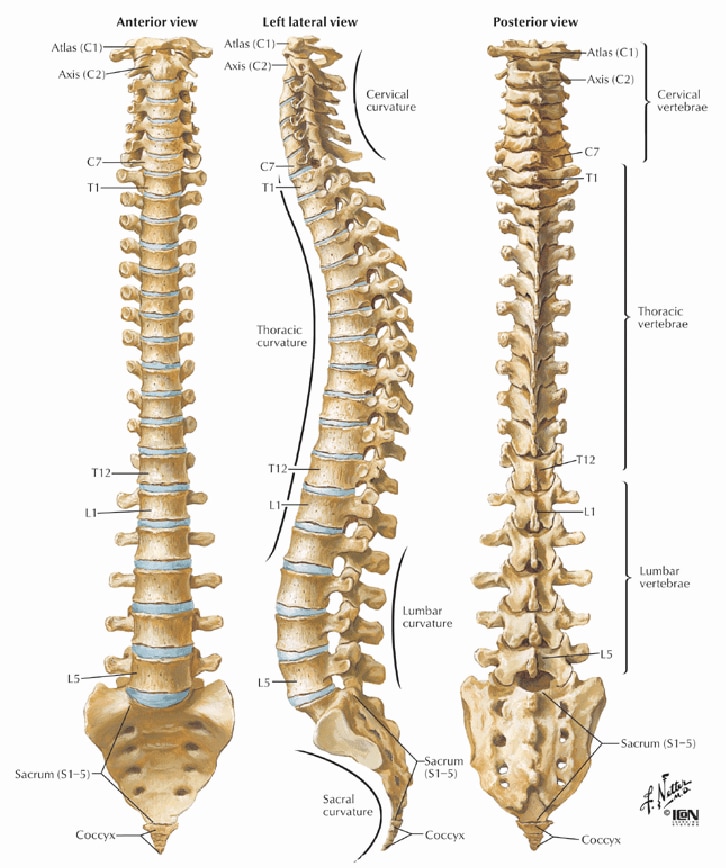 | Spine Surgery Dr. Dilip S. Kiyawat has wide experience in treating spinal disorders. View service → |
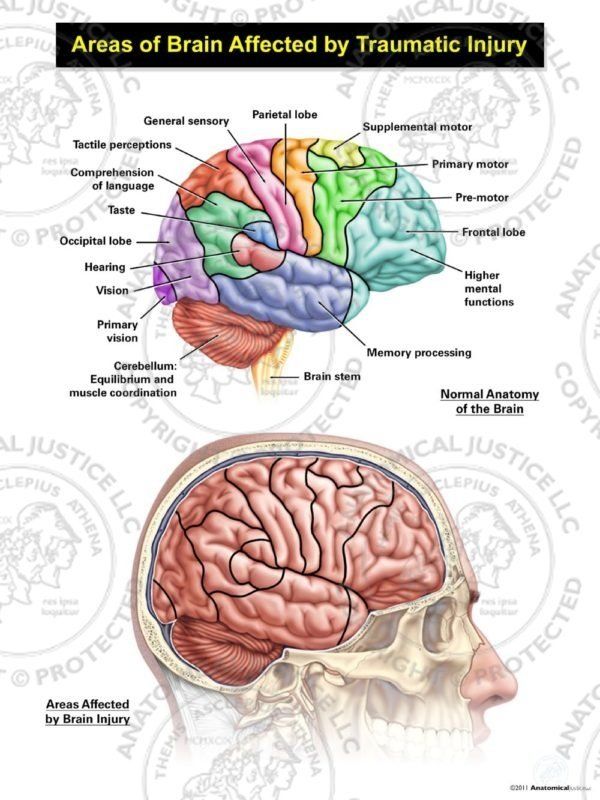 | Treatment of Head injury ₹1200 Management of head injuries 1. Extensive scalp laceration- . The bleeding is controlled by suturing the scalp. . View service → |
How should you prepare for a decision about recurrent symptoms?
Bring a symptom timeline and your previous scan and operation reports; the decision depends on matching your current nerve symptoms with examination findings and a corresponding lesion, not on an MRI abnormality alone.
1. Record which leg hurts, whether pain travels below the buttock, and the duration of each flare. Note numbness, weakness, foot slapping, walking distance, positions that worsen or relieve symptoms, and what rehabilitation or medicines changed.
2. Ask for strength, reflex, sensation, gait, and nerve-tension testing. Progressive weakness, foot drop, or a clear loss of function increases the urgency of surgical review more than severe pain alone.
3. Bring details of previous discectomy, including level and side, symptom-free intervals, and operative reports. Recurrent disc material must be distinguished from epidural scar tissue, foraminal stenosis, adjacent-level disease, infection, fracture, or hip and peripheral-nerve problems.
4. Review MRI images with the report. After surgery, contrast-enhanced MRI can help separate recurrent disc from postoperative fibrosis when the diagnosis is uncertain; the scan must match the painful side and examination.
Continued rehabilitation suits symptoms that are improving without neurological loss. An injection can help confirm or reduce nerve-root inflammation when pain blocks rehabilitation. Repeat discectomy or another operation becomes more reasonable when matched compression persists despite non-surgical care, function remains poor, or weakness progresses.
This evidence-based sciatica treatment plan makes lumbar disc treatment a decision, not an automatic response to a scan.
Frequently asked questions
Is recurring sciatica really coming from a lumbar disc?
Pain travelling below the buttock into the thigh, calf, or foot fits lumbar nerve-root irritation. A herniated disc is one possible cause, so examination is needed to distinguish it from spinal stenosis, joint disease, or other conditions.
What does the pattern of repeated pain tell you?
Record where the pain travels, whether numbness or weakness occurs, what triggers each flare, and how fully you recover. Repeated episodes with progressive weakness or shorter pain-free periods deserve specialist assessment.
What should stepwise lumbar disc treatment include?
Treatment usually starts with clinical assessment, activity guidance, suitable pain relief, and physiotherapy focused on movement and strength. A specialist can discuss injections or surgery when symptoms persist, recur with functional loss, or cause neurological deterioration.
When do MRI findings justify specialist or surgical review?
MRI findings matter when they match your symptoms and examination. Specialist or surgical review is important for progressive weakness, severe persistent leg pain despite non-surgical care, or emergency symptoms such as bladder or bowel changes and saddle numbness.
How should you prepare for a decision about recurrent symptoms?
Bring your symptom timeline, previous scan reports, treatment list, medication response, physiotherapy records, and details of numbness or weakness. Ask which finding explains your symptoms, what happens if you wait, and what each treatment aims to improve.